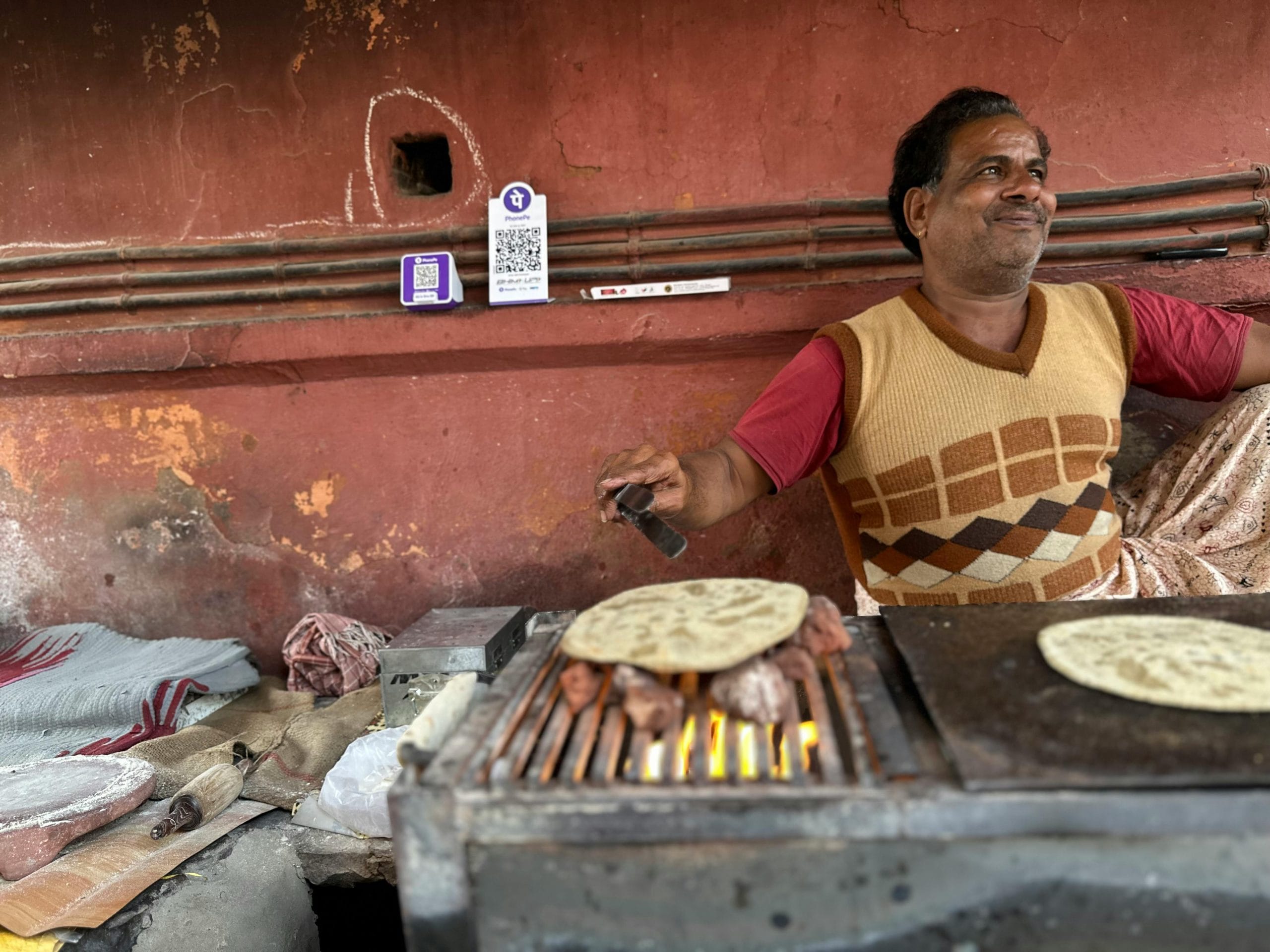
New Delhi: For many Indian households, a chapati puffed directly on an open gas flame is seen as fresh, soft, and perfectly cooked. This everyday cooking habit is repeated without a second thought. Over the years, a worry is often raised. Is direct flame cooking linked to cancer? This question is frequently discussed on social media, in family WhatsApp groups, and in kitchen conversations. The answer is not as dramatic as it is often made to sound, but some science is involved.
In an interaction with News9Live, Dr. Debashish Chaudhary, Senior Consultant and Clinical Lead, Surgical Oncology, Narayana Hospital, Gurugram, answered this question.
Why the Flame-Roasted Chapati Raises Questions
When a chapati is placed directly on a gas flame, black charred spots are formed. These spots are seen as harmless by many and are even enjoyed for the smoky taste. However, it is known that high-temperature cooking can lead to the formation of certain chemicals. This fact is often taken out of context, and fear is spread. The concern is not about chapati alone but about how food reacts when exposed to very high heat.
What Actually Happens During Direct Flame Cooking
When flour-based food is exposed to an open flame, parts of it are burnt. During this burning process, compounds like polycyclic aromatic hydrocarbons and acrylamide are formed. These substances are studied because they are linked to cancer risk when consumed in large amounts over a long time. It is important to note that their presence is influenced by temperature, duration of burning, and frequency of intake.
In simple terms, occasional charring is not treated as dangerous. Regular and heavy consumption of heavily burnt food is what raises concern in scientific studies.
Is Cancer Risk Directly Linked to Chapati on Flame
No direct link is established between eating flame-roasted chapatis and cancer. Cancer is a complex disease. It is caused by multiple factors such as tobacco use, alcohol intake, poor diet, obesity, lack of physical activity, infections, and environmental exposure. One cooking habit alone is not seen as a cause. Risk is always discussed in terms of patterns, not single actions. A balanced diet with fruits, vegetables, fibre, and adequate nutrients is seen as protective. One or two charred spots on a chapati do not outweigh years of healthy eating.
How Often and How Much Matters More
The key factor that is often ignored is frequency. If most meals include heavily burnt foods, the risk increases over time. If direct flame cooking is used occasionally and charring is minimal, the risk remains low. Traditional diets have included roasting, grilling, and flame cooking for centuries. Cancer rates are not decided by chapati habits alone. Lifestyle choices as a whole are what matter more.
Healthier Ways to Cook Chapatis
Chapatis can be cooked fully on a tawa and only briefly exposed to flame if puffing is desired. Excessive blackening can be avoided. Cooking on medium heat rather than very high heat is encouraged. Using a thick tawa helps in even cooking and reduces burning. Rotating the chapati quickly on the flame rather than holding it in one place also helps reduce charring. These small adjustments can lower exposure to burnt portions without changing the taste much.
Bigger Cancer Risks Often Overlooked
While attention is given to chapatis, larger cancer risks are often ignored. Smoking, chewing tobacco, high intake of processed foods and sugary drinks, lack of exercise, poor sleep, and chronic stress are much stronger contributors. Air pollution and occupational exposures also play a role. Focusing only on one food habit creates unnecessary fear and distraction. Cancer prevention is supported more by overall lifestyle changes than by eliminating one traditional cooking method.
The Bottom Line for Everyday Kitchens
A chapati cooked directly on a gas flame is not classified as a cancer-causing food. Moderate consumption is considered safe. Overcooking and frequent intake of heavily burnt foods are what should be limited. Cooking methods should be viewed with balance, not fear. Traditional practices can coexist with modern health awareness. Instead of worrying about every black spot, attention is better placed on eating a varied diet, staying active, and avoiding proven risk factors.