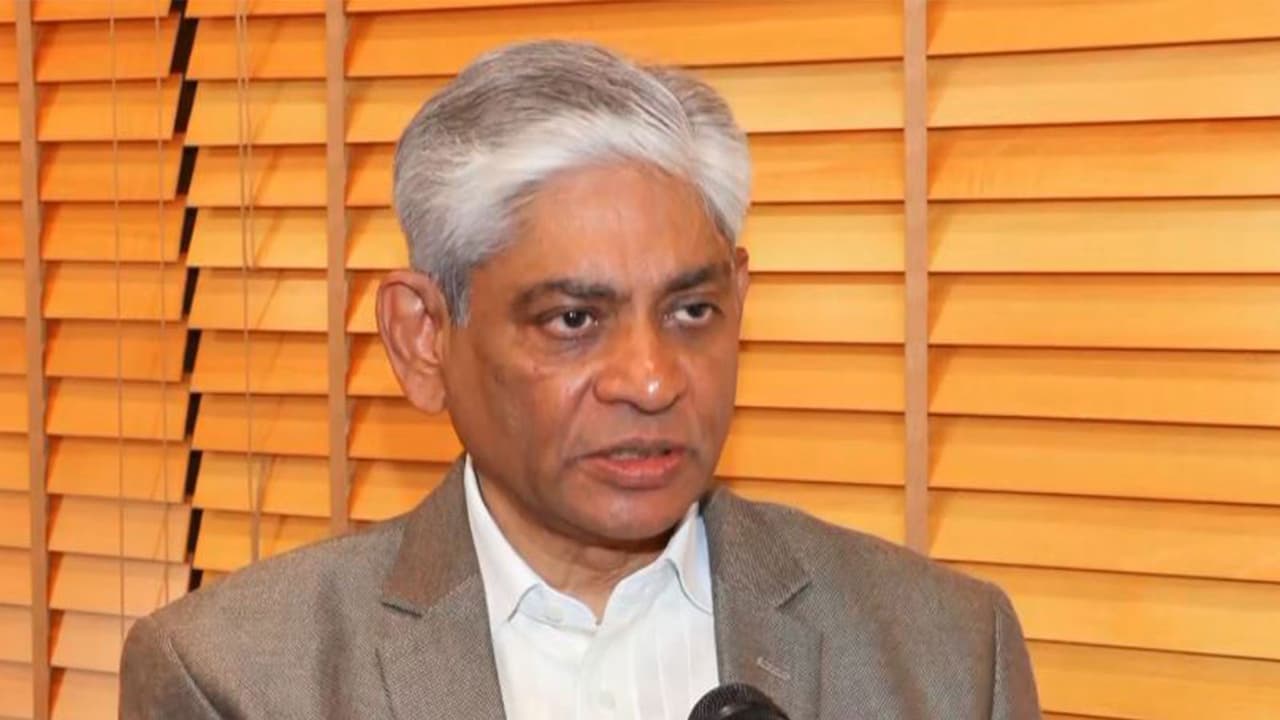
Former Indian Ambassador Arun K Singh hailed the US tariff cut on Indian exports as a significant move that removes a ‘competitive disadvantage’ and helps sectors like textiles and jewellery, though it sparks debate on India’s strategic autonomy.
Arun K Singh, former Indian Ambassador to the United States, on Tuesday termed the recent reduction in US tariffs on Indian exports as a significant move that removes a “competitive disadvantage” for the country.
Economic Relief and Strategic Debate
Speaking to ANI, he noted that the deal helps correct a months-long imbalance in which Indian sectors such as gems and jewellery, textiles, and leather were struggling against competitors, including Vietnam and Bangladesh. Ambassador Singh highlighted that while the deal provides economic relief, it has sparked a deeper debate regarding India’s “strategic autonomy” and the reliability of the US as a partner under the Trump administration.
Catalysts for the US Policy Shift
Reflecting on the catalyst for the agreement, he noted that the US stance shifted noticeably after Prime Minister Narendra Modi’s diplomatic engagements in China and Russia. “Till the Prime Minister’s visit to China for the SCO Summit, comments from people around President Trump were very critical. But after the optics of the PM’s meetings with President Putin and President Xi, the tone changed. President Trump began posting that India and PM Modi are great friends,” Singh said.
He further noted that the India-EU trade agreement acted as a major driver. “The US administration felt it was time to move from its rigid position because it feared European companies would gain better market access to India’s growing economy, leaving US companies at a disadvantage,” Singh added.
India’s Stance on Russian Oil and Bilateral Ties
Addressing the friction over India’s purchase of Russian oil, Singh dismissed it as a “manufactured thorn.” He emphasised that India will not allow its bilateral relationships to be dictated by a third party. “India will take decisions based on its own interests. Russian oil purchases were within the framework of US sanctions and the price cap. If Venezuelan oil becomes available at better prices, India may shift, but it won’t reduce purchases to zero just because President Trump says so,” the former diplomat asserted.
He drew a parallel with US-Pakistan relations, stating, “India does not say we won’t have a relationship with you if you have a positive relationship with Pakistan. Similarly, the US cannot make their relationship with India dependent on India’s other bilateral ties.”
A Cautious Approach: ‘Hedging’ and Diversification
Despite the “upswing” in relations following the trade deal, Singh advised a policy of “hedging” to ensure India is not security-dependent on the US, unlike Japan or South Korea. “Even as we deepen the partnership with the US, which is the world’s largest consumer market and a leader in technology, we must diversify. We must ensure the US does not have coercive power over us,” Singh said.
Resilient Partnership in Defence and Technology
He lauded both nations for keeping critical pillars of cooperation, such as defence and technology, functional even during the height of trade tensions. He cited the recent 10-year defence framework agreement and ongoing dialogues on critical minerals as evidence of a resilient partnership.
“The fact that defence policy dialogues and ministerial visits continued during the difficult phase shows both sides value the relationship. With this irritant [tariffs] out of the way, the focus will return to deepening ties, albeit with a more cautious and diversified approach,” he concluded. (ANI)
(Except for the headline, this story has not been edited by Asianet Newsable English staff and is published from a syndicated feed.)