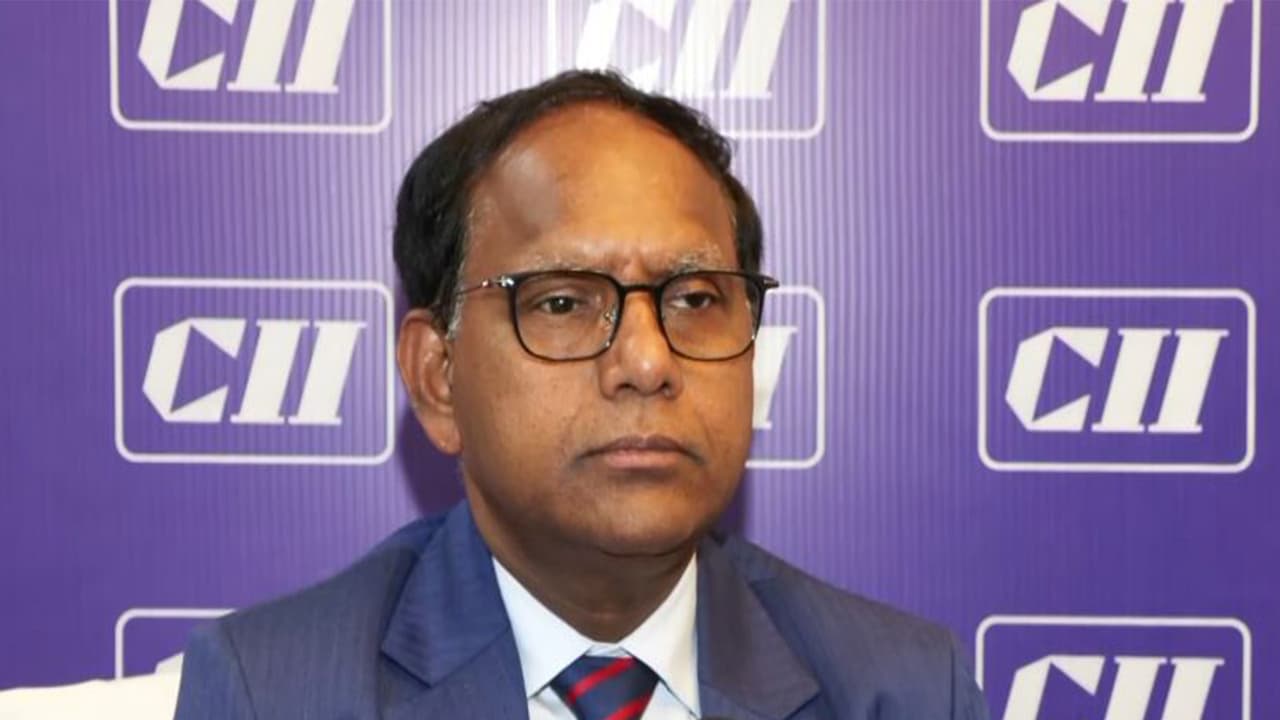
DFS Secretary M Nagaraju stated the planned REC and PFC merger will enhance capital strength, enabling the merged NBFC to borrow more and finance more projects. The move aims to achieve scale and improve efficiency in the public-sector NBFCs.
PFC, REC Merger for Enhanced Capital Strength
On plans to restructure non-banking financial companies (NBFCs) in the government sector, M Nagaraju, Secretary, Department of Financial Services (DFS), on Sunday said the consolidation would enhance capital strength, enabling the merged entity to borrow more and extend financing to a larger number of projects.
In a post-Budget conversation with ANI, Secretary DFS Nagaraju said, “Both Rural Electrification Corporation (REC) and Power Finance Corporation (PFC) provide project financing to the public and private sectors in energy. If two NBFCs are financing the same projects in the same sector, it makes rational sense to examine a merger.”
He added that consolidation would enhance capital strength, enabling the merged entity to borrow more and extend financing to a larger number of projects. “With a stronger balance sheet, they will be able to lend more and support infrastructure and energy projects more effectively,” Nagaraju said.
In the Union Budget 2026, Union Finance Minister Nirmala Sitharaman announced that the government is to restructure the Power Finance Corporation and Rural Electrification Corporation to achieve scale and improve efficiency in the Public Sector NBFCs. “In order to achieve scale and improve efficiency in the public-sector NBFCs, as a first step, it is proposed to restructure PFC and REC. We are rationalising it. We want to streamline it and therefore we will be taking some steps,” she said.
Budget Prioritises Manufacturing for Employment, GDP Growth
DFS Nagaraju further said the Budget has accorded priority to both manufacturing and services, with special emphasis on strategic manufacturing sectors that have long-term value for the country in terms of Atmanirbhar Bharat and national security.
“These are the sectors that will provide employment in the future, and that is why they have been given priority in the Budget,” Nagaraju said.
“Manufacturing currently contributes about 12 per cent to India’s Gross Domestic Product (GDP), significantly lower than advanced economies where the share ranges from 26 per cent and above. There is an urgent need to expand India’s manufacturing capacity, both to increase its contribution to GDP and to generate employment,” he said.
“Manufacturing is one of the largest employment-generating sectors. With a large number of unemployed people across several states, expanding manufacturing is critical,” he added. (ANI)
(Except for the headline, this story has not been edited by Asianet Newsable English staff and is published from a syndicated feed.)