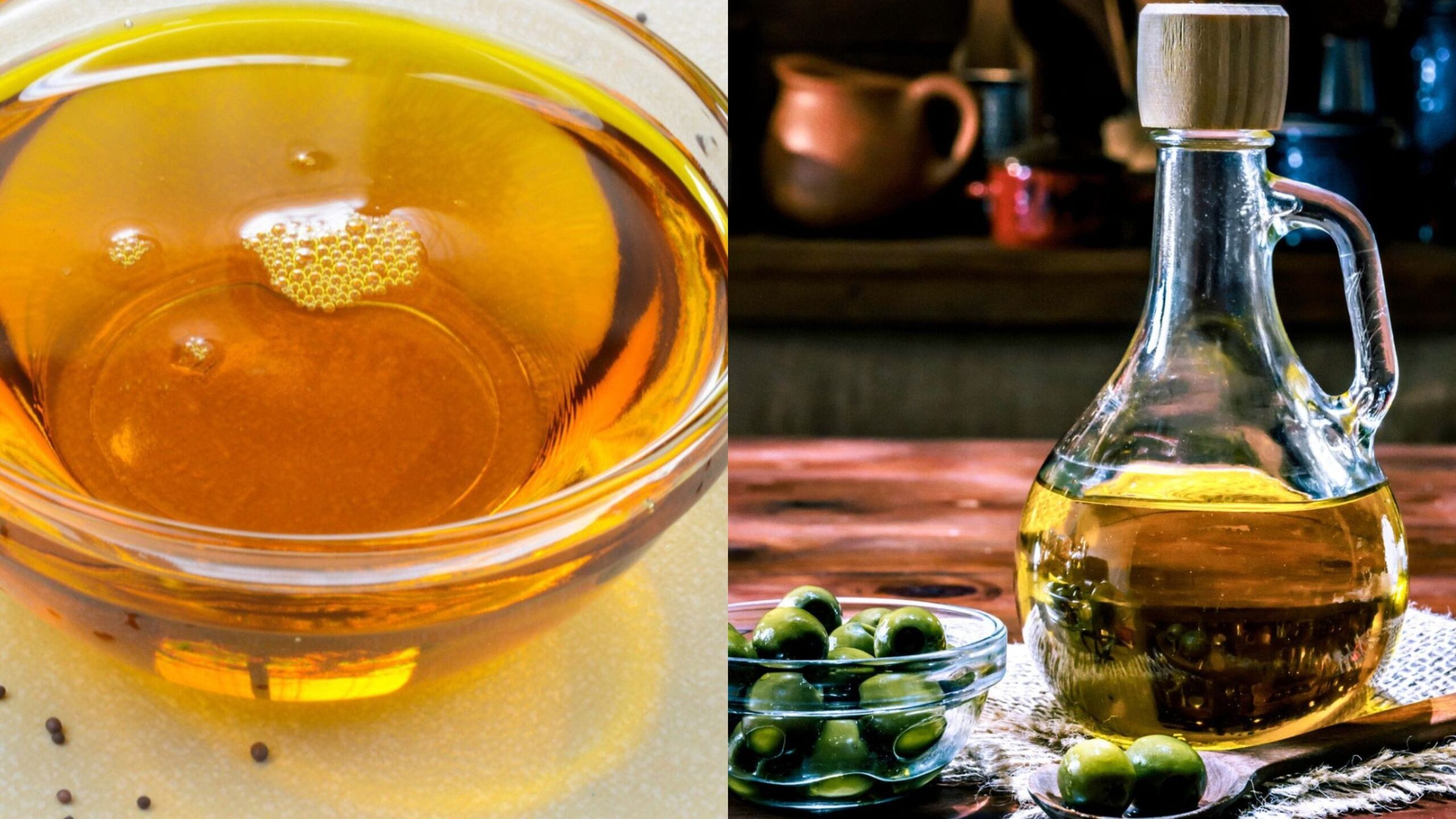
adulteration in mustard oilImage Credit source: Getty Images
Adulteration in Mustard Oil: Mustard oil is used extensively in Indian homes. It is believed that mustard oil is beneficial for health. Whether you want to make vegetables, make parathas or dip pickles. People eat mustard oil with great fondness. However, now pure mustard oil is not available in the market. You may get pure mustard oil in rural areas, but it is difficult to get it in urban areas. But now heavy adulteration is being seen in mustard oil at many places. Which can cause great harm to health.
Anti-bacterial and anti-fungal properties are found in mustard oil along with vitamin E, omega-3 and omega-6 fatty acids. But if you eat adulterated mustard oil, it can cause harm to your health instead of benefiting it. In such a situation, let us tell you in this article how we can identify adulterated mustard oil.
Also read: When should you comb curly hair, when the hair is dry or immediately after shampoo?
What things are adulterated with mustard oil?
According to FSSAI i.e. Food Safety and Standards Authority of India, many things are adulterated in mustard oil. Like Argemon oil, palm oil, mineral oil or Karanja oil is mixed in it. Apart from this, artificial colors are also added at many places. Let us tell you that during FSSAI investigation, adulteration was found in 33 percent of the samples.
Identification by smell and taste
Pure mustard oil has a strong, pungent and slightly stinging aroma in the nose. Its taste also feels slightly spicy and hot. If there is no specific smell in the oil, the aroma is very light or it looks exactly like refined oil, then it may be adulterated with some cheap oil.
palm rubbing test
Take a little mustard oil on your palm and rub it with both hands. When pure mustard oil is rubbed, its strong smell becomes more prominent and persists for some time. If the aroma disappears quickly or appears completely different, it may be a sign of adulteration.
Fridge Test
Put mustard oil in a small bowl and keep it in the refrigerator for 12 hours. Pure mustard oil may thicken slightly in the cold, but will not completely separate into layers. If the oil starts solidifying in different layers or some part solidifies and some remains liquid, then it may be adulterated with other oil.
Identify by the color of oil
The color of pure mustard oil is dark yellow or light golden. If the oil appears too light, transparent or of a completely different shade, it may be adulterated. Because adulterated oil is mixed with artificial colours, it makes it appear light and dull.
Also read: How to identify chemical based synthetic and real camphor? Here are 5 simple ways