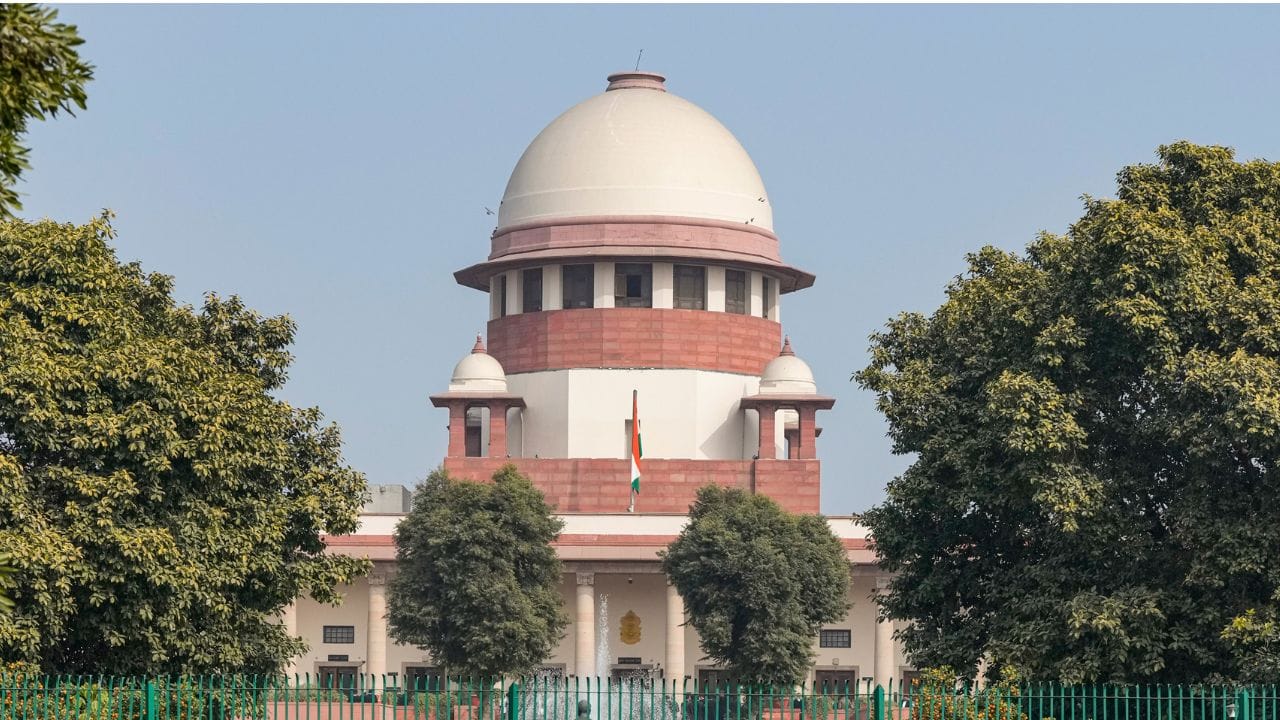
New Delhi: The Supreme Court has issued a set of binding directions to all states and Union Territories to ensure gender-segregated toilets and menstrual hygiene facilities for girls in schools across urban and rural areas.
In its order, the court said all government and private schools must provide separate toilets for girls along with water facilities, and ensure privacy, while also taking into account the rights of persons with disabilities. The directions apply to both existing and newly established schools.
Mandatory menstrual hygiene facilities
The court directed that biodegradable sanitary napkins must be made available within school toilet premises. It also ordered the setting up of menstrual hygiene management centres equipped with extra uniforms and essential materials to deal with menstrual-related emergencies.
The judges underlined that lack of such facilities directly affects school attendance and participation of girl students, particularly during menstruation.
Court frames constitutional questions
While delivering the judgment, the Supreme Court framed key constitutional questions to examine the impact of inadequate sanitation facilities on girls’ rights.
It observed that the “lack of separate toilets for girls and the unavailability of absorbent products used during menstruation violates Article 14.” The court noted that “the right to equal participation means participation on equal terms” and that absence of menstrual hygiene management deprives girls of this right.
Menstrual dignity part of right to life
The court further held that the “right to dignified menstrual health is part of Article 21,” stating that denial of this right harms the dignity of the girl child. It emphasised that privacy is intrinsically linked to dignity, requiring not only non-interference but also proactive measures by the state.
RTE Act compliance made compulsory
The top court also examined whether the absence of toilets and menstrual absorbent products violates Article 21 and the right to free and compulsory primary education. It ruled that all government-run and privately managed schools must comply with Section 19 of the Right to Education (RTE) Act.
The court warned that if violations are found, the recognition of schools will be cancelled, making compliance with the order mandatory rather than advisory.