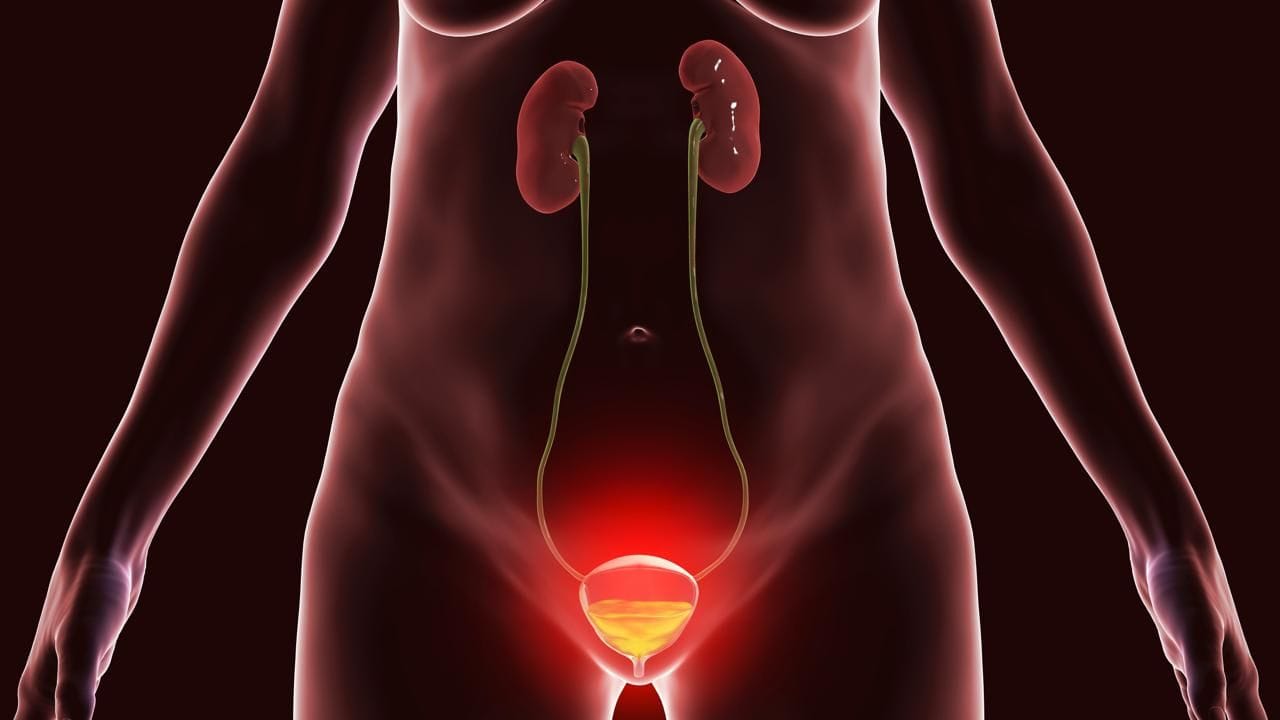
urinary bladderImage Credit source: Getty Images
Many times people are troubled by the problem of frequent urination, but on examination neither diabetes nor urine infection or any prostate disease is found. In such a situation, it is natural to raise the question that what is the reason for frequent urination? Actually, this problem can be related not only to physical disease but also to the way the bladder works. When the bladder becomes excessively active, it starts sending signals to the brain repeatedly even after filling a small amount of urine. This condition is called overactive bladder syndrome.
This problem can be seen in both men and women and its risk also increases with increasing age. It is important to understand and recognize it at the right time, so that it does not affect everyday life. Let us know why overactive bladder syndrome occurs, what are its other symptoms and how to prevent it.
What causes overactive bladder syndrome?
Professor Dr. Subhash Giri, Director, Department of Medicine, RML Hospital. It is said that there can be many reasons behind overactive bladder syndrome. Excessive activation of bladder nerves is considered to be the main reason for this. Apart from this, stress, anxiety and mental pressure can also increase this problem. Excessive consumption of caffeinated beverages such as tea, coffee or soft drinks can activate the bladder.
This problem is seen in some people due to hormonal changes, especially in women after menopause. Habit of stopping urination for a long time, obesity and lack of physical activity can also be the reasons for this. Sometimes problems related to the spinal cord or nervous system also affect the signals of the bladder, due to which frequent urination starts.
Apart from frequent urination, what are the symptoms?
In this problem, not only is there frequent urination, but there is also a sudden desire to urinate strongly. Sometimes it becomes difficult to control urination. You may have to wake up repeatedly at night to urinate. Some people also have the feeling that their bladder is not completely empty. This condition can affect a person’s sleep, work and social life.
how to protect
Reduce caffeine and soft drink intake.
Drink water on time and in balanced quantity.
Do not develop the habit of stopping urination.
Do yoga and meditation to reduce stress.
Keep weight under control.
Adopt bladder training and pelvic exercises.