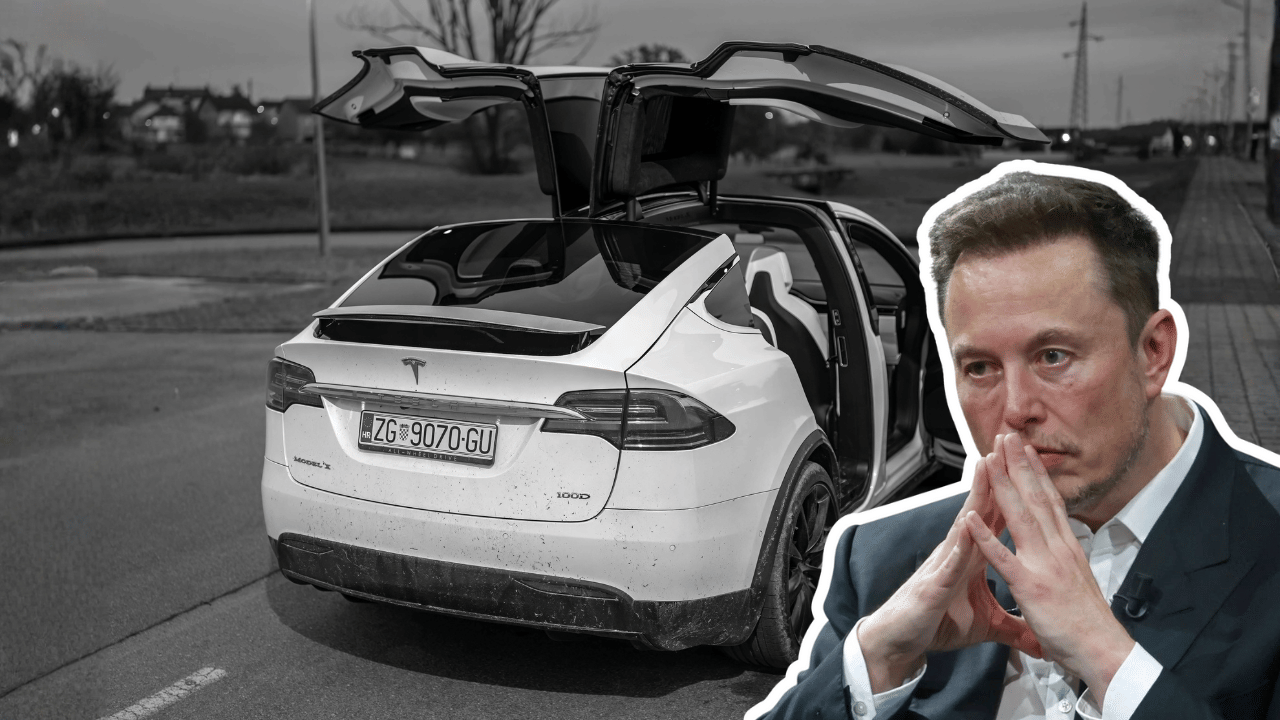
New Delhi: On January 28, 2026, Tesla quietly drew a line under two of its most iconic vehicles. During the company’s latest quarterly earnings call, CEO Elon Musk said the Model S and Model X programs are coming to an end, with final builds scheduled for next quarter.
The Model S was the car that convinced many people that electric vehicles could be fast, stylish, and practical. The Model X followed with bold design ideas. Now, both are being retired to make room for something very different: robots.
S and X will always continue to exist in the fleet, just not in production, but it is still a little sad
— Elon Musk (@elonmusk) January 29, 2026
Tesla ends Model S and Model X to make space for Optimus robots
Musk said Tesla will wind down Model S and Model X production and convert the Fremont, California factory into a facility focused on Optimus humanoid robots. He added that Tesla will continue to support existing owners for as long as they keep their vehicles.
Musk described the move as a necessary step as Tesla shifts into a future built around autonomy and robotics. He told listeners that customers interested in buying a new Model S or Model X should place orders soon.
Once the change happens, Fremont will stop making passenger cars altogether. The factory will instead focus on building Optimus robots, which Tesla plans to start producing before the end of 2026. Public sales of Optimus are targeted for 2027.
A quiet goodbye to two landmark Teslas
The Model S arrived in 2012 and quickly became the face of modern EVs. It launched with a base price of $57,400 (around ₹51.6 lakh) and introduced ideas that later became standard across the industry.
Some key milestones for EV enthusiasts:
- Floor-mounted battery for better space and handling
- Multiple battery sizes with different range options
- First Tesla with Ludicrous Mode
- 0 to 60 mph in 2.8 seconds, roughly 0 to 97 kmph
The Model X followed in 2015 with its signature Falcon Wing doors. They looked futuristic, but caused repeated production and quality problems. Musk later called the Model X the “Fabergé of cars,” referring to its complexity and fragile nature.
Both cars received major exterior and interior refreshes in 2021, but sales never returned to early highs.
Model S & X will live on through me pic.twitter.com/kNXx2eK1U2
— Tesla Optimus (@Tesla_Optimus) January 28, 2026
Sales pressure and rising competition
Tesla’s more affordable Model 3 and Model Y were always meant to outsell the S and X. That happened. But even those mass-market models have seen demand slow.
Recent numbers paint a tough picture:
- Total automotive revenue fell 11% year-on-year in 2025
- Q4 vehicle deliveries dropped 16% year-on-year
- Overall revenue declined 3% to $24.9 billion (around ₹2.24 lakh crore)
- Earnings per share came in at $0.50 (₹45), better than estimates
Luxury EV competition has intensified. Rivian and Lucid continue to push into premium segments. China’s BYD overtook Tesla last year as the world’s largest EV maker, posting 28% sales growth in 2025.
Musk bets big on AI, robots, and autonomy
Musk now positions Tesla as a physical AI company rather than just a carmaker. The focus areas:
- Optimus humanoid robots
- Self-driving Robotaxis and Cybercab
- Heavy investment in AI infrastructure
- $20 billion (around ₹1.8 lakh crore) capital expenditure planned
Tesla has also agreed to invest $2 billion (around ₹18,000 crore) into xAI, Musk’s artificial intelligence startup.
None of these projects generate major public revenue today. That risk is real. But investors appear willing to wait, at least for now.
What this means for car fans
For enthusiasts, this feels like the end of an era. The Model S and X helped shape modern EV culture. They showed that electric cars could be aspirational, fast, and fun.
Tesla’s future may belong to robots and autonomy. But the legacy of the Model S and Model X will stay etched in automotive history.