An ex-IAF pilot suggests the Baramati crash killing Ajit Pawar could be due to bad weather, tech issues, or pilot error. Experts urge waiting for the AAIB investigation, citing low visibility and potential human error as other factors.
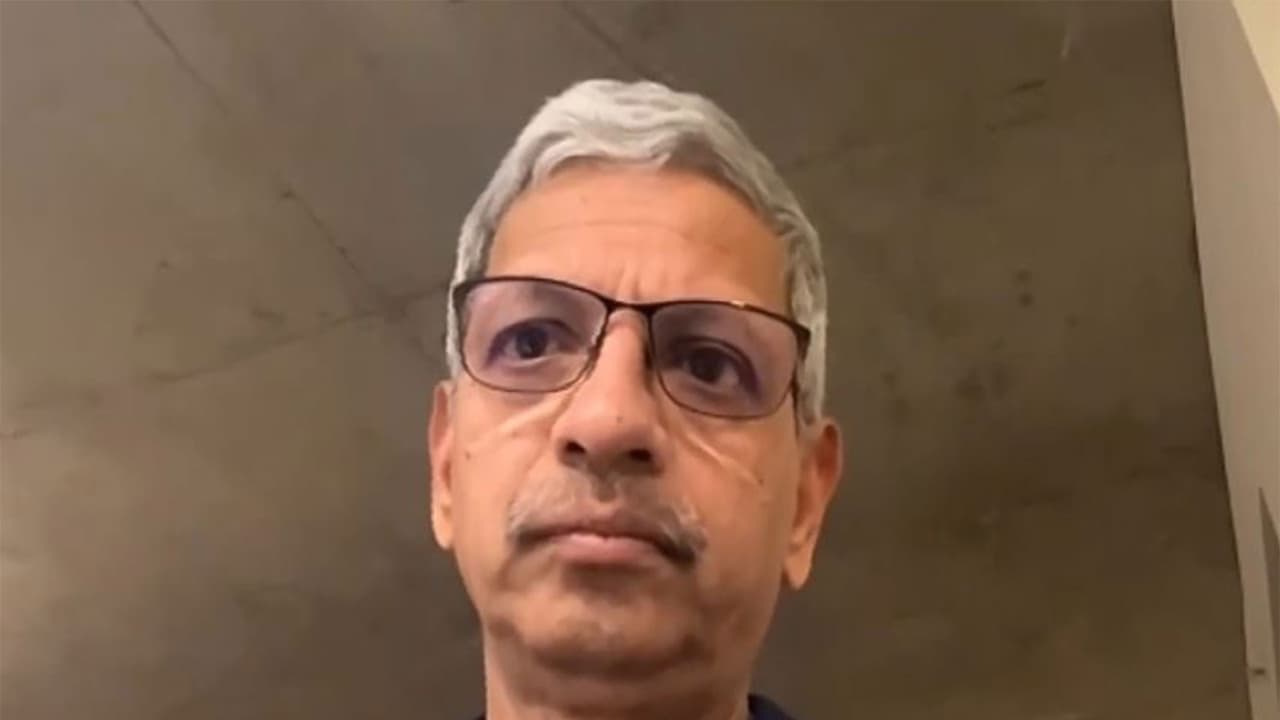
Former Indian Air Force (IAF) pilot Captain (Retd) Ehsan Khalid stated that the fatal Baramati charter plane crash, which claimed the lives of Maharashtra Deputy Chief Minister Ajit Pawar and four others, could have resulted from a combination of factors, including adverse weather conditions, technical issues or pilot judgment error.
A chartered aircraft flying from Mumbai to Baramati crash-landed at around 8.45 am on Wednesday, killing all five people on board. The deceased included Ajit Pawar, his personal security officer, a flight attendant and two crew members, including pilot Vidip Jadhav.
Soon after, speculations began surfacing on the cause of the fatal crash.
Expert Cautions Against Premature Conclusions
Addressing this, former Indian Air Force (IAF) pilot and friend of Vidip Jadhav, the deceased pilot of the plane, Captain (R) Ehsan Khalid, said Jadhav was a highly experienced aviator and cautioned against drawing premature conclusions before the investigation was completed. “… It was a tragic incident. I have known the pilot since my Sahara days, almost two decades ago. He was an experienced pilot. I am told that as the plane was making its first approach, it had to go around and make a second approach. I do not know whether the first approach was abandoned and the missed approach was carried out due to bad weather visibility alone, or whether there were also technical issues with the aircraft. To my knowledge, no call of technical malfunction has been reported,” he said.
‘Marginal Visibility’ Explained
Elaborating on the weather conditions, Khalid said that while official reports described the visibility as marginal, the actual conditions experienced by the pilot could have been different, particularly given the limited navigational infrastructure at Baramati airfield, noting bad weather and technical issues or pilot judgment error as possible explanations. “According to the media and the Directorate General of Civil Aviation (DGCA), the visibility was marginal. That means it was neither very good nor very bad. If it had been really bad, the pilot would not have attempted to land. Marginal visibility means the situation was unclear, a kind of “go or no-go” condition. Under such circumstances, especially at airfields like Baramati, which do not have many electronic aids to support operations, the actual visibility may not have been exactly as reported and could have been lower. The pilot in the aircraft does not see visibility as it is reported, so it could have been a combination of bad weather, technical issues, or pilot judgment error,” he noted.
Khalid said the ongoing investigation would reveal whether there were any technical shortcomings. “This is under investigation, and the DGCA has already taken control of all the aircraft documents to determine whether there were any technical shortcomings at the time of release..,” he said.
Other Aviation Experts Weigh In
Meanwhile, aviation expert Diptesh Chaudhary also cited low visibility and possible runway misalignment during the final approach as potential causes. “… There could be several reasons for the crash. As I was told, the visibility was low. Pune’s visibility was approximately 2,500 meters, and in Baramati, it would have been lower. So low visibility could be one, and the other is when the Aircraft came to its final approach, it was slightly at a lower height than usual. It is possible that the aircraft could not align with the runway at its final approach. We can’t say much about the real scenario as it is a matter of detailed investigation…,” he said.
Another aviation expert, Dr Ashoken, said that only investigation and black box findings can reveal the actual cause behind the crash. Describing the aviation industry as the safest mode of transportation, he said most such incidents result from human error or system failures. “The exact cause of the incident can only be identified after the investigation and black box data findings. The weather conditions and the control system error. The aviation industry is the safest compared to road and water transport….High-profile cases become news. Ajit Pawar’s death is a big loss for the country….90% of cases happen due to human error or system failures, which are also potential reasons, and weather is also an area of concern,” he said.
Call for Improved Pilot Training
He further emphasised the need for improved stimulation training for pilots to help them navigate through difficult situations. “Almost all planes now have weather warnings, autopilots, and instrument landing systems integrated. The pilots can utilise them. But when the pilots take manual control, 1-2 incidents happen which are beyond their control. The pilot training on stimulation needs to be improved so that they can take care of this,” he stated.
Official Investigation Underway
As part of the investigation into the crash, Aircraft Accident Investigation Bureau (AAIB) officials were present at the office of VSR Ventures Private Limited, which operates the ill-fated charter plane. The AAIB team was seen placing boxes of documents into vehicles.
Airframe and engine logbooks, work orders, on-board documents, and major inspection records related to the aircraft were gathered from the operator for scrutiny. The probe team has also sought documents from the Directorate General of Civil Aviation (DGCA) related to the crew and the aircraft. Radar data recordings, CCTV footage, ATC recordings, and hotline communications will be obtained for further analysis. (ANI)
(Except for the headline, this story has not been edited by Asianet Newsable English staff and is published from a syndicated feed.)