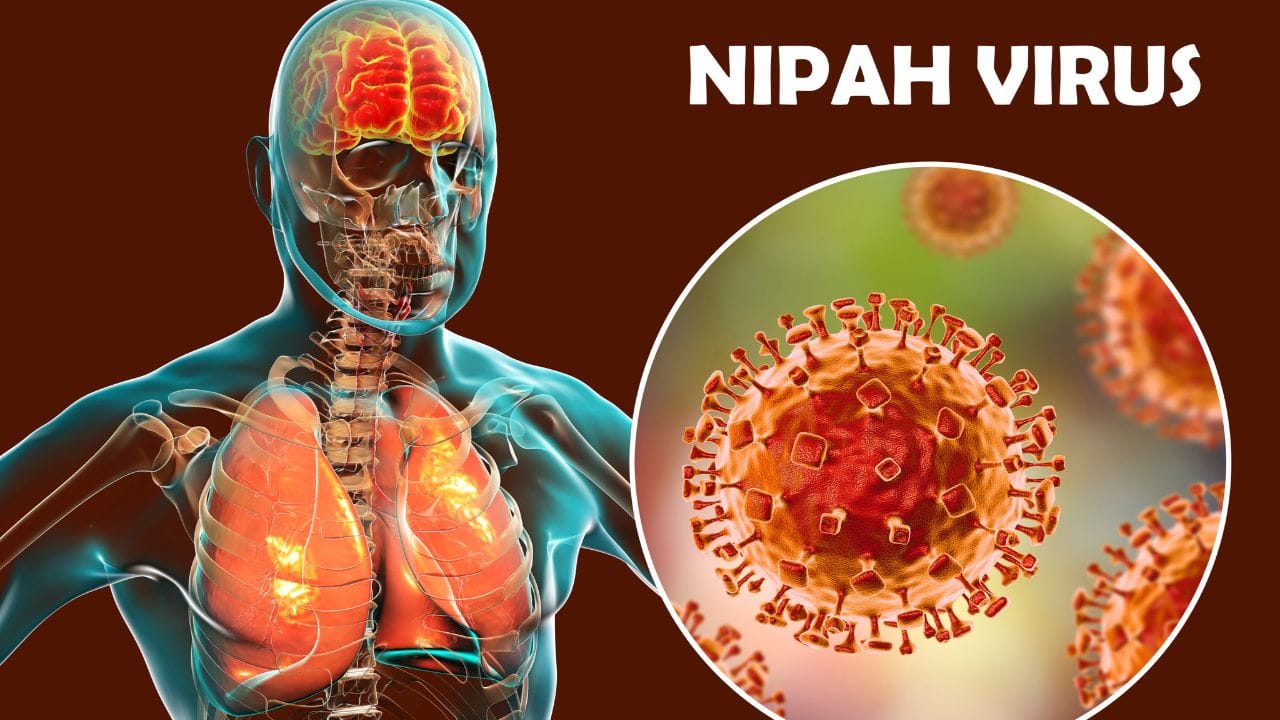
New Delhi: West Bengal is once again in the public health spotlight after fresh Nipah virus infections triggered emergency surveillance and concern among residents. Previously, the state of Kerala was plagued with rising cases of the infection, which is known for its high fatality rate and limited treatment options. This has further prompted authorities to move quickly and contain any possible spread.
While officials insist the situation is under control, the development has raised familiar questions about why this eastern state keeps appearing on the Nipah map, how dangerous the virus really is, and what ordinary people should do to stay safe.
Why is West Bengal the new Nipah virus hotspot of India?
West Bengal could be faced with rising cases because of its ecology and geography. The two play a role in rendering it vulnerable as WB shares borders and environmental conditions with Bangladesh, where such outbreaks have been a common occurrence. The area is home to fruit bats that carry the virus naturally. As cities expand, people are forced to move closer to forests and wildlife habitats, which spikes the chances of the virus jumping from animals to humans.
West Bengal has seen Nipah before. Past outbreaks in the early 2000s were linked to similar environmental conditions and close human–animal contact. This history means health authorities keep a close watch whenever a new case is detected, especially in hospitals, where the risk of person-to-person spread can rise if precautions are not followed.
Is the Nipah virus 100% fatal?
Despite its frightening reputation, Nipah is not always fatal. However, it is one of the deadliest viruses known to infect humans. Data suggests that 40-75% of the patients can die because of the Nipah virus, depending on how quickly they receive medical attention and how prompt the health system’s response is. The virus can trigger breathing problems, severe fever, and brain swelling—these can lead to coma, confusion, and even death in some cases. Unfortunately, there is no widely available vaccine or antiviral treatment yet. Therefore, timely detection and prevention are the way out.
How does the Nipah virus spread?
Nipah spreads primarily from animals to humans. Fruit bats are the main hosts, and when humans consume an infected fruit or ingest sap contaminated by bat droppings or saliva, the infection can be passed on. In some outbreaks, pigs also act as intermediate hosts. Once infected, the virus can spread to others through blood, saliva, or respiratory secretions. However, the good news is that it does not spread through casual contact.
Should locals panic?
Health officials have said that WB locals need not panic but should take smart precautions well in time. This means:
- Washing and peeling fruits well before eating
- Avoiding fruits that are even partially damaged
- Raw date palm sap and unregulated toddy should not be consumed in regions where bats are common
- Regular handwashing, avoiding close contact with people who have fever or respiratory symptoms, and seeking
- Medical care early if symptoms appear is also strongly recommended
What to do to curb the Nipah virus in WB?
The current situation in West Bengal appears limited, with aggressive contact tracing and testing underway. Travel screenings and alerts in neighboring regions highlight the global concern surrounding Nipah, which scientists classify as a high-priority pathogen because of its ability to jump between species and cause deadly outbreaks.
Experts worry that with the ongoing rate of urbanisation, deforestation, and climate change, human-wildlife interactions may increase, raising the risk of future spillovers. For now, awareness remains the strongest weapon. Simple precautions, early symptom reporting, and strong healthcare vigilance could make the difference between a contained incident and a wider crisis.