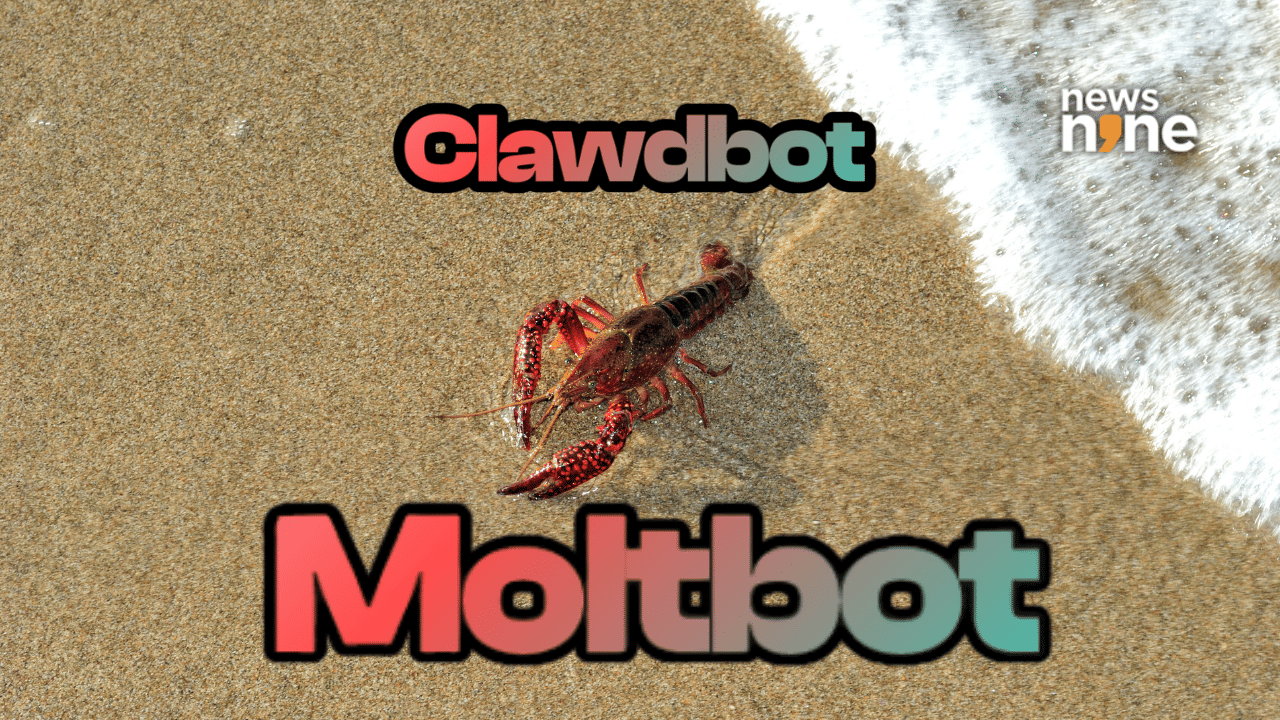
New Delhi: A small open-source AI project turned into one of the internet’s most talked-about experiments this week, pulling Mac Minis out of closets, lighting up developer forums, and even causing ripples across tech stocks. The project, first known as Clawdbot, spread fast as users shared clips of an AI agent quietly booking flights, cleaning inboxes, and managing daily tasks through simple text messages.
That viral momentum met an unexpected speed bump on January 27, 2026. After Anthropic raised concerns about trademark confusion with its “Claude” brand, Clawdbot was asked to change its name. Within hours, the project emerged with a new identity. Clawdbot became Moltbot. The code stayed. The users stayed. The brand, quite literally, molted.
Crypto folks: I was forced to rename the account by Anthropic. Wasn’t my decision.
— Peter Steinberger 🦞 (@steipete) January 27, 2026
From Clawdbot to Moltbot
The rename came after Anthropic contacted creator Peter Steinberger, asking that “Clawdbot” and “Clawd” be changed, citing trademark conflict with “Claude.” The response was swift.
By the same day, the project adopted the name Moltbot, introduced “Molty” as its mascot, and pointed users to a new domain and social handles. What followed was a short but messy scramble.
🦞 BIG NEWS: We’ve molted!
Clawdbot → Moltbot
Clawd → MoltySame lobster soul, new shell. Anthropic asked us to change our name (trademark stuff), and honestly? “Molt” fits perfectly – it’s what lobsters do to grow.
New handle: @moltbot
Same mission: AI that actually does…— Mr. Lobster🦞 (@moltbot) January 27, 2026
Old X handles and GitHub pages were briefly grabbed by bots and bad actors trying to push crypto schemes. A rushed GitHub change even caused temporary issues with Steinberger’s personal account. The team later worked with contacts at X and GitHub to undo the damage.
Similar situations have played out before in AI. DALL·E Mini rebranded to Craiyon after OpenAI asked for distance from its model name. Google retired Bard in favour of Gemini as it aligned product branding to its model family.
In crowded AI ecosystems, name collisions are becoming common.
Read More: What is Moltbot (Clawdbot)? What can it do? And why is it Viral?
What Moltbot actually does
At its core, Moltbot behaves like a personal AI assistant that users talk to over chat apps instead of browsers or terminals.
You send a message like:
- “Book my flight”
- “Clean my inbox”
- “Summarise today’s meetings”
Moltbot reads the request, breaks it into steps, and then talks to the right apps to complete the job. It also keeps notes, so it remembers preferences over time.
Many users run Moltbot locally on their own computers. That means messages and files stay on the device, rather than being routed through cloud AI platforms. For privacy-conscious users, this local-first approach is a big draw.
The agent can communicate through WhatsApp, iMessage, Discord, or Telegram, and it uses Anthropic’s Claude model as its reasoning engine.
A fast-moving open-source moment
The rename drama did not slow development or adoption. If anything, it drew more eyes.
Developers continue to share tweaks, plug-ins, and experiments. Users keep posting stories about automating small but annoying tasks.
In open-source culture, momentum often matters more than branding. Moltbot appears to have that momentum.