Ernakulam: As India and the European Union (EU) finally sign the free trade agreement to counter the US trade challenges and to bolster trade between India and the European union, Kerala is expected to reap significant benefit as the new deal is expected to promote various spices and products with reduced tariffs.
As per the agreement, 90% of Indian products will be tariff-free immediately, and within 10 years, 99% of products will not attract tariffs.
Last fiscal year, India’s exports (excluding IT and petroleum products) amounted to ₹42,343 crore, with about 18% destined for the European Union.
As per the trade agreement, below are the few sectors in Kerala which are expected to benefit
Coffee, Tea, and Spices
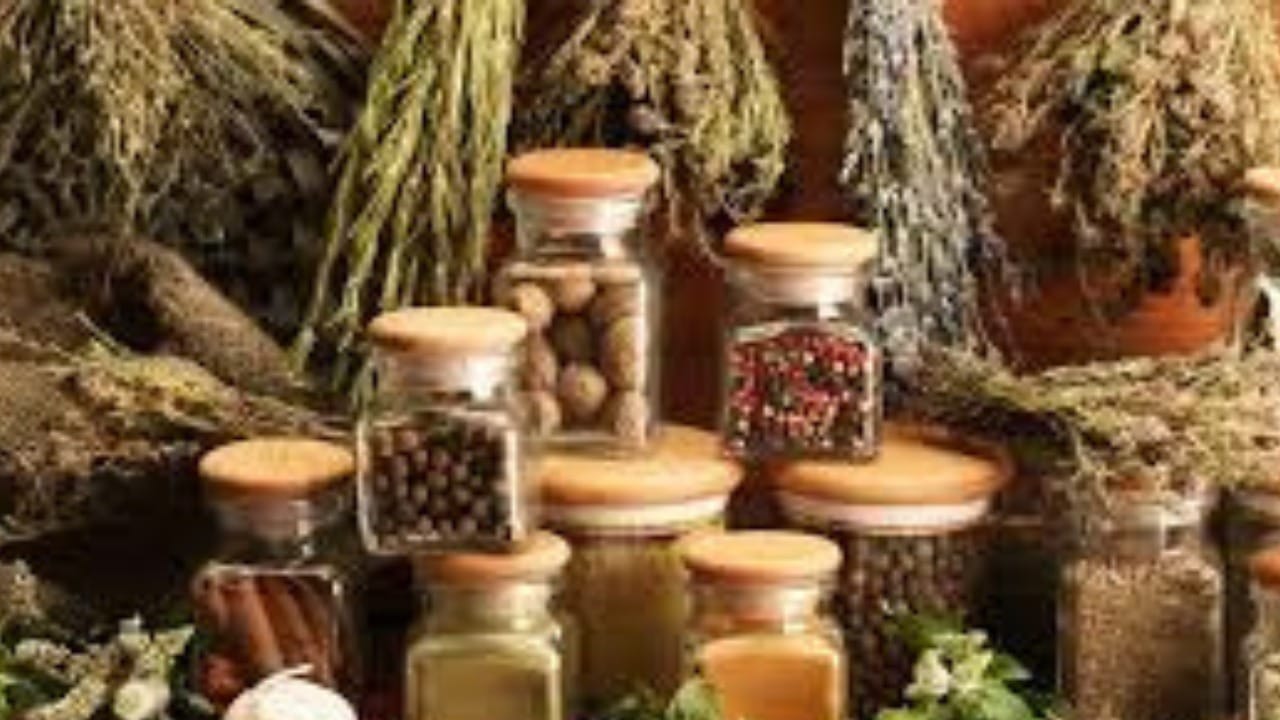
Tariffs on crops such as tea, coffee, black pepper, and cardamom will be fully removed, boosting their exports. Products with Geographical Indications (GI), such as Wayanad Robusta coffee, will receive protection under the agreement, helping to prevent counterfeiting. This will help Kerala’s unique agricultural products fetch better prices.
Fishing industry
Currently, the EU imposes duties ranging from 4% to 26% on marine products such as shrimp. With the EU deal, tariffs will almost completely disappear and thus allowing the state to export squid and shrimp directly to the European markets better than Vietnam and Thailand. The agreement will also encourage the production and export of value-added seafood products. There is a large market in Europe for ready-to-eat seafood items.
Ayurvedic Products
Traditional Ayurvedic products are included in the agreement. This will allow tariff-free exports of Ayurvedic products to Europe. Ayurvedic treatment centres in Kerala will also find it easier to get approvals in European markets.
Cashew
There is already a significant market for cashew kernels in Europe. With the agreement, Kerala can export high-quality cashews at competitive prices, competing with Vietnam and other countries. However, strict quality standards must be maintained by the exporters and thereby ensure that the quality checks are made before it is been packed and sent to European markets.
Medical devices
Kerala has made progress in medical devices, lab equipment, and dental care products. The agreement will help increase exports in this sector. However, products from Europe will also enter India tariff-free, so competitiveness will be essential.
Rubber
Tariffs on rubber-based products such as surgical gloves, tyres, and other industrial products have been fully removed, benefiting rubber-base export units. However, products from rubber plantations planted on deforested land after 2020 cannot be exported to Europe.
Meanwhile, stakeholders in the rubber industry in Kerala are optimistic about the EU-India deal. Joy Mathew, a rubber planter based in Kannur said that the deal will open avenues for the rubber markets in Kerala which has been going through a challenging phase for a long time.
“This is a good deal that raises hopes among the rubber cultivators in the state. There is a huge demand for finished quality rubber products in countries like Germany, Spain and Sweden. Kerala’s rubber export is expected to meet their demands”, he said while speaking to News9.