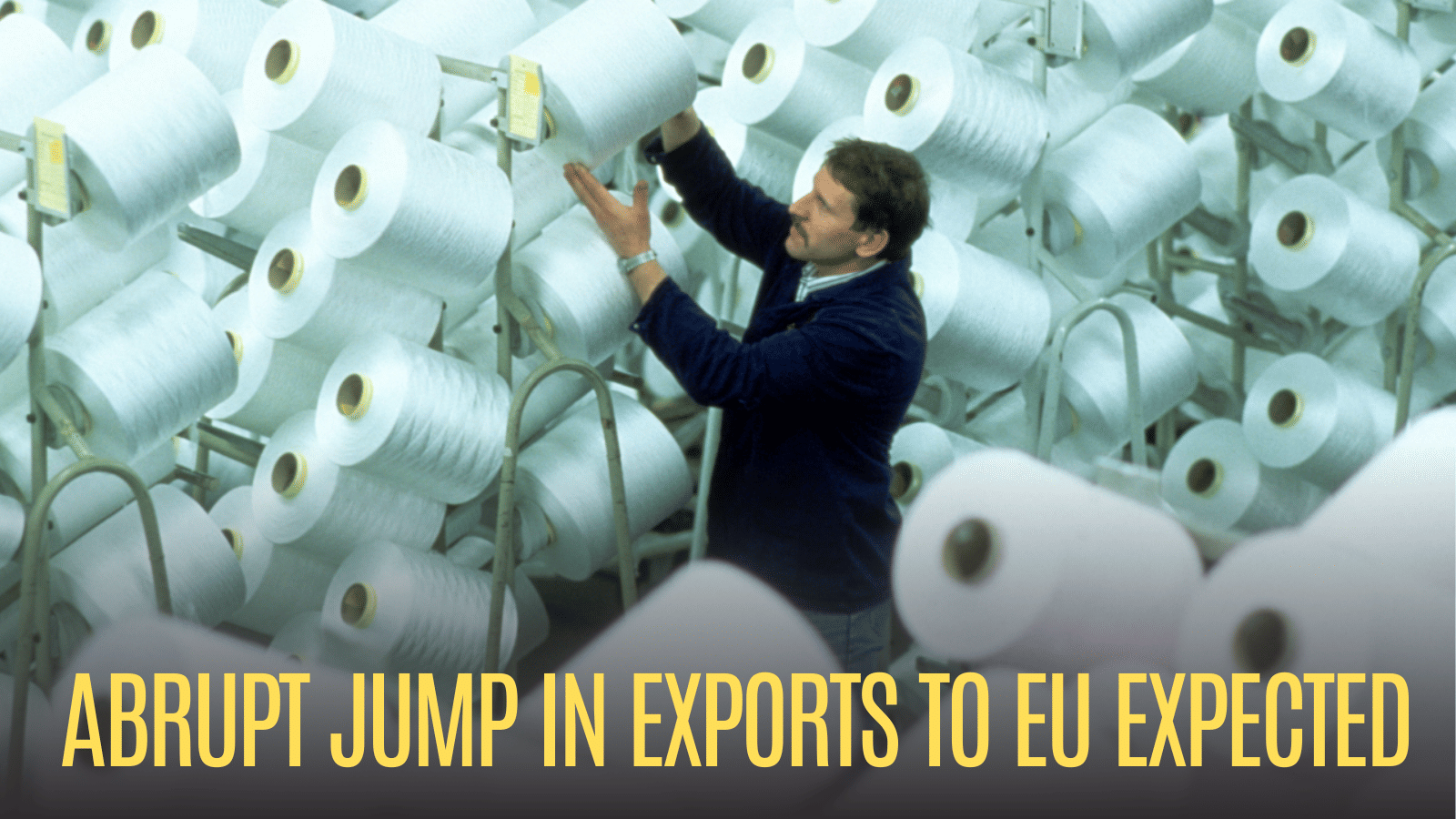
Kolkata: For hundreds of years Europe knows the value of Indian textiles. The stage is being recreated for that value to be reassigned when the India-EU free trade agreement paved the way for export of Indian textiles duty free to the EU region, which is the second largest economic bloc after the US in terms of GDP. Right now, the Indian textiles face import duty that ranges between 0 and 12% in the EU region.
“Gaining zero duty access in textiles and clothing, covering all tariff lines and reducing tariffs by up to 12 per cent, would open up the EU’s Rs 22.9 lakh crore (USD 263.5 billion) import market,” the commerce ministry said in a statement. Perhaps the most significant economic benefit that can flow form the agreement is the fact that the textile sector is very labour-intensive and it ranks as the second biggest employer after agriculture.
World’s biggest apparel importer
In FY25, the EU happened to be the world’s largest apparel importer and the value of the apparel imports in this region was valued at $202.8 billion. The new ease of access to the EU region can also prove to be a tailwind for the promising MSME sector of the country. It will allow the MSMEs to reinforce India as a reliable and high-value origin of quality textiles. Naturally, it will allow the MSMEs to expand their business and generate job opportunities for many along the entire supply chain. Incidentally, the FTA can blunt the advantage of Bangladesh which also enjoys a duty-free access to the region.
“Building on India’s current Rs 3.19 lakh crore (USD 36.7 billion) textile and apparel exports, including USD 7.2 billion to the EU, such access would significantly expand opportunities, particularly in yarn, cotton yarn, cotton yarn, man-made fibre apparel, ready-made garments, men’s and women’s clothing and home textiles,” the ministry added in the statement.
High growth anticipated
After the FTA comes into force, Indian apparel exports can grow by 20–25% year on year, Apparel Export Promotion Council office bearers remarked. The current growth rate is just about 3.01% in the EU region. The chairman of the Apparel Export Promotion Council A Sakthivel said the free trade agreement will abolish tariffs all apparel tariff lines which is bound to raise access of the sector to all member countries of the EU.
Germany, France, Spain and Italy are some of the countries that traditionally source textiles and apparels from India. The FTA will help the countries to source more from India. The price advantage that will translate from the trade deal will also help other countries to explore sourcing from India. Another very significant point is that it could help tide over the crisis that Trump tariffs had on the Indian textile and apparel sector.