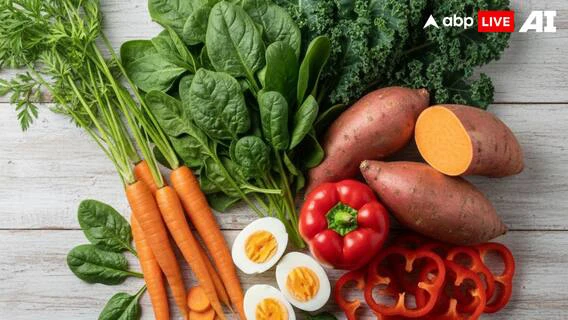
Vitamin A is one of the most essential nutrients for maintaining overall health, yet many people remain unaware of the subtle signs of deficiency.
This fat-soluble vitamin plays a vital role in supporting vision, boosting immunity, promoting healthy skin, and ensuring proper organ function. Despite its importance, modern diets often fall short, leaving the body craving this crucial nutrient. Missing out on Vitamin A doesn’t always trigger immediate alarm bells; often, deficiency starts with minor symptoms that are easy to overlook. From night blindness and dry skin to frequent infections and delayed wound healing, your body sends signals long before the problem becomes serious.
Let’s explore 8 subtle yet telling signs that your body isn’t getting enough Vitamin A, along with tips to naturally boost your intake and maintain optimal health.
1. Night Vision Problems
 (Image Source: ABPLIVE AI)Difficulty seeing in low light or struggling to adjust when moving from bright to dim environments could indicate Vitamin A deficiency. This nutrient is essential for producing rhodopsin, a protein in the eyes that helps you see in dim lighting. Without enough Vitamin A, your eyes cannot create sufficient rhodopsin, resulting in poor night vision and even night blindness over time. Early signs may include squinting, slow adjustment in dark spaces, or needing extra light when reading or driving at night. Vitamin A deficiency can also contribute to more severe eye conditions, including dryness of the cornea and, in extreme cases, permanent vision loss. Incorporating Vitamin A-rich foods like carrots, sweet potatoes, and leafy greens into your diet can help restore proper eye function.
2. Dry Or Rough Skin
 (Image Source: ABPLIVE AI)One of the earliest and most noticeable signs of low Vitamin A is dry, rough, or flaky skin. This vitamin is crucial for maintaining the integrity and repair of skin cells, promoting smooth, hydrated, and glowing skin. Without enough Vitamin A, the skin’s natural renewal process slows down, leading to buildup of dead cells and rough patches. These skin changes often appear on the arms, legs, and face, making your skin more prone to irritation, itching, and even infections. Adding Vitamin A-rich foods like pumpkin, kale, and liver can help your skin regain moisture and elasticity. Additionally, topical treatments containing retinoids, a form of Vitamin A, are often recommended to combat dryness and support skin regeneration.
3. Frequent Infections
 (Image Source: ABPLIVE AI)Vitamin A is a powerhouse nutrient for the immune system. When your body lacks this vitamin, it can’t produce enough white blood cells or antibodies, leaving you more susceptible to infections. Frequent colds, respiratory infections, and even prolonged flu symptoms may indicate that your immune system is compromised due to Vitamin A deficiency. Children and older adults are particularly vulnerable to these effects, but adults can also experience recurrent illnesses if intake is insufficient. Incorporating Vitamin A-rich foods like eggs, dairy products, and dark leafy vegetables helps strengthen immunity.
4. Slow Wound Healing
 (Image Source: ABPLIVE AI)If cuts, scrapes, or bruises take longer than usual to heal, your body might be lacking Vitamin A. This nutrient plays a key role in cell regeneration and collagen production, both essential for repairing tissues and healing wounds effectively. Deficiency can lead to delayed healing, increased risk of infection, and poor tissue recovery. Vitamin A works synergistically with other nutrients like Vitamin C and zinc to ensure wounds close quickly and scars form minimally. Foods like sweet potatoes, carrots, spinach, and liver provide the nutrients needed for faster recovery. Additionally, avoiding processed foods and ensuring a diet rich in fresh vegetables, fruits, and protein supports optimal tissue repair.
5. Hair Thinning And Dry Hair
 (Image Source: ABPLIVE AI)Hair health is closely linked to adequate Vitamin A intake. A deficiency can cause hair to become dry, brittle, and prone to breakage, or even lead to excessive hair shedding. Vitamin A helps in the production of sebum, a natural oil that keeps hair moisturised and scalp healthy. Without sufficient levels, hair follicles may weaken, resulting in thinning and dull-looking hair. Incorporating Vitamin A-rich foods such as eggs, dairy, and leafy greens can revitalise hair and promote growth. Additionally, balancing Vitamin A with other nutrients like biotin, zinc, and protein is crucial for maintaining strong, shiny hair. Early attention to hair changes can prevent long-term hair loss and improve overall scalp health.
6. Cracked Lips And Dry Mouth
 (Image Source: ABPLIVE AI)Vitamin A deficiency often manifests through oral symptoms, including cracked lips, dry mouth, and sore tongue. These issues occur because Vitamin A plays a role in maintaining the mucous membranes that line the mouth and throat. Without enough of this nutrient, membranes can become dry, irritated, and more prone to infections or ulcers. Persistent dryness may make speaking, eating, and swallowing uncomfortable. Including Vitamin A-rich foods like carrots, sweet potatoes, and red bell peppers can restore moisture and support oral tissue health. Additionally, staying hydrated and maintaining good oral hygiene can help reduce irritation.
7. Weak And Brittle Nails
 (Image Source: ABPLIVE AI)Brittle, slow-growing, or weak nails can be another sign of Vitamin A deficiency. This vitamin is vital for the production of keratin, the protein that forms the structure of nails. A lack of Vitamin A can cause nails to peel, split, or develop ridges, making them appear unhealthy. Ensuring your diet includes Vitamin A-rich foods such as eggs, cheese, and leafy greens helps strengthen nails and support growth. Pairing Vitamin A intake with biotin and protein-rich foods further enhances nail health. Nail changes are often one of the first visible signs of nutrient deficiency, making them an easy indicator to watch for.
8. Fatigue And Low Energy
 (Image Source: ABPLIVE AI)Feeling unusually tired or lacking energy despite sufficient sleep may indicate Vitamin A deficiency. This vitamin supports numerous bodily functions, including immune response, vision, and cellular health, all of which contribute to overall energy levels. Low Vitamin A can reduce efficiency in metabolic processes, making the body feel drained even after rest. Boosting intake through foods like pumpkin, carrots, liver, and leafy greens can improve energy levels, support immune function, and enhance cognitive performance. Combining Vitamin A-rich foods with a balanced diet, regular exercise, and hydration can further reduce fatigue.