Thyroid disorders are among the most common endocrine conditions affecting women of reproductive age. The thyroid gland, located in the neck, produces hormones that regulate metabolism and play a central role in growth, development, and physiological balance.
When hormone production falls below normal levels, it results in hypothyroidism, while excess production leads to hyperthyroidism.
In India, the estimated burden of thyroid disease is around 42 million individuals, with women disproportionately affected. Despite its prevalence, thyroid health is often under-recognised in discussions around reproductive planning and pregnancy outcomes.
Why Thyroid Hormones Matter During Pregnancy
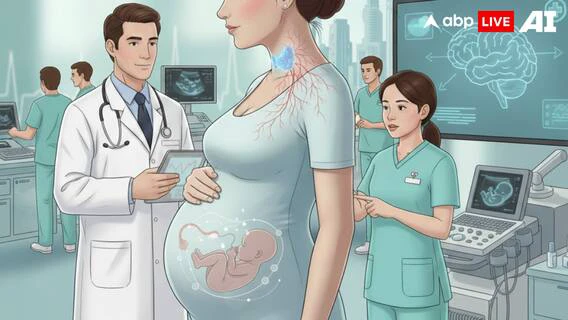
 (Image Source: ABPLIVE AI)Thyroid hormones play a critical role during pregnancy, particularly in the early stages of foetal development. During the first trimester and into the early second trimester, the developing foetus relies entirely on maternal thyroid hormones, which cross the placenta to support the formation of the brain and nervous system. Only later does the foetus begin producing its own thyroid hormones.
For women planning a pregnancy, maintaining stable thyroid hormone levels is therefore not just a matter of maternal health, but an important determinant of foetal development. Even subtle imbalances during early gestation can have downstream effects.
Recognising Symptoms During Pregnancy
Pregnancy itself brings about significant hormonal shifts. Rising levels of oestrogen and human chorionic gonadotropin (hCG) can stimulate changes in thyroid hormone levels, sometimes masking or mimicking thyroid dysfunction. This overlap can make diagnosis challenging, particularly in cases of hyperthyroidism, where symptoms may resemble normal pregnancy-related changes.
Hypothyroidism during pregnancy may present with muscle cramps, heightened sensitivity to cold, difficulty concentrating, fatigue, and weight gain, symptoms that are often attributed to pregnancy itself. Hyperthyroidism, on the other hand, may be associated with heat intolerance, palpitations, irregular or rapid heart rate, sleep disturbances, unexplained weight loss, and severe nausea or vomiting.
Autoimmune Causes And Thyroid Dysfunction
In many cases, thyroid disease during pregnancy is linked to autoimmune conditions, either pre-existing or newly identified during gestation.
Hashimoto’s thyroiditis is characterised by an immune-mediated attack on thyroid tissue, leading to a gradual decline in hormone production. Alongside classical features of hypothyroidism, it may be associated with dry skin, constipation, joint stiffness, muscle weakness, cold intolerance, and swelling of the extremities.
Graves’ disease represents the opposite end of the spectrum. It is driven by thyroid-stimulating immunoglobulin (TSI) antibodies, which trigger excessive hormone secretion. Clinical features can include heat intolerance, elevated blood pressure, palpitations, menstrual irregularities, diarrhoea, and insomnia. TSI levels tend to fluctuate during pregnancy, often peaking in the first and last trimesters and improving mid-pregnancy due to transient changes in immune activity.
Implications For The Mother And Child
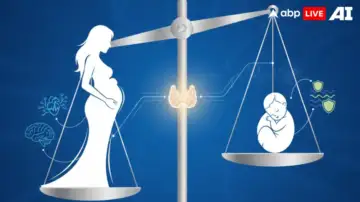 (Image Source: ABPLIVE AI)Thyroid hormones are integral to foetal growth, particularly neurological development. When thyroid levels remain untreated or poorly controlled, the risks extend to both mother and baby. Adverse outcomes may include preterm birth, low birth weight, miscarriage, or stillbirth. In cases of maternal hypothyroidism, impaired neurodevelopment may affect the child’s cognitive outcomes.
For women with a history of Graves’ disease, TSI antibodies can cross the placenta even if thyroid levels appear controlled. Elevated thyroid hormone levels in the newborn can result in poor weight gain, tachycardia, irritability, and respiratory distress, requiring prompt medical attention.
Maternal complications may include anaemia, gestational hypertension, and preeclampsia. Hyperthyroidism is also associated with hyperemesis gravidarum, a severe form of pregnancy-related vomiting that can lead to dehydration and metabolic imbalance.
Postpartum thyroiditis may develop after delivery, presenting as transient hyperthyroidism, hypothyroidism, or a combination of both. This condition affects an estimated 7.5 percent of women, with a higher incidence observed among those with type 1 diabetes.
Managing Thyroid Disease During Pregnancy
Effective management begins with a detailed medical history and ongoing monitoring. Women with known thyroid conditions require close coordination between obstetric and endocrine care teams throughout pregnancy.
Hypothyroidism is typically treated with levothyroxine, a synthetic form of thyroxine (T4), to maintain hormone levels within the recommended range. Mild hyperthyroidism may not require active treatment unless symptoms are severe or complicated by conditions such as hyperemesis gravidarum. In cases of significant hyperthyroidism, carefully titrated doses of antithyroid medication are used to balance maternal health while minimising foetal risk.
Thyroid health is an essential, though often under-emphasised, component of pregnancy care. For fertility providers, recognising, monitoring, and managing thyroid disorders before and during pregnancy forms a critical part of preconception assessment and ongoing treatment planning. Timely intervention can play a meaningful role in safeguarding both maternal wellbeing and long-term child health.