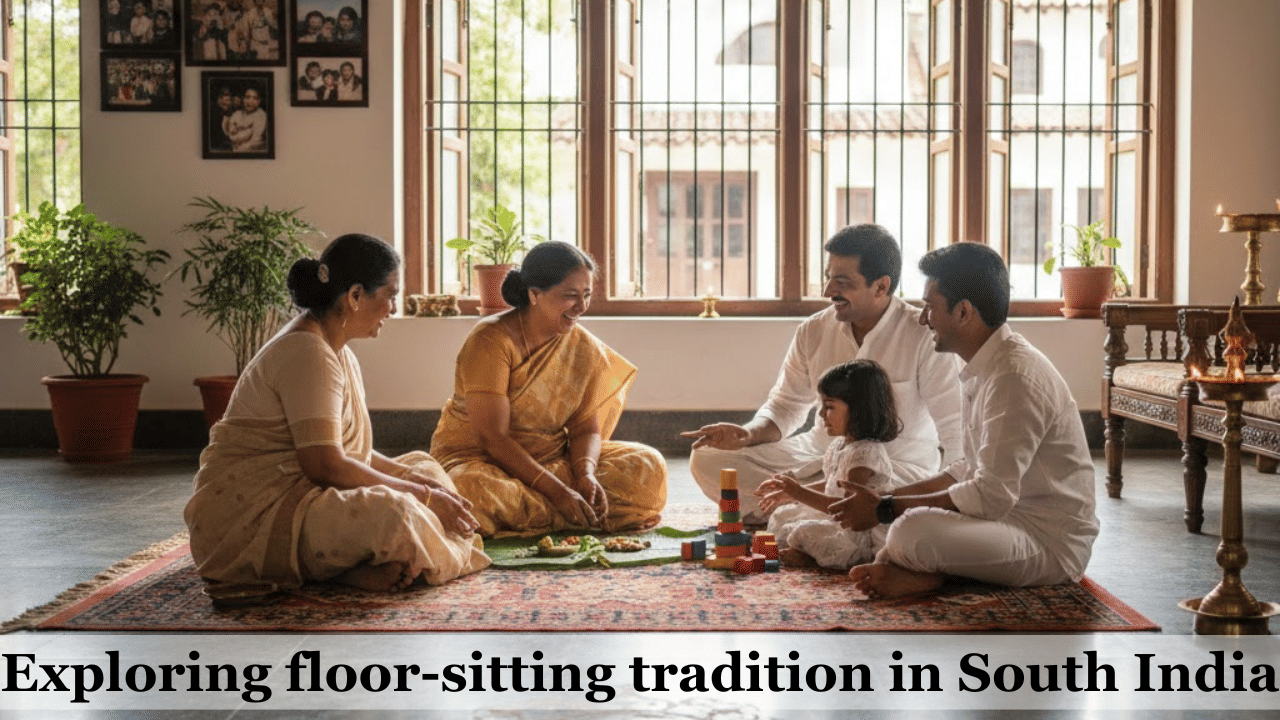
New Delhi: Picture this: you’re kicking off your chappals at the door of a typical South Indian home, and instead of heading straight for the sofa, everyone—including that sprightly grandma—just plops down cross-legged on the cool floor for a chat or a meal. It’s not laziness; it’s a vibe that’s stuck around for generations, especially down South, where floor-sitting feels as natural as breathing humid monsoon air. In bustling cities like Chennai or Madurai, even posh apartments keep this habit alive amid all the modern gadgets. Why? Well, it’s woven into the daily rhythm—think family dinners on banana leaves or temple gatherings where the floor is the great leveller. This simple act isn’t just comfy; it’s got roots that run deep, blending practicality with a quiet nod to wellness that Western chair culture often overlooks.
Ever wondered why South Indians swear by it while the rest of us hunch over desks? Floor-sitting isn’t fading away; it’s making a sneaky comeback among urban millennials chasing that authentic, grounded feel. From yoga studios to home offices, it’s popping up as a hack for better health without the gym fees. Stick around as we unpack the traditions, keeping it alive and the perks that’ll make you rethink your office chair.
Floor-sitting tradition in South India
South Indian homes have long embraced floor-sitting as more than a seating choice—it’s a cultural cornerstone shaped by history, climate, and community spirit. Back in ancient times, during the Chola and Pandya eras, grand halls and homes featured vast stone floors perfect for communal living, where kings, poets, and everyday folk gathered without hierarchies of thrones or tables. This egalitarian setup stemmed from Dravidian architecture, designed for tropical heat—think breathable mud floors or polished granite that stayed cool even in peak summer, unlike stuffy Western furniture. Tradition played a huge role: Vedic texts and epics like the Silappatikaram praised “bhumi sparsha” or ground-touching as a humble practice, fostering equality since everyone sits at the same level, dissolving caste or class barriers during meals or rituals.
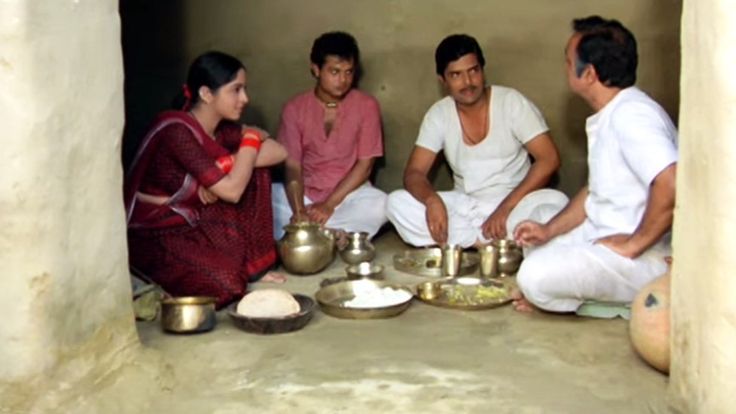
Fast-forward, and it’s still the heartbeat of South Indian life. In Tamil Nadu or Kerala homes, you’ll spot families in “virasana” or sukhasana for banana-leaf feasts, a custom from Agraharam villages where Brahmin households ate this way to honour simplicity and aid digestion—your stomach compresses gently, signalling the brain it’s mealtime. History ties it to yoga’s origins too; Patanjali’s sutras from the South promoted floor poses for prana flow, influencing daily habits. Even today, during Pongal or Onam, floors host feasts for hundreds, reinforcing bonds—no chairs needed. Climate-wise, it’s genius: Kochi’s humidity makes elevated seats sweaty traps, but floors wick away moisture. Urban South Indians blend it with modernity—think IT pros in Bengaluru adding floor mats to minimalist homes, proving it’s adaptable, not outdated. It’s humility personified: closer to the earth, literally grounding you in rituals like prostrating before elders.
Health benefits of sitting on floor
1. Boosts posture naturally
Ditching chairs forces your spine into its natural S-curve, engaging deep core stabilisers that chairs let slack. Over time, this builds muscle memory—reducing slouchy shoulders and that nagging desk hunch, perfect for long workdays. You’ll stand taller without trying.
2. Fires up core strength
Floor-sitting activates stabilising muscles around your abs, hips, and back compared to lounging in seats. It’s like a passive workout; your body fights gravity constantly, toning without sweat, leading to rock-solid stability that prevents slips or strains in daily life.
3. Enhances hip and joint flexibility
Cross-legged styles stretch tight hip flexors, IT bands, and knees gently, boosting mobility by up to 40%. South Indians’ low hip replacement rates hint at lifelong perks—your joints stay supple, easing squats or stairs, and warding off stiffness from sedentary jobs.
4. Improves digestion effortlessly
Sitting cross-legged compresses your abdomen mildly, kickstarting digestive juices and calming the brain for mindful eating—a trick from traditional thali meals. Blood flows better to gut organs, cutting bloating and that post-lunch fog.
5. Promotes better circulation
No chair compression on legs means freer blood flow; shifting positions prevents pooling and pins-and-needles. It’s a natural anti-fatigue hack, keeping energy up during festivals or floor yoga sessions.
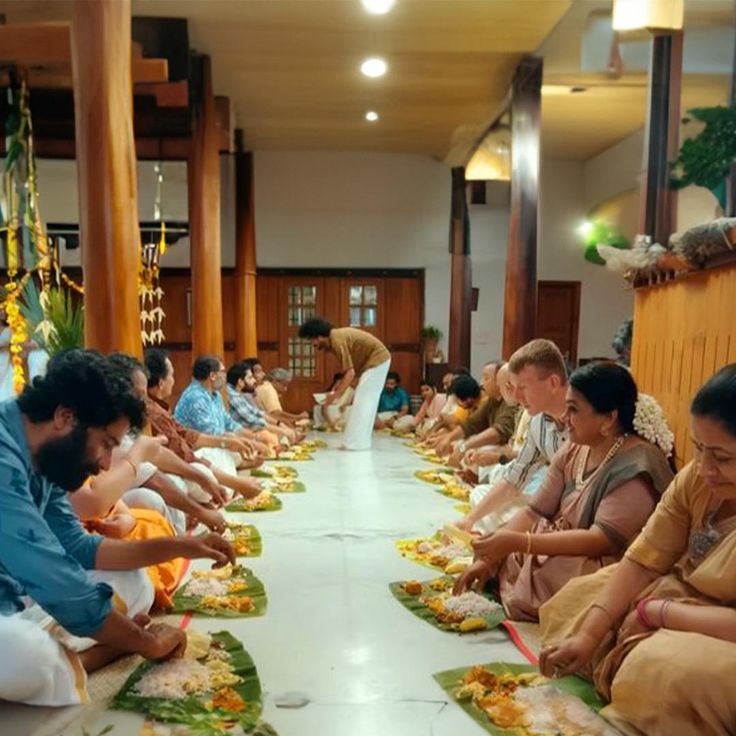
6. Strengthens mind-body link
Constant balance tweaks heighten proprioception—your inner body radar—making you more aware and agile. Cultures thriving on it, like South Indians, report fewer joint woes, blending physical perks with mental grounding.
Next time you visit a South Indian home, join the floor party—your body will thank you for rediscovering these timeless perks.