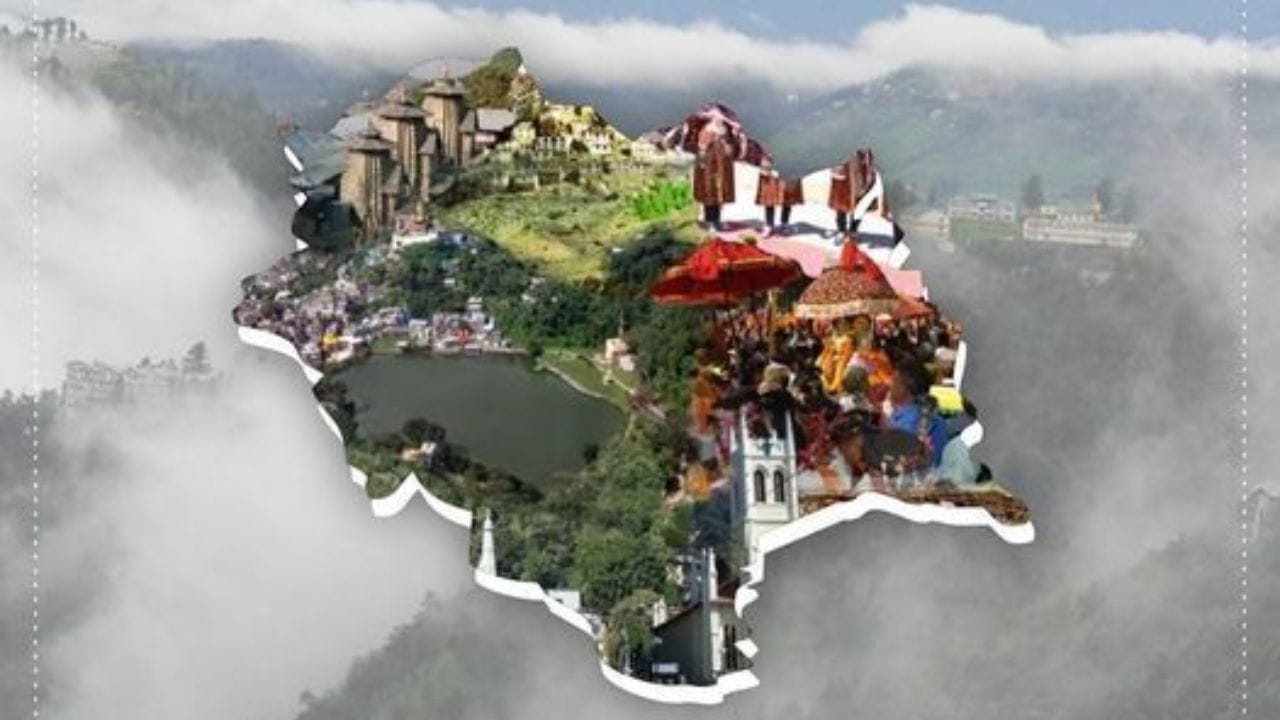
New Delhi: On January 25, Himachal Pradesh marks its Statehood Day, remembering the moment it became the 18th state of the Indian Union in 1971. The day carries national importance, highlighted this year by President Droupadi Murmu’s message expressing hope that Himachal will continue contributing to nation-building and security. Nestled in the western Himalayas, the hill state is admired for courage, spiritual depth, and natural abundance, earning its reputation as both the Land of Gods and the Land of the Brave today.
Statehood Day reflects Himachal Pradesh’s journey from a Union territory to a full-fledged state with a distinct administrative and cultural identity. Beyond history, the occasion honours resilience, community harmony, and steady progress. Celebrations across districts blend official ceremonies with cultural events, offering citizens a moment to express pride, remember sacrifices, and reaffirm their commitment to the state’s future and responsibility.
History of Himachal Pradesh Statehood Day
Himachal Pradesh Statehood Day is observed on January 25 to mark the formation of the state as a full-fledged member of the Indian Union. The journey toward statehood was gradual and shaped by administrative changes after Independence. Initially, the region consisted of several princely hill states that were merged to form Himachal Pradesh as a Union territory in 1948. Over the years, its administrative structure evolved to reflect the distinct geographical, cultural, and developmental needs of the hill region.
The turning point came on January 25, 1971, when Himachal Pradesh was granted full statehood, becoming the 18th state of India. This recognition acknowledged the region’s unique identity, strategic importance, and the aspirations of its people for self-governance. The capital, Shimla, already known for its historical and political relevance, became the centre of administration for the newly formed state.
Significance of Himachal Pradesh Statehood Day
Statehood Day holds deep importance for the people of Himachal Pradesh as it represents dignity, identity, and collective progress. The occasion reflects the resilience of hill communities who preserved their cultural traditions while adapting to modern governance. It is a day to recognise how the state has balanced development with environmental sensitivity, especially in fragile mountain ecosystems.
The day is marked by official ceremonies, cultural programmes, and public gatherings across districts, creating a shared sense of pride and unity. It also highlights Himachal Pradesh’s contribution to the nation through defence services, hydropower generation, tourism, and sustainable development. Statehood Day serves as a moment to honour past achievements while reaffirming commitment to responsible growth, social harmony, and national responsibility.
Cultural festivals that define Himachal’s identity
Kullu Dussehra
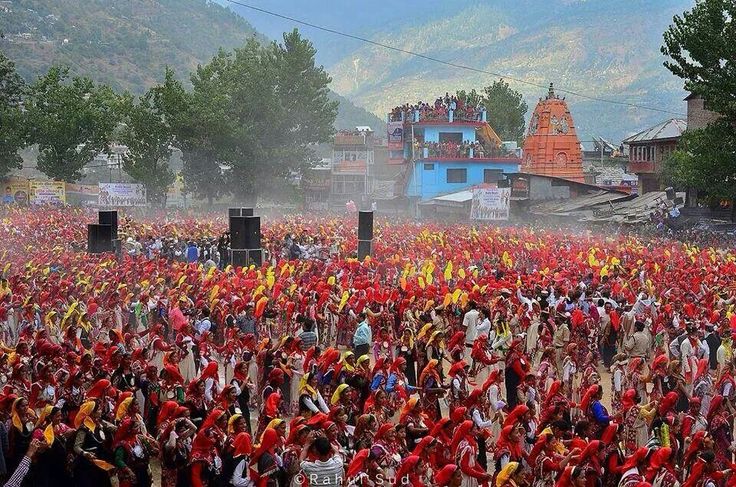
Celebrated in October, Kullu Dussehra brings together local deities, folk music, and traditional dances at Dhalpur Maidan, making it one of the state’s most distinctive festivals.
Lavi Fair and Minjar Fair
Rampur’s Lavi Fair, held in November, highlights historic trade traditions, while Chamba’s Minjar Fair celebrates harvest and prosperity through colourful processions during July or August.
Seasonal and religious celebrations
Festivals such as Lohri, Losar, Phulaich, Sair, and Maha Shivaratri reflect Himachal’s close link with seasons, agriculture, and faith. The Mandi Shivaratri fair draws visitors from across the region.
Unique regional traditions
Events like the Raulani Festival in Kinnaur and the Ladarcha Fair in Spiti preserve ancient customs, community ties, and cultural exchange among Himalayan regions.
Why Himachal Pradesh is great winter destination
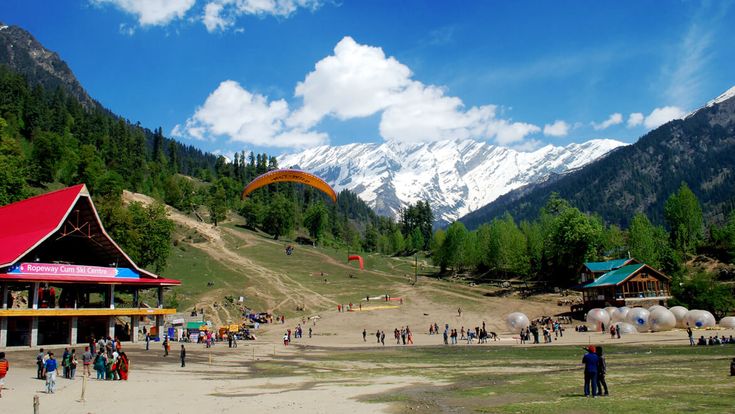
Himachal Pradesh transforms into a striking winter landscape during the colder months, drawing travellers who seek snow, scenery, and slower rhythms of hill life. Between December and February, many parts of the state receive steady to heavy snowfall, covering valleys, forests, and mountain towns in white. The crisp air, clear skies, and bright winter sun create a visual contrast that defines Himachal’s winter charm and makes travel especially rewarding during this season.
- Popular hill destinations such as Shimla, Manali, Kufri, and Dalhousie become winter highlights.
- Shimla, often called the Queen of Hills, blends colonial architecture with snow-lined streets and bustling markets.
- Manali and nearby Solang Valley attract visitors looking for open views of snow-covered peaks, while Kufri is known for winter sports and family-friendly activities.
- Dalhousie offers a quieter escape, with gentle slopes and panoramic Himalayan backdrops.
- Winter in Himachal also appeals to adventure enthusiasts. Skiing, snowboarding, ice skating, and sledge rides are common in select regions, adding excitement to the season.
- For travellers interested in culture, winter brings unique local experiences, including traditional festivals and regional gatherings that continue despite the cold. These events reflect community life and seasonal rhythms shaped by the mountains.
- Beyond activities, the winter atmosphere itself adds to Himachal’s appeal. Snow-laden landscapes, peaceful villages, and the warmth of sunlight during the day create a cosy and romantic setting.
- Well-connected routes to destinations such as Shimla and Manali make travel manageable, while regions like Lahaul and Spiti, Kinnaur, Kullu, and Chamba offer deeper winter experiences for those seeking quieter, high-altitude escapes.
Himachal Pradesh Statehood Day is not only a reminder of the past but also a celebration of living traditions, collective strength, and the state’s continuing contribution to the nation.