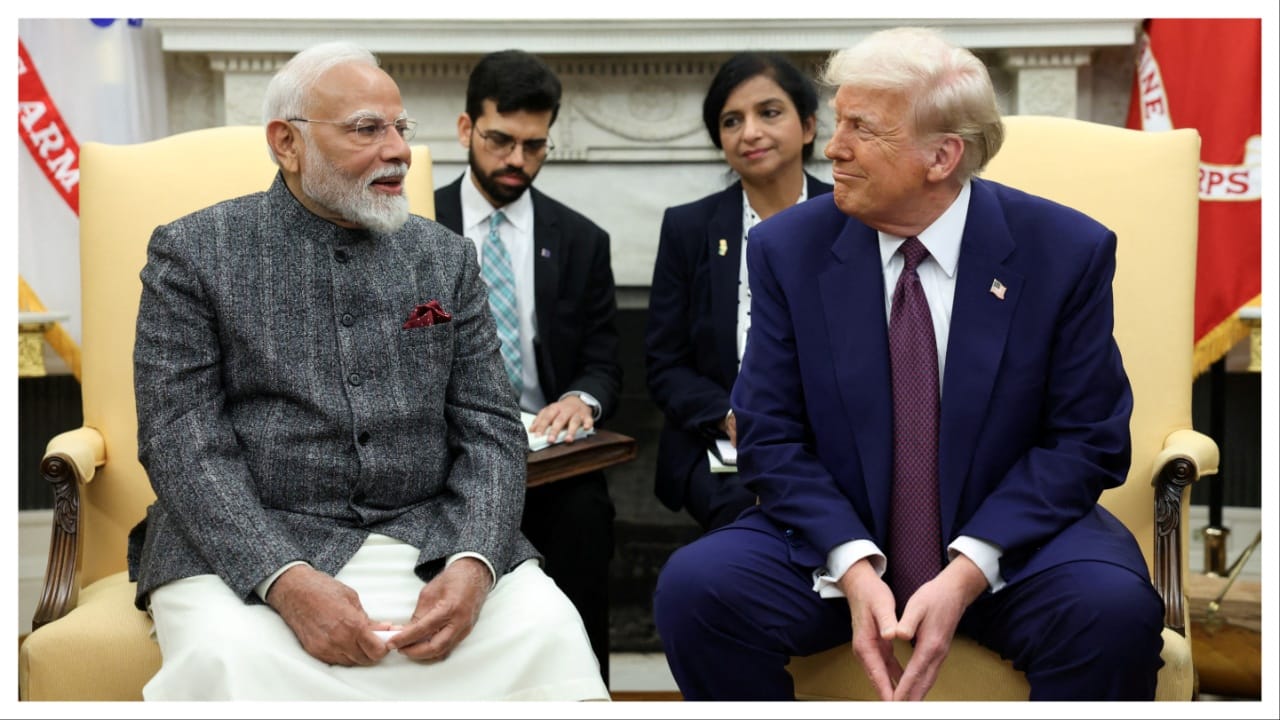
New Delhi: The United States has indicated that it may consider removing the additional 25% tariff imposed on Indian imports over New Delhi’s purchase of Russian oil. The signal came from US Treasury Secretary Scott Bessent who suggested that the measure had achieved its intended outcome and could now be reviewed.
Speaking to Politico on the sidelines of the World Economic Forum in Davos, Bessent said the tariff was introduced after India continued to buy Russian crude. He claimed that following the move, purchases by Indian refineries dropped sharply. According to him that decline showed the policy had worked. While the tariff remains in force for now, he said there appears to be a way forward to lift it.
The US had framed the tariff as a pressure tool aimed at discouraging countries from maintaining energy ties with Moscow amid the Ukraine conflict. India, one of the world’s largest oil importers, had increased its intake of discounted Russian crude in recent years, drawing criticism from Washington.
US sees tariff move as a success
Bessent described the tariff decision as a “success”, noting that Indian refinery purchases of Russian oil had “collapsed” after the penalty was imposed. He added that the duty was still active but hinted that the situation could change given the reported impact on India’s buying behaviour.
He also pointed out that European allies chose not to impose similar penalties on India largely because they were keen to finalise major trade agreements with New Delhi.
Trump’s role and trade pressure
The tariff dispute back to August 2025 when then US President Donald Trump sharply raised duties on Indian goods linking the move directly to India’s energy relationship with Russia. At one stage, tariffs on Indian imports were doubled to 50 percent.
In Davos, Trump struck a more conciliatory tone in remarks to Moneycontrol praising Prime Minister Narendra Modi and expressing confidence that the two countries would eventually reach a trade deal despite tensions.
India has maintained its oil sourcing decisions are driven by national interest and the need to keep energy prices stable. New Delhi has not offered formal assurances on cutting Russian imports even as it navigates growing pressure from Washington over trade and geopolitics.