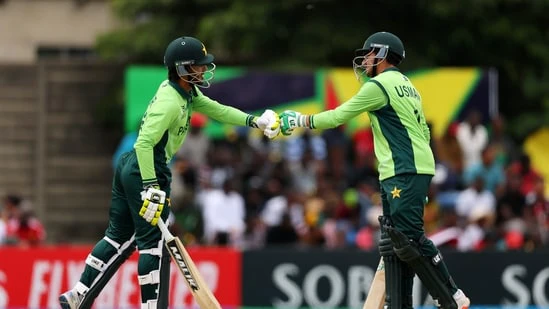
Pakistan U19 beat Zimbabwe by eight wickets at Takashinga Sports Club in Harare on Thursday, but the win that sent them to the Super Six triggered a backlash that had little to do with the performance of the players.
Chasing 129 in a Group C match at the ICC U19 World Cup 2026, Pakistan reached 132/2 in 26.2 overs and booked their place in the second round – while a few overs of “how” ended up writing Scotland’s exit.
Tactical slowdown, Scottish heartbreak and a Super Six loophole
With England and Pakistan already set to progress, the final Super Six ticket from the group came down to net run rate between Zimbabwe and Scotland. Scotland’s cricket was finished, but their fate wasn’t; it was waiting on one last chase.
Pakistan’s pursuit started at a sprint. They were 84 at the end of the 14th over, cruising. Then the innings took a strange turn, boundaries disappeared, dot balls piled up, and the chase slowed to a careful jog even though the required rate remained comfortable. Between the 16th and the 25th overs, Pakistan played 50 dot balls and scored only 27 runs across 10 overs. There was also a stretch of 89 balls without a boundary – until the finish suddenly arrived via two big hits.
The logic sits inside a tournament rider most fans only discover when it hurts. In the Super Six, teams carry forward points and net run rate only from group stage games against the other qualifiers from their group. So it matters not just that you qualify, but who qualifies with you.
Pakistan’s win over Zimbabwe was by a far bigger margin than their win over Scotland. If Zimbabwe qualified, Pakistan would carry forward the Zimbabwe result into the Super Six – and with it a healthier NRR position. If Scotland qualified instead, Pakistan’s carried forward maths would look less flattering. That is why the cut-off overs mattered, and why the chase tempo became the story.
Fans are split. One side calls it sharp thinking and strategy: reading the rules, playing the percentages, protecting your campaign. The other calls it manipulation dressed up as a tactic, arguing Scotland were knocked by a deliberate slowdown they had no choice to counter.
Whether it stays a moral debate or becomes an official matter depends on intent.The ICC’s code allows scrutiny if actions are seen as an attempt to manipulate outcomes for inappropriate strategic reasons, including net run rate.