With smoke filling the cockpit and systems failing, Captain Haug gave the order to evacuate the aircraft.
Major D’Amario later confirmed the bomber was directly above the runway lights of Thule Air Base when the crew prepared to jump.
Six crew members successfully ejected from the plane into the freezing Arctic darkness.
However, co-pilot Leonard Svitenko did not have an ejection seat. He tried to escape through a lower hatch, hit his head, and was unable to survive the fall. His body was later found north of the base.
The crash and nuclear explosions
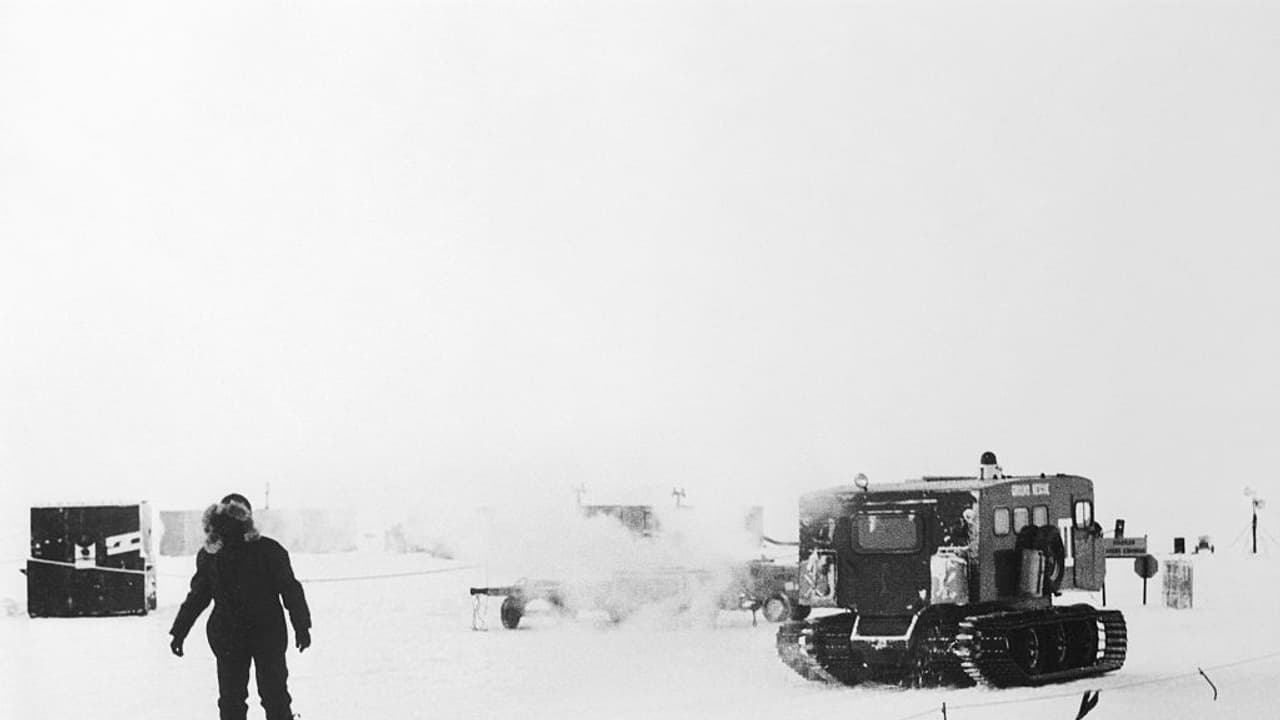
At 3:39 pm local time, the unmanned B-52 plunged into the ice of North Star Bay near Thule.
The impact triggered the conventional explosives inside all four nuclear bombs. While this did not cause a nuclear blast, it shattered the weapons and scattered radioactive material across miles of ice.
Plutonium, uranium, americium, and tritium were released into the environment.
Jeffrey Carswell, a shipping clerk working for a Danish contractor at Thule, recalled the moment clearly.
“The massive building shook as if an earthquake had hit,” he said.