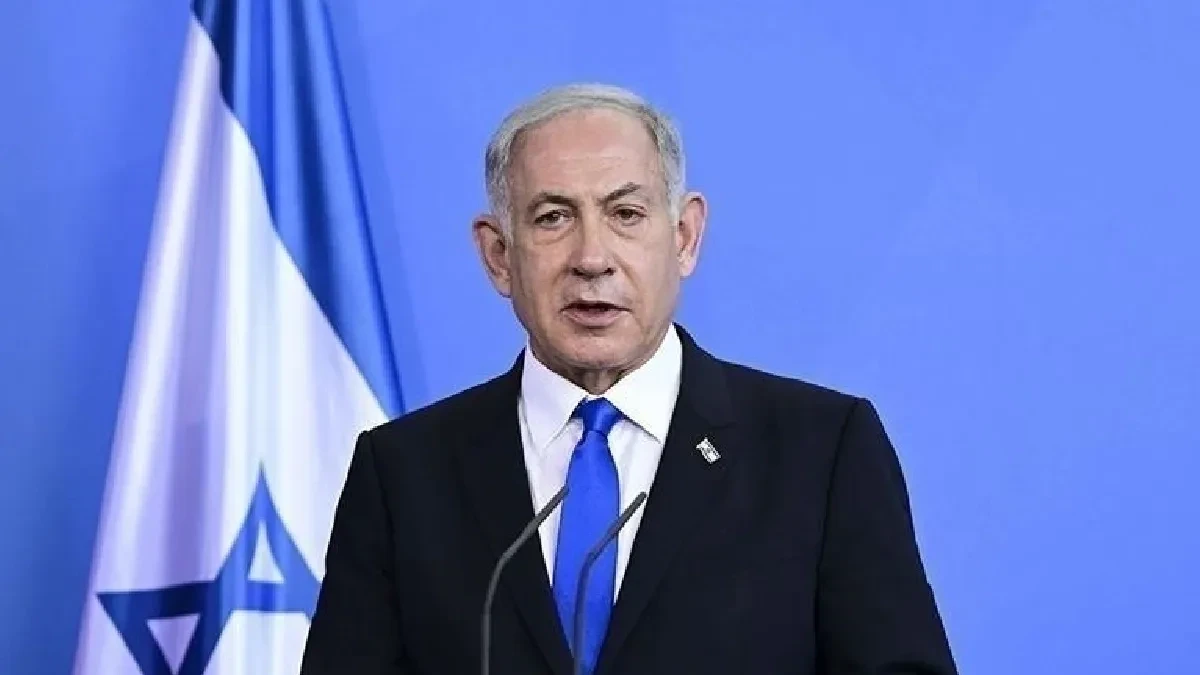
Israeli Prime Minister Benjamin Netanyahu warned Iran of a powerful military reply if Israel were attacked, while a United States aircraft carrier group moved toward the Middle East.
Netanyahu also pushed back against suggested Turkish and Qatari roles in Gaza after the war, signalling disputes with Washington over long-term plans for the enclave.
Addressing a session of the Knesset, Netanyahu said Israel was watching Tehran’s actions very carefully and suggested any clash could permanently change Iran’s situation. He stated that “If it makes a mistake and attacks us, we will act with a force it has not yet known,” according to Xinhua, and added that Iran would not return to its previous condition.
Netanyahu Iran warning and US military movements
Netanyahu’s remarks came as the United States reportedly directed the nuclear-powered USS Abraham Lincoln Carrier Strike Group toward the Middle East. The deployment followed rising friction with Iran, and signalled continued American military involvement in the region. The move added weight to Netanyahu’s warning, linking diplomatic messages with visible US naval power.
At the same Knesset appearance, Netanyahu also discussed proposals for Gaza’s administration once major fighting ended. The ideas, connected to a “Board of Peace” chaired by US President Donald Trump, had mentioned Turkish and Qatari participation. Netanyahu said “We have a certain disagreement with our friends in the United States over the composition of the advisory board that will accompany the processes in Gaza,” and insisted that no Turkish or Qatari soldiers would be permitted to enter the coastal strip.
Israel had long resisted involvement by TÜrkiye in Gaza, and relations with Qatar also remained tense. Despite this, both TÜrkiye and Qatar acted as mediators between Israel and Hamas in various talks. Netanyahu’s latest comments underlined Israeli concerns about security influence in Gaza, even when dealing with countries that helped broker negotiations.
Netanyahu Iran warning and protest death toll claims
While Israel and the United States focused on Iranian actions abroad, activists reported severe repression inside Iran itself. The US-based Human Rights Activists News Agency said at least 4,029 people had been killed during a crackdown on nationwide protests that began on December 28 over worsening economic conditions, and warned that the real figure might be higher.
The organisation estimated that more than 26,000 people had been arrested. It said 3,786 of those killed were demonstrators, 180 belonged to security forces, 28 were children, and 35 were people not taking part in protests. The group said the death toll might rise as further cases were confirmed through its local network.
| Category | Number reported |
|---|---|
| Total deaths | 4,029 |
| Demonstrators killed | 3,786 |
| Security forces killed | 180 |
| Children killed | 28 |
| Non-participants killed | 35 |
| People detained | 26,000+ |
Human Rights Activists News Agency relied on contacts within Iran to check each reported death and had been viewed as credible during earlier unrest. However, The Associated Press said it could not independently verify the numbers. Internet restrictions imposed by Iranian authorities limited outside access to information, making confirmation difficult for international media.
Officials in Iran did not publish any full casualty count. Supreme Leader Ayatollah Ali Khamenei nevertheless said on Saturday that the protests had caused “several thousand” deaths. It was the first time a senior Iranian leader publicly hinted at the scale of casualties. Khamenei blamed the United States for the deaths and unrest across the country.
The activists’ organisation warned that mass detentions raised the risk of death sentences for some protesters, noting Iran’s history as one of the world’s