
BCCI may overhaul its central contracts, with the selection committee recommending scrapping the A+ category. This could simplify pay tiers and see senior players like Rohit Sharma and Virat Kohli demoted to a lower grade.
The Board of Control of Cricket in India (BCCI) is set to make a major overhaul to its central contract system in its next apex council meeting, which is likely to take place soon. The meeting is expected to be chaired by Mithun Manhas, who was appointed as the BCCI president in September 2025.
The current central contract system has four categories/grades – A+, A, B, and C. The A+ category represents the highest-paying tier, reserved for elite all-format players offering an annual retainer of around INR 7 crore, while the players in the A grade get an annual pay of INR 5 crore. The B category is the second-lowest in BCCI’s central contract system, with an annual pay of INR 3 crore, and the C grade, which is the entry-level tier, offers players an annual retainer of INR 1 crore.
The players are categorised into each grade depending on their performance, consistency across formats, seniority, and contributions to the national team, with the A+ grade reserved for the most experienced and high-performing all-format cricketers.
Selectors Recommend to Scrap the A+ Category
Ahead of the Apex Council Meeting, the BCCI selection committee, led by Ajit Agarka,r has recommended to the top brass of the board that the A+ category be scrapped and leave only three categories – A, B, and C.
The A+ category was introduced to the BCCI central contract system back in 2017-18 under the Supreme Court-appointed administration in order to recognise the elite Indian cricketers with a premium pay tier, with players like Virat Kohli, Rohit Sharma, Shikhar Dhawan, Bhuvneshwar Kumar and Jasprit Bumrah among the first names included.
Since 2017-18, the A+ has been the highest category, followed by A, B, and C, with each subsequent tier offering lower annual retainers, depending on the players’ performance and consistency across all formats of the game. Now, the premier pay tier, A+, is likely to be discontinued by the BCCI.
Scroll to load tweet…
The recommendation for the removal of the A+ category from the central contract system was made by the current selection committee, but the top brass of the Board of Control for Cricket in India (BCCI) will take the final decision during the upcoming apex council meeting after reviewing all implications for players and the overall contract structure.
Why BCCI May Scrap A+ Category?
The recommendation by the selection committee is yet to be approved by the BCCI, as the board needs to deliberate on the proposal and take a final call. However, there is a likelihood of the board scraping the A+ category if it decides to simplify the contract structure, ensuring a more balanced pay system across players and focus on performance-based grading rather than seniority level or past achievements.
The current India squad lack ‘all-format’ icons with the retirements of Virat Kohli and Rohit Sharma from the T20Is and Tests, making it harder to justify a separate A+ tier. Currently, Jasprit Bumrah is the only all-format player in the premium pay tier, as Ravindra Jadeja retired from T20Is and plays only Tests and ODIs. Therefore, the A+ category no longer meets the strict ‘all-format’ eligibility criteria.

The selection committee, led by Ajit Agarkar, is reportedly looking at generational transition by promoting young players who perform consistently across all formats of the game and aligning the central contract structure with the current composition of the national side. The removal of the A+ category may allow the BCCI to simplify the pay tiers, reduce the sharp elite pay gap and avoid rewarding players who no longer fulfil all-format criteria.
Additionally, the selectors are backing players who are committed to playing domestic cricket, which the board mandates for all contracted Indian cricketers. In the past, players who missed or withdrew from domestic tournaments, such as Shreyas Iyer and Ishan Kishan in 2024, lost their central contracts.
Therefore, the board will be aiming to incentivise players with their active participation across all formats of the game and the commitment to domestic cricket, ensuring that central contracts reward current performance, fitness, and consistent contribution rather than their past reputation or seniority level.
Rohit Sharma and Virat Kohli to be Demoted to the Grade B Category
If the Board of Control for Cricket in India (BCCI) approves the recommendation by the selection committee, the central contract system will only have three tiers – A, B, and C, with veteran Indian batters, Rohit Sharma and Virat Kohli, being demoted from the A+ to the B category.
Rohit and Kohli retired from the Tests and T20Is and are focusing only on ODI cricket, so they’ll likely move to the B category, reflecting their reduced all-format role. This means the former India captains are likely to take a pay cut of 4 crore, receiving INR 3 crore annually under the B category instead of the INR 7 crore they earned in the A+ tier. Ravindra Jadeja is also likely to be demoted as he now plays only Tests and ODIs, no longer qualifying as a full all-format player for the top-tier pay.
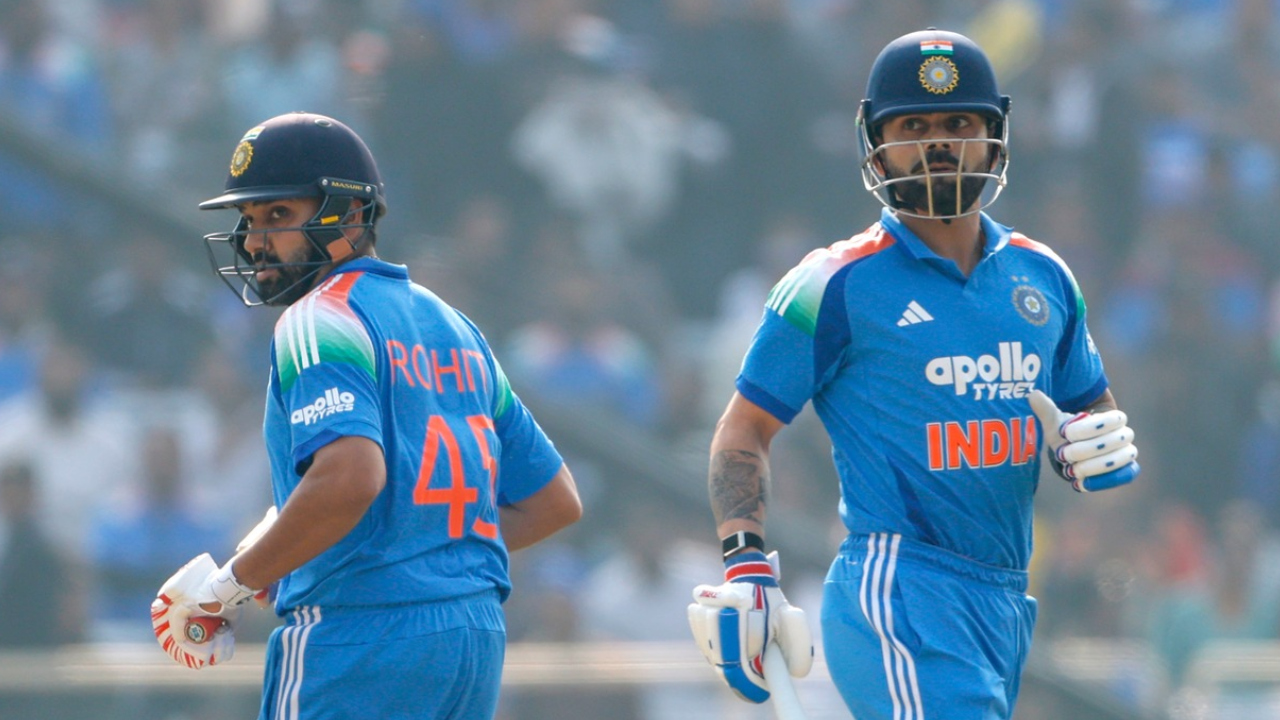
Meanwhile, Jasprit Bumrah is expected to retain his place in the top-tier, with Test and ODI captain Shubman Gill joining him in the A category. There is unlikely to be any change in the pay structure, with Bumrah and Gill continuing to receive the A category retainer of INR 5 crore annually, while the B category players like Rohit, Kohli, and Jadeja receive INR 3 crore, and the C category players retain INR 1 crore.
It remains to be seen whether the board will finalise the removal of the A+ category and officially reassign the senior players like Rohit Sharma, Virat Kohli, and Jasprit Bumrah to lower tiers when the revised central contract structure is announced after the apex council meeting.