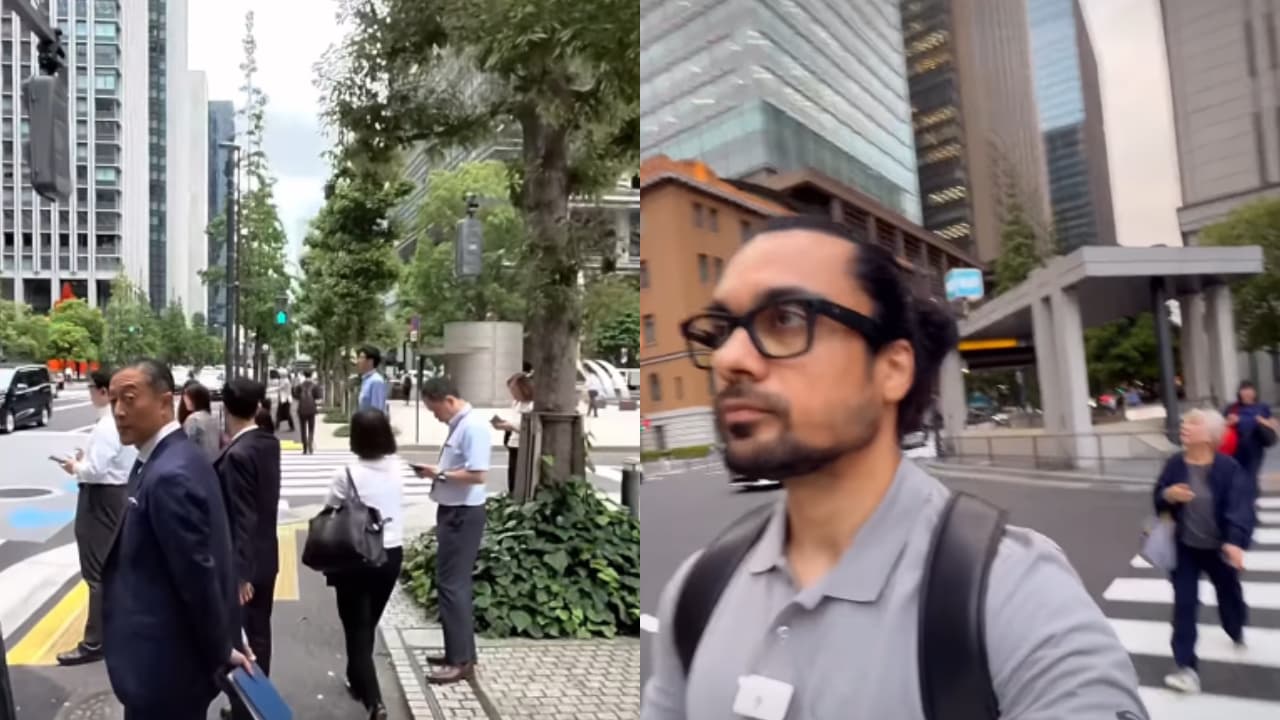
An Indian man who has worked in Japan for 10 years has gone viral after sharing insights into the country’s office culture. From punctuality and paid overtime to no work calls after office hours, his Instagram video sparked widespread discussion online.
An Indian professional who has been living and working in Japan for the past 10 years has gone viral on social media after sharing insights into Japanese office culture. In a video posted on Instagram, Ankit Purohit explained how workplace discipline, punctuality, respect and teamwork shape everyday professional life in Japan. His observations have resonated with thousands of viewers, with many praising the country’s work culture and expressing interest in working there.
Indian in Japan Shares Insights Into Workplace Culture
Taking to Instagram, Ankit Purohit shared a video explaining that securing a job in Japan may not be the most difficult part, but understanding the country’s workplace culture is essential.
“In Japan, getting a job is not difficult, but understanding Japan’s office culture is quite essential. I have been working in Japan for the last 10 years, and today I will show you what Japan’s office work culture is like,” he said.
According to Purohit, punctuality is one of the most important aspects of working in Japan.
“In Japan, a lot of respect is given to time. So, if you are going to the office and your office starts at 9:00 am, you have to reach the office before 9:00 am. In Japan, even the company’s CEO comes to the office by train, so there is no comparison regarding who comes to the office by car, who comes by bike, and who comes by train,” he added.
Lunch Breaks, Elevator Etiquette and Overtime
Purohit also highlighted several workplace practices that distinguish Japanese offices from many others around the world.
He explained that lunch breaks are generally observed from 12 pm to 1 pm and are considered employees’ personal time. He also noted that most Japanese employees prefer buying bento meals from convenience stores instead of bringing lunch from home.
Speaking about office etiquette, he said that people standing near the elevator controls are expected to keep the door open until everyone has exited and leave the elevator last.
He further explained that employees are compensated even for 15 minutes of overtime. Once they have logged out for the day, managers generally do not contact them for additional work or ask them to work on their days off.
What the Caption Said?
Alongside the video, Purohit shared a detailed caption describing the values that define Japanese workplaces.
He wrote that working in Japan is about becoming part of a culture that values discipline, respect, responsibility and teamwork.
According to the caption, the key characteristics of Japanese office culture include punctuality, professionalism, effective communication, teamwork, quality-focused work and continuous learning. Employees are expected to be ready to work before office hours begin, treat everyone with respect regardless of their position, communicate delays or issues in advance, prioritise collaboration over individual success, focus on delivering quality work and continuously improve their skills while adapting to new technologies and processes.
Reflecting on his decade-long experience, Purohit said these workplace habits not only help people become better employees but also contribute to personal growth.
How Did Social Media React?
The video attracted widespread attention, with many social media users appreciating the values highlighted in Japanese workplaces.
One user commented: “People in Japan still value and respect each other.”
Second user commented: “Lovely, this feels like a Japanese abelongs for a different dimension of the universe.”
Third user commented: “I would love to work in Japan.”