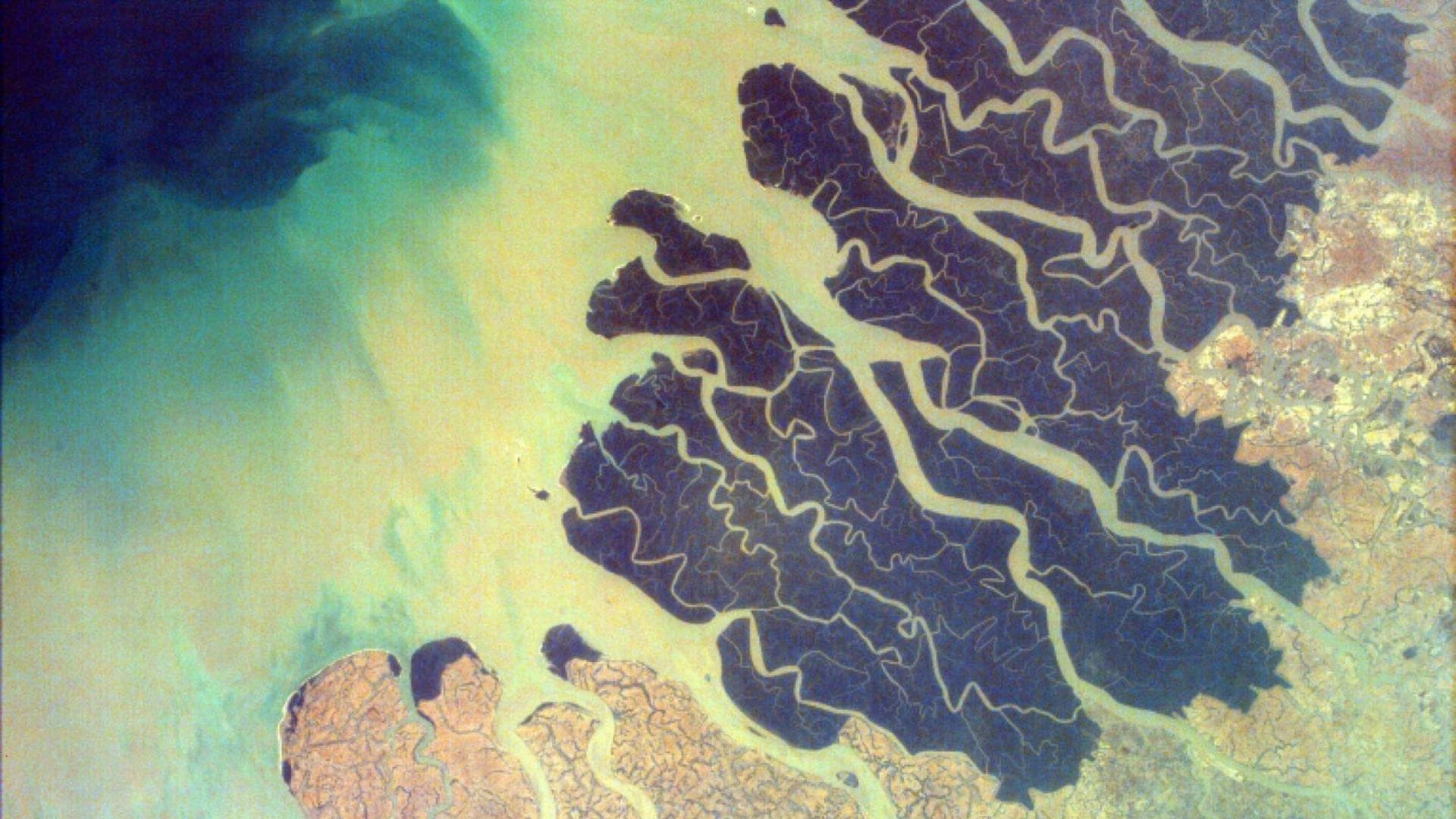
New Delhi: For the first time, scientists have comprehensively studied the sinking of 40 river delta systems around the world, using satellite radar data. Over 236 million people around the world are exposed to flooding risk in the near future because of the sinking of the river deltas. The researchers were able to quantify the contributions of specific human drivers, groundwater extraction, sediment starvation and urbanisation. The extraction of groundwater by humans is the main culprit in over 35 per cent of the studied deltas. Many of the delta regions are sinking at more than double the present rate of global sea-level rise.
The subsidence of the river delta and the rising sea levels are additive, leading to increased flooding and submergence of delta regions. For coastal communities, the immediate threat is the ground sinking beneath their feet, not just sea level rise driven by climate change. In India, the Kabani river delta is not sinking, the Cauvery, Godavari and Ganges deltas are sinking at rates between two and four mm per year, while the subsidence is most acute in the Mahanadi and Brahmani deltas, that are sinking at rates between six and eight mm per year. The dominance of subsidence persists even in comparison to the worst-case scenarios of projected sea level rise.
Addressing subsidence is key to reducing vulnerability of coastal communities
A paper describing the research has been published in Nature. Co-author of the paper, Robert Nicholls says, “The dominance of subsidence over sea-level rise is striking. In every delta that we monitored at least some portion is sinking faster than the sea surface is rising. In many densely populated deltas, like the Mekong, Chao Phraya and Nile, vast areas are sinking faster than current sea-level rise rates threatening many millions of people. Measures to address subsidence are complementary to adapting to rising seas, and dealing with subsidence makes us less vulnerable to rising seas.”