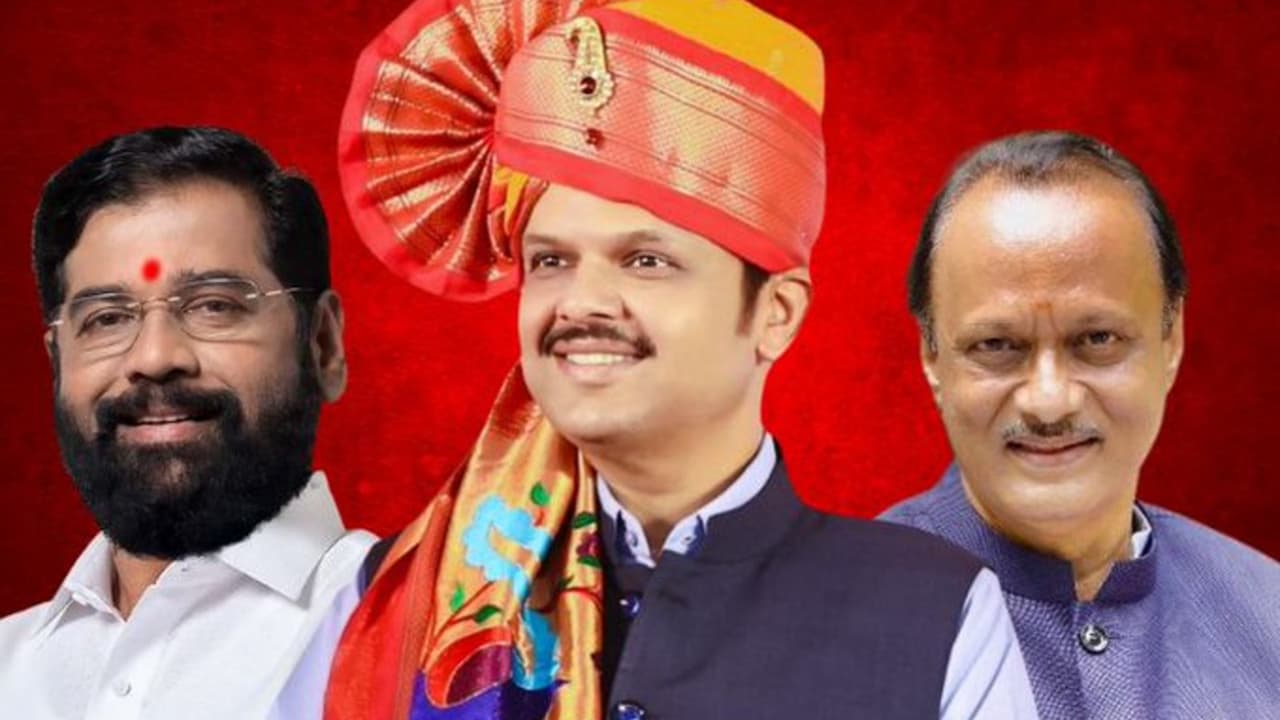
After 2026 BMC elections, intense political maneuvering has begun. The BJP emerged as the largest party but lacks a majority. Eknath Shinde’s Shiv Sena faction, which holds the key to power, has moved its corporators to a hotel to prevent defections.
The aftermath of the 2026 Brihanmumbai Municipal Corporation (BMC) elections has triggered intense political manoeuvring in Maharashtra, spotlighting deepening rifts between Shiv Sena (UBT) leader Uddhav Thackeray and Deputy Chief Minister Eknath Shinde’s Shiv Sena faction as well as the Bharatiya Janata Party (BJP).
The election outcome, which saw the BJP emerge as the single-largest party with 89 seats in the 227-member civic body but falling short of the majority mark of 114, has set the stage for a complex alliance and leadership tussle.
Eknath Shinde’s faction, which secured 29 corporators, has taken an unusual step by moving all its newly elected members to a five-star hotel in Bandra, an action widely perceived as a strategic measure to consolidate its camp and prevent any potential defections during key discussions on power-sharing and governance.
According to party sources, the corporators have been directed to stay at the hotel for several days as negotiations proceed, a move aimed at averting horse-trading or poaching by rival political formations. Shinde’s loyalists stress that the gathering is meant to “help them refresh” and plan the roadmap for BMC governance, including implementation of their manifesto and developmental strategies.
Despite political speculation, Maharashtra Chief Minister Devendra Fadnavis has downplayed the hotel episode and categorically denied any talk of poaching elected corporators.
“Just like I am meeting newly-elected BJP corporators in Pune, Eknath Shinde may have called them for a meeting in Mumbai. There is no question of poaching at all,” Fadnavis said, stressing that decisions on the Mayor’s position and other leadership roles would be taken jointly by Mahayuti (the BJP-Shinde alliance) leaders.
He asserted that the process will be smooth and collaborative, and affirmed that the alliance will decide the Mayor’s post together after further consultations.
However, Uddhav Thackeray, whose Shiv Sena (UBT) suffered a setback in its longtime stronghold of Mumbai, has responded with sharp rhetoric and political defiance. In a party editorial published in Saamana, UBT accused Shinde of being overly aligned with the BJP and questioned whether the traditional practice of Shiv Sena mayors in Mumbai — 23 to date — would continue under the current alliance dynamics.
“Those who had once abandoned a party can do it again,” Thackeray said, hinting at concerns of potential defections within Shinde’s camp and casting doubt on the stability of the alliance.
Thackeray has also expressed confidence that his faction will still vie successfully for the BMC’s mayoral post, stating, “It is my dream to install a Shiv Sena (UBT) mayor in Mumbai and, if God is willing, this dream will be realised.” His remarks reflect both political resilience and strategic optimism even as the UBT navigates a diminished electoral footprint.
Political observers note that the numbers in the BMC leave the Shinde-BJP combine with a clear majority, but underscore that both partners must negotiate the distribution of key posts such as the Mayor and Standing Committee chairmanships in a way that respects the interests of both coalition members. Senior Sena leaders have emphasised that the Shinde faction, given its crucial support, is justified in asking for an initial 2.5-year term for the mayor’s office, with the BJP potentially taking the second half of the tenure — a power-sharing formula that could help maintain alliance unity while balancing competitive aspirations.
The solution to these political intricacies is expected to unfold over the coming days, especially once key leaders such as CM Fadnavis return from international engagements — including his scheduled departure for the World Economic Forum at Davos — and formal discussions resume on finalising leadership roles within the civic body.
Meanwhile, the strained relations between the factions illustrate the fragility of political alliances in Maharashtra and underscore that the real politics in Mumbai is just beginning, even after the election results are out.