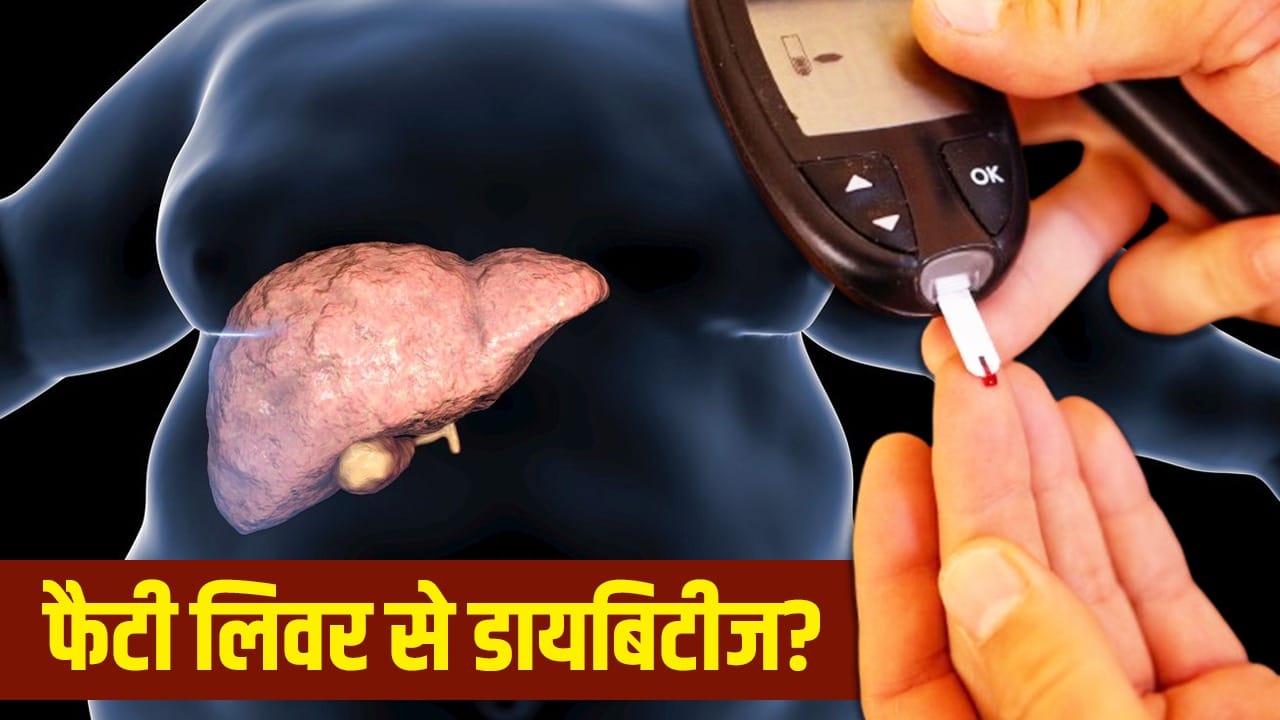
Fatty Liver and Diabetes Image Credit source: Getty Images
In today’s time, the problem of fatty liver is increasing rapidly and it is not limited only to elderly people. Youth are also falling prey to this due to wrong eating habits, less physical activity and spoiled lifestyle. Fatty liver occurs when excessive fat starts accumulating in the liver. This condition affects the normal functioning of the liver and gradually affects the metabolism of the body. In such a situation, it starts affecting the sugar level and insulin in the blood, which can increase the risk of diabetes.
fatty liver Sometimes it may also be due to genetics or some medicines. Its symptoms are not easily visible in the initial stage, hence people often ignore it. But with time this condition starts affecting the sugar level and insulin in the body. In such a situation, it is important to understand how fatty liver increases the risk of diabetes, what are its symptoms and what can be done to prevent it.
How does fatty liver increase the risk of diabetes?
Dr. L.H. at Lady Hardinge Hospital. fraudster It is said that liver plays an important role in controlling sugar in the body. When excess fat accumulates in the liver, its normal functioning starts getting affected. This does not have the right effect on insulin in the body. Due to this the sugar level in the blood starts increasing. In case of fatty liver, the liver can release more glucose than necessary, which makes it difficult to control blood sugar.
Gradually this condition promotes insulin resistance, which is considered a major cause of diabetes. Having fatty liver for a long time also puts more pressure on the pancreas. In this way there is a direct and deep connection between fatty liver and diabetes.
What are the symptoms?
When the risk of diabetes increases in the body due to fatty liver, some signs may appear. It is a common symptom for a person to feel tired again and again and feeling weak without much work. Feeling excessive thirst and frequent urination can also be signs.
Rapid weight gain, especially accumulation of fat around the stomach, indicates danger. Some people feel more hungry, but still lack energy. Symptoms also include dry skin, delayed wound healing and frequent infections. If such signs are seen, it is necessary to get tested.
What to do?
Change in lifestyle is necessary to reduce the risk of fatty liver and diabetes. First of all, focus on controlling your weight. Stay away from fried and overly sweet things. Do a short walk or light exercise every day.
Reducing or completely stopping alcohol consumption can be beneficial. Keep getting your blood sugar and liver checked from time to time. If any symptoms are seen, it is important to consult a doctor.