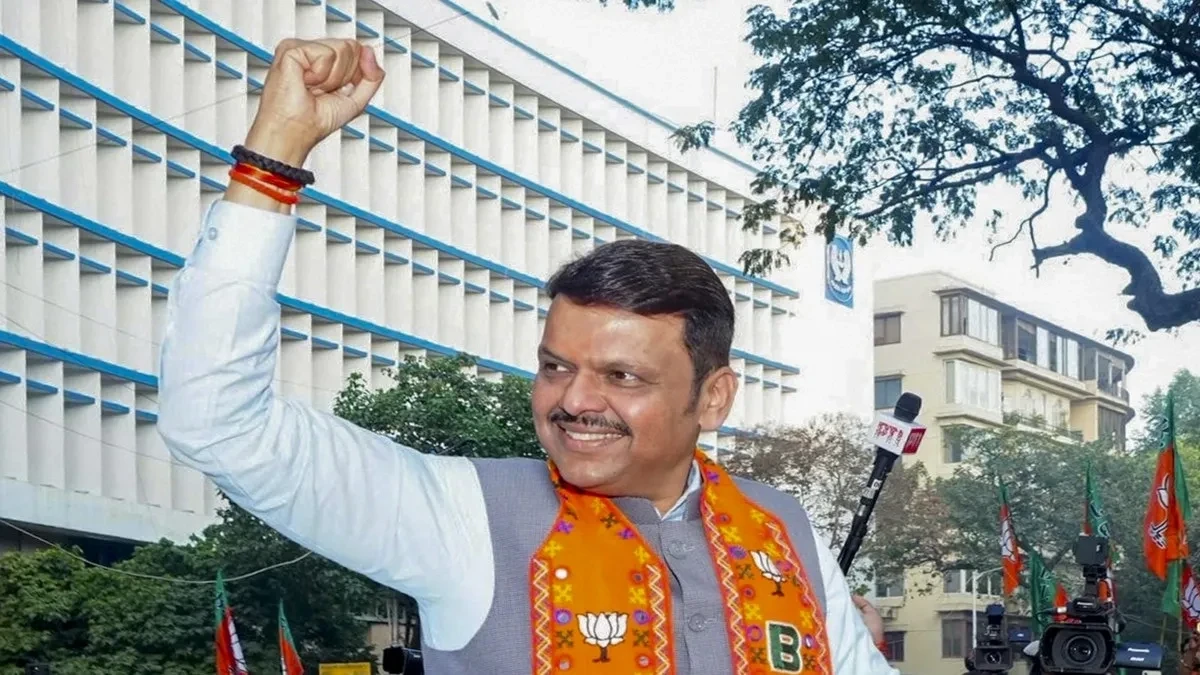
The results have firmly established Chief Minister Devendra Fadnavis as the most influential force in Maharashtra politics, with the BJP emerging as the single largest party in the country’s financial capital.
In a performance that surpassed its own previous record, the BJP won 89 of the 227 wards, improving on its 2017 tally of 82 seats. Its ally, the Shiv Sena led by Deputy Chief Minister Eknath Shinde, secured 29 seats, taking the National Democratic Alliance (NDA) total to 118-well above the halfway mark of 114 required to control the civic body.
The scale and spread of the BJP’s victory underline its deepening hold over urban Maharashtra. From South Mumbai to the suburbs, the party expanded its footprint, converting governance-focused campaigning into electoral gains. The mandate also reflects voter endorsement of the Fadnavis government’s development narrative and its emphasis on infrastructure, transparency, and administrative efficiency.
While the Shinde-led Shiv Sena managed to retain a presence in the BMC, the results highlighted the challenges it faces in reclaiming the party’s traditional urban base. Despite inheriting much of the undivided Sena’s organisational structure following the 2022 split, the faction’s seat count remained limited to 29 wards.
Uddhav Thackeray’s Shiv Sena (UBT) finished with 65 seats, a drop from the 84 wards won by the undivided party in 2017. Though the result shows that the Thackeray brand still commands loyalty in pockets of the city, it also confirms that the era of Sena’s uncontested control over Mumbai’s civic administration has ended.
The Congress continued to struggle for relevance in the city, winning just 24 wards despite contesting over 150, while the Maharashtra Navnirman Sena (MNS) secured six seats. AIMIM, meanwhile, modestly improved its presence, increasing its tally from two seats in 2017 to eight this time.
Beyond the numbers, the BMC verdict carries a strong political message from urban voters. The election is being seen as a vote of confidence in Chief Minister Devendra Fadnavis’ leadership and his vision of a “Developed Maharashtra,” particularly in cities where infrastructure delivery and governance outcomes matter most.
A key architect of the BJP’s success has been state unit president Ravindra Chavan, whose focus on organisational expansion strengthened the party well ahead of the polls. After assuming charge last year, Chavan prioritised grassroots mobilisation, enrolling over 1.5 crore primary members across Maharashtra-a move that ensured the BJP entered the civic elections with unmatched booth-level strength.
With control of the BMC now firmly in BJP hands, the results signal not just a civic victory, but a decisive realignment of Mumbai’s political order-one that places the BJP-led alliance at the centre of the state’s urban future.