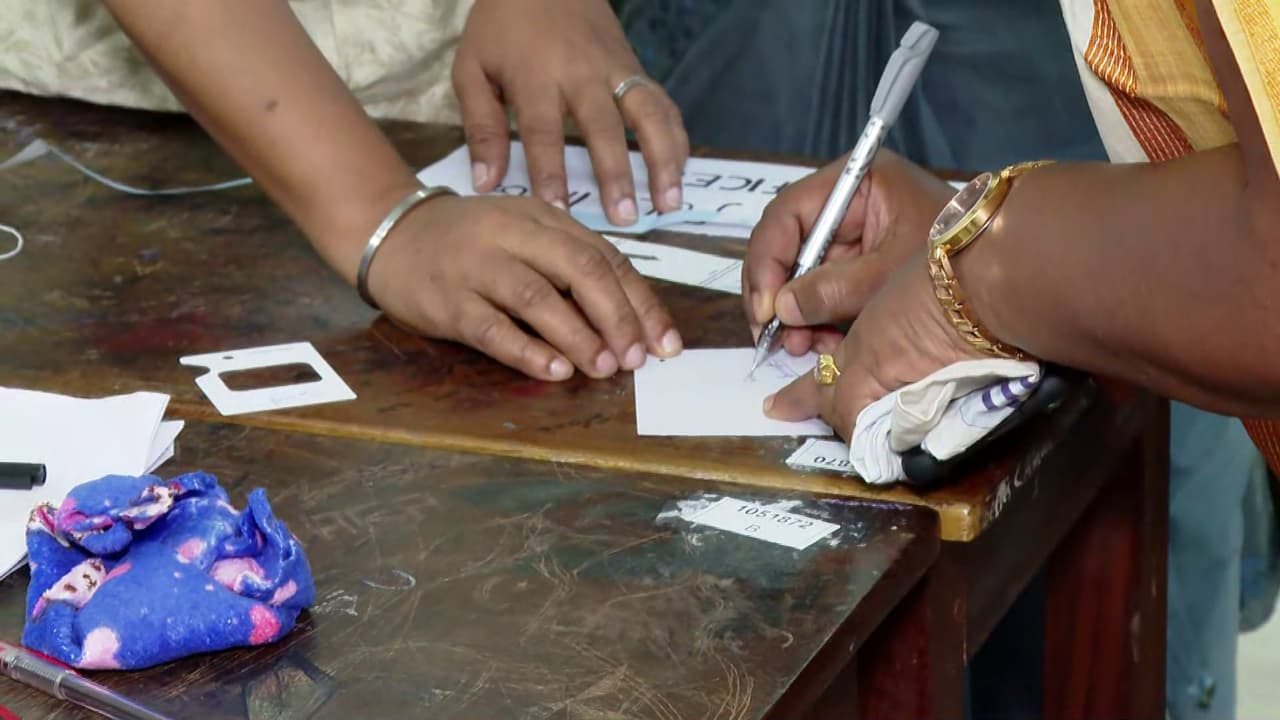
Elections for 29 municipal corporations are underway in Maharashtra, including the crucial Brihanmumbai Municipal Corporation (BMC), India’s wealthiest.
Mumbai and the wider state of Maharashtra are witnessing intense political drama on January 15, 2026, as voting unfolds for the Brihanmumbai Municipal Corporation (BMC) — India’s richest civic body — and 28 other municipal corporations across the state.
Polling began at 7:30 am and will continue till 5:30 pm, with counting of votes scheduled for January 16. More than 3.48 crore eligible voters across Maharashtra are choosing representatives among 15,931 candidates, including approximately 1,700 contesting for 227 BMC seats alone.
In Mumbai, the election has turned into a high-stakes three-cornered fight. The traditional dominance of the undivided Shiv Sena has fractured, transforming the civic polls into a broader contest of political legitimacy. The cousins Uddhav Thackeray and Raj Thackeray, once bitter rivals, have united their political forces to reclaim influence in the BMC — a seat of power they once held for more than two decades.
Challenging them is the BJP-led Mahayuti alliance, which includes the Eknath Shinde faction of Shiv Sena. This alliance is pushing to consolidate its hold after recent local election success and dominant performance in the 2024 state elections. The Nationalist Congress Party (NCP) and Congress are also important players in the complex electoral landscape, contesting independently in several wards and expressing strong opposition to rival nominations.
Election authorities and local government bodies have taken numerous logistical and security measures to ensure a smooth voting process. Over 25,000 police personnel are deployed in Mumbai alone, and innovative tools like geofencing technology for election vehicles are being used to monitor operations in real-time.
The outcome of the BMC elections carries political significance far beyond local governance. Control over Mumbai’s municipal body — with a budget exceeding ₹70,000 crore — could shift momentum ahead of future legislative and assembly elections. Results will not only reveal who controls the city’s administrative machinery but may also reflect deeper voter sentiment in Maharashtra’s shifting political terrain.