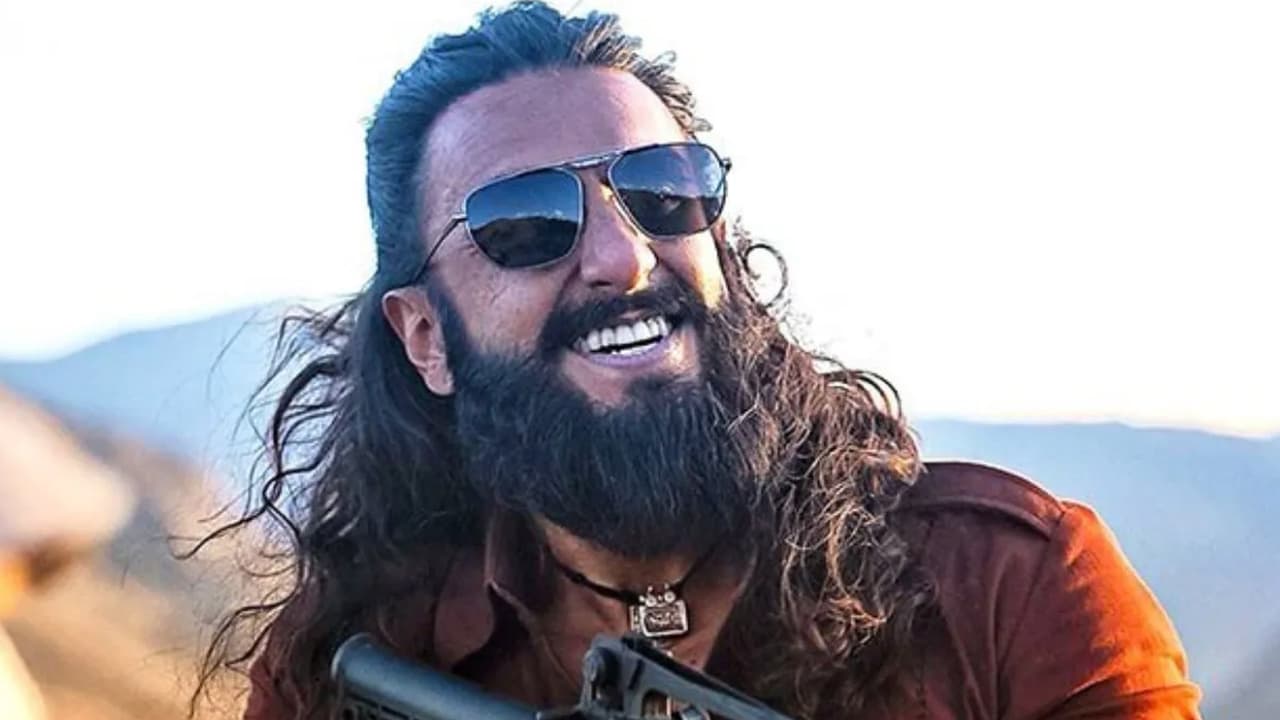
Ram Gopal Varma Explains the Power of Ranveer Singh’s Performance: “When all these people are cheering when the 26/11 attacks are happening. Your eyes only are on Ranveer”
Speaking about Ranveer Singh in Dhurandhar, Varma highlights exactly why the actor’s performance has struck such a deep chord—its intelligence, restraint, and refusal to rely on conventional heroics.
As Varma puts it: “The intelligence of Dhar and more than that of Ranveer Singh. Of course Ranveer Singh would have made to be seen it by Dhar obviously…When all these people are cheering when the 26/11 attacks are happening. Your eyes only are on Ranveer and he doesn’t even have a dialogue, He doesn’t change expressions because he can’t make it obvious what he is feeling inside. So I think that is taken for granted. Because we are so use to see films where the hero has the best punch lines, the hero has this and he comes in slow motion… To my knowledge at least, maybe barring 3-4 shots of Ranveer Singh, all other actors have slow-motion shots except for Ranveer Singh.”
This observation cuts to the core of what makes Ranveer’s work in Dhurandhar so powerful.
In a cinematic landscape conditioned to equate impact with punchlines, background scores, and slow-motion entries, Ranveer achieves dominance by doing the opposite. He allows silence to speak, stillness to convey turmoil, and inner conflict to register without external cues. Even in moments of collective chaos and heightened emotion, the camera—and the audience’s attention—gravitates towards him.
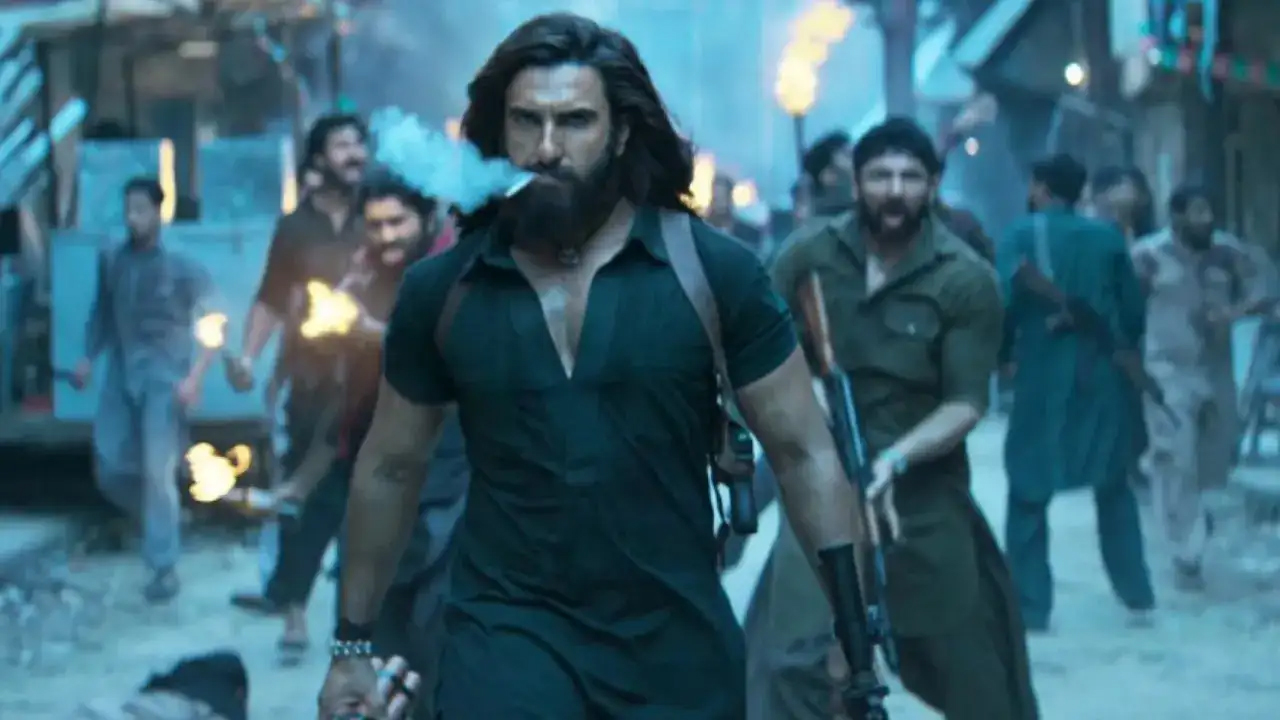
Audiences, critics, and members of the film industry have unanimously lauded this controlled and nuanced portrayal. Many have called it one of Ranveer Singh’s finest performances, praising how he suppresses obvious emotion to reveal something far more unsettling and real.
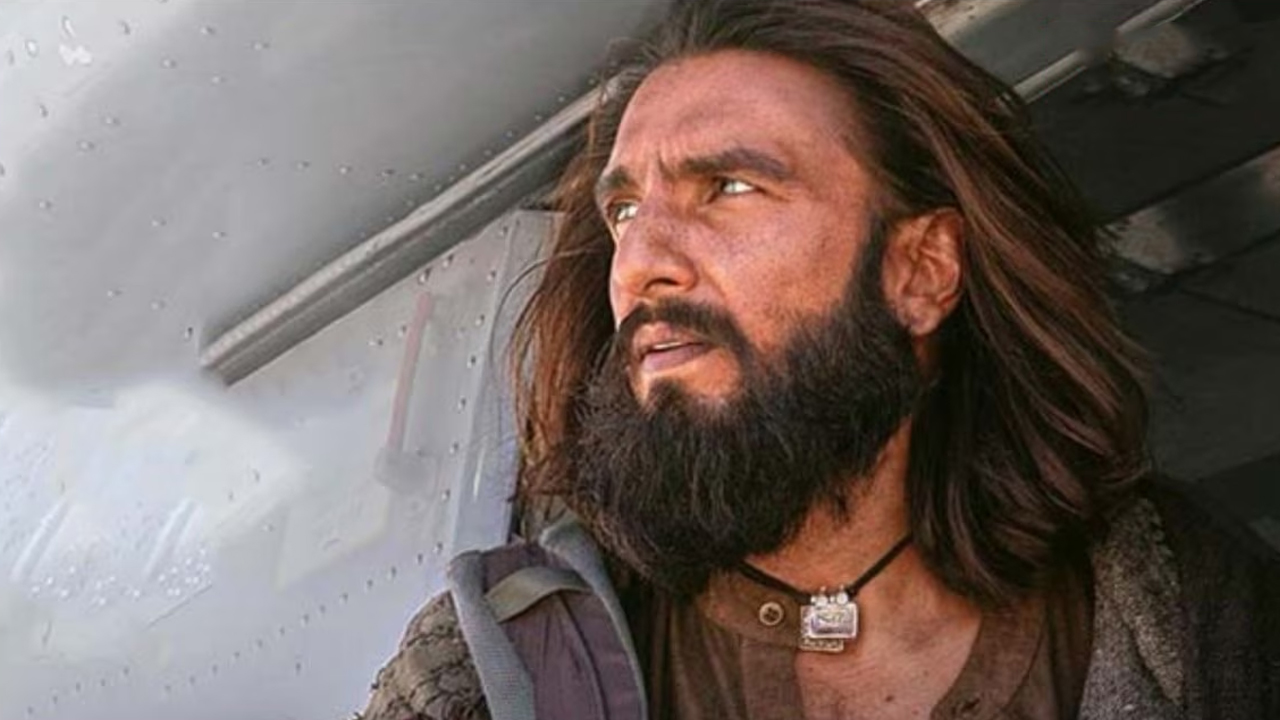
After the explosive Hamza fever of Dhurandhar Part 1, where Ranveer redefined mass appeal and shattered box-office records, Part 2 promises to deepen the narrative by exploring the character’s backstory as Jaskirat. This shift—from spectacle to psychology—sets the stage for an even more compelling arc, allowing audiences to understand not just what the character does, but who he is and why he became that man.
If Part 1 has already created history at the box office, the question now looms larger than ever: what happens if Part 2 carries the same momentum? Should that occur, Ranveer Singh will move into truly undisputed territory—beyond benchmarks, beyond comparisons. And the inevitable question will no longer be about numbers alone, but legacy: will anyone, in the foreseeable future, be able to match his stature?