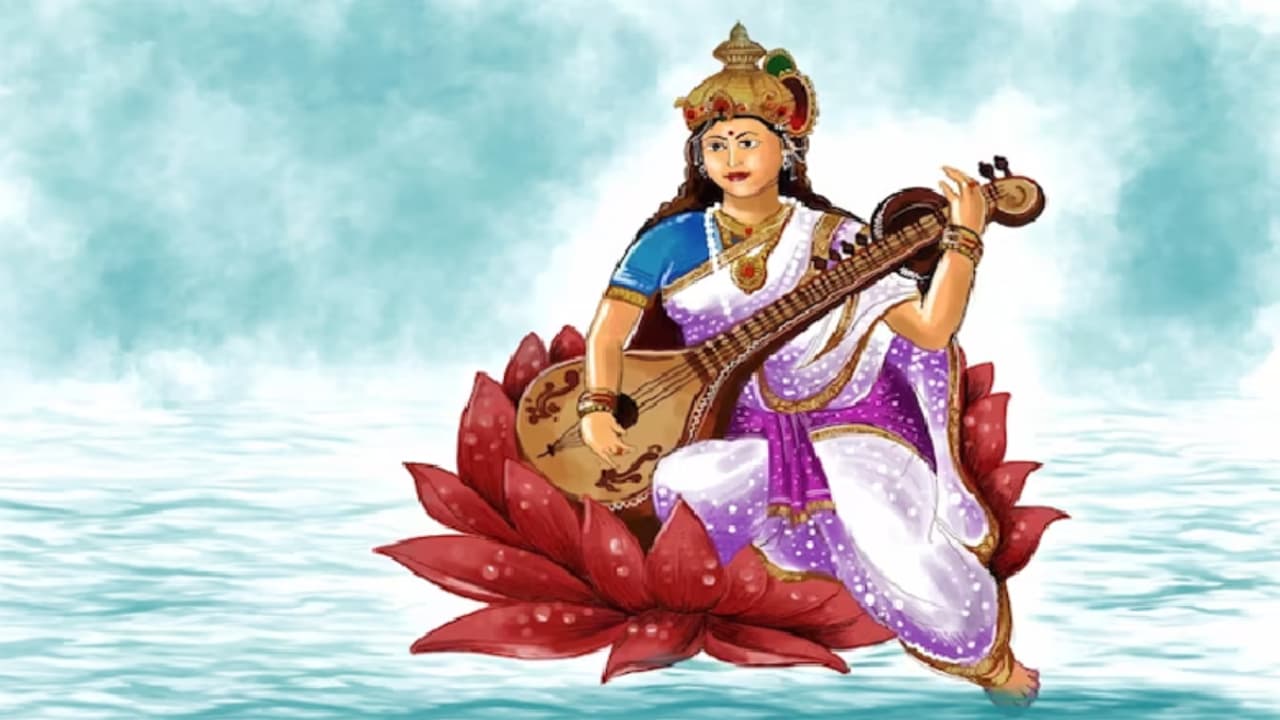
<p>This article explains the significance of Saraswati Puja and Basant Panchami, to be held on Friday, 23 January. It details the story of Goddess Saraswati’s appearance, traditions like ‘Hate Khori,’ kite flying, and various customs.</p><img><p>Saraswati Puja 2026: Basant Panchami marks the end of winter and start of spring. Nature renews itself with new leaves and buds. Fields glow with yellow mustard crops. It’s believed Goddess Saraswati appeared on this day, so a special puja is held for her. </p><img><p>In North India, yellow is very important on this day. Everyone wears yellow and offers yellow clothes and flowers to the deity. Basant Panchami is on Friday, 23 January. On this day, learn some special things about Basant Panchami.</p><img><p>It’s said that before Goddess Saraswati’s birth, the world was silent. When she appeared on Basant Panchami, her veena’s sound gave voice to all beings. Lord Krishna then blessed her, dedicating the day to her worship as the goddess of knowledge, speech, and music.</p><img><p>On Basant Panchami, after book worship, kids are taught to write for the first time. This is believed to make them sharp and earn Saraswati’s grace. Kite flying is also popular, a tradition that came to India from China via Korea and Japan.</p><img><p>Basant Panchami is celebrated with sweets across India. Bengal offers boondi laddu and sweet rice. Bihar has kheer and malpua, while Punjab serves corn bread and mustard greens. In Uttar Pradesh, yellow sweet rice is made as prasad.</p><img><p>On Basant Panchami, wood is collected for Holika Dahan. 40 days later, Holika Dahan is performed before Holi. It’s also said Lord Rama visited Shabari’s ashram in Dandakaranya on this day. Locals still worship a rock where they believe he sat.</p>