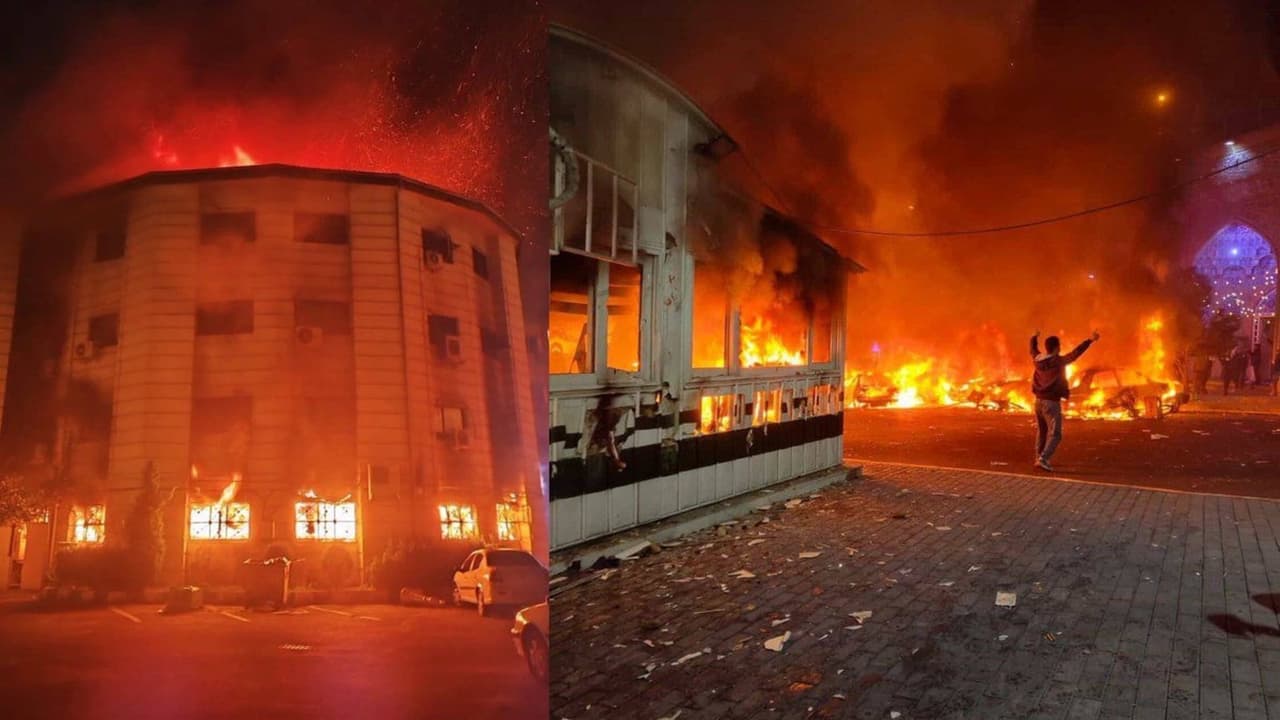
Iran is facing its worst unrest in years as protests spread across the country. An opposition outlet claims 12,000 people were killed in the brutal crackdown, far higher than official estimates.
Iran’s ruling establishment is facing what analysts are calling its most serious internal challenge in years, as nationwide protests enter their third week and claims vary widely over the scale of the crackdown. Iran International, an Iranian opposition website based abroad, has claimed that at least 12,000 people have been killed by Iranian security forces in recent days, calling it “the largest massacre in Iran’s modern history”.
This figure is much higher than commonly reported estimates, which according to human rights organizations put the death toll so far at several hundred. Iran International said its information was gathered and cross-referenced from multiple sources, including Iran’s Supreme National Security Council, individuals close to the Iranian presidential office, members of the Islamic Revolutionary Guards (IRGC), medical officials, and eyewitnesses. “This data was examined and verified over multiple stages and in accordance with strict professional standards before being announced,” the outlet said.
According to reports, the killings were carried out mostly by Revolutionary Guards and Basij forces on the orders of Supreme Leader Ayatollah Ali Khamenei, with most of the deaths occurring on the nights of 8 and 9 January. It said the violence was organized and not the result of “unplanned” or “sporadic clashes”, adding that the estimate reflected data available to Iran’s own security officials.
Iran International also said most of the victims were under the age of 30, reflecting the youth-led nature of the unrest. Iranian officials have not responded publicly to these claims.
Protests escalated due to economic anger
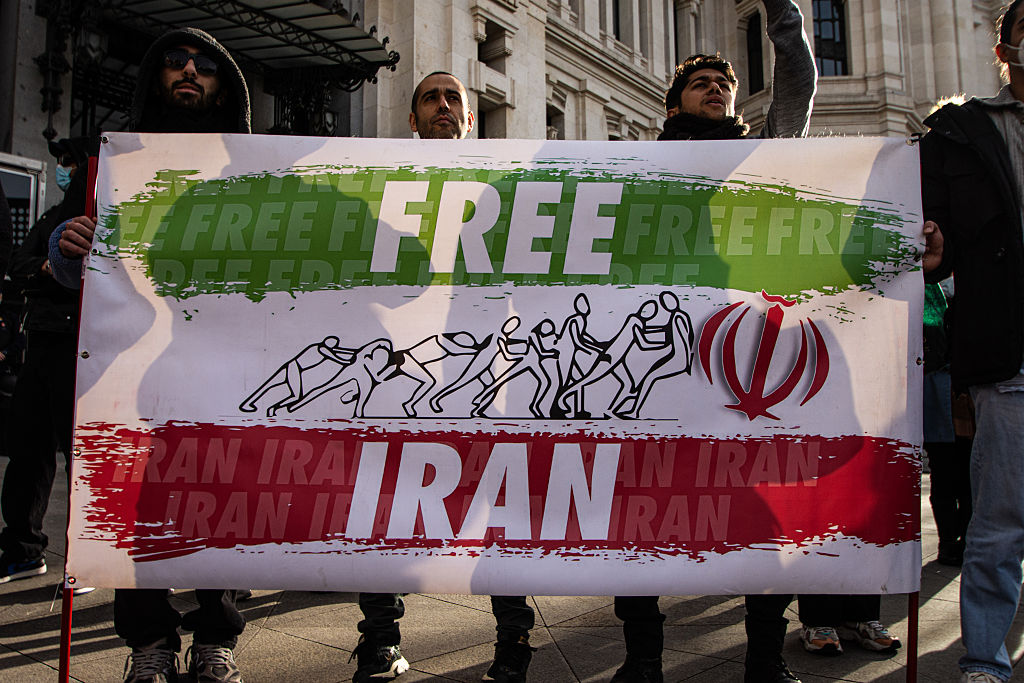
The protests, now in their third week, began with a strike in Tehran’s historic marketplace on December 28 and escalated into mass demonstrations in Tehran and several other cities. What began as anger over economic grievances has now turned into open demands to end Iran’s clerical system, which has ruled the country since the 1979 Islamic revolution.
According to analysts, these protests are special not only for their size, but also for their clear political demands. “These protests are arguably the most serious challenge to the Islamic Republic in years, both in their scale and in their increasingly clear political demands,” Nicole Grajewski, a professor at the Sciences Po Center for International Studies in Paris, told AFP.
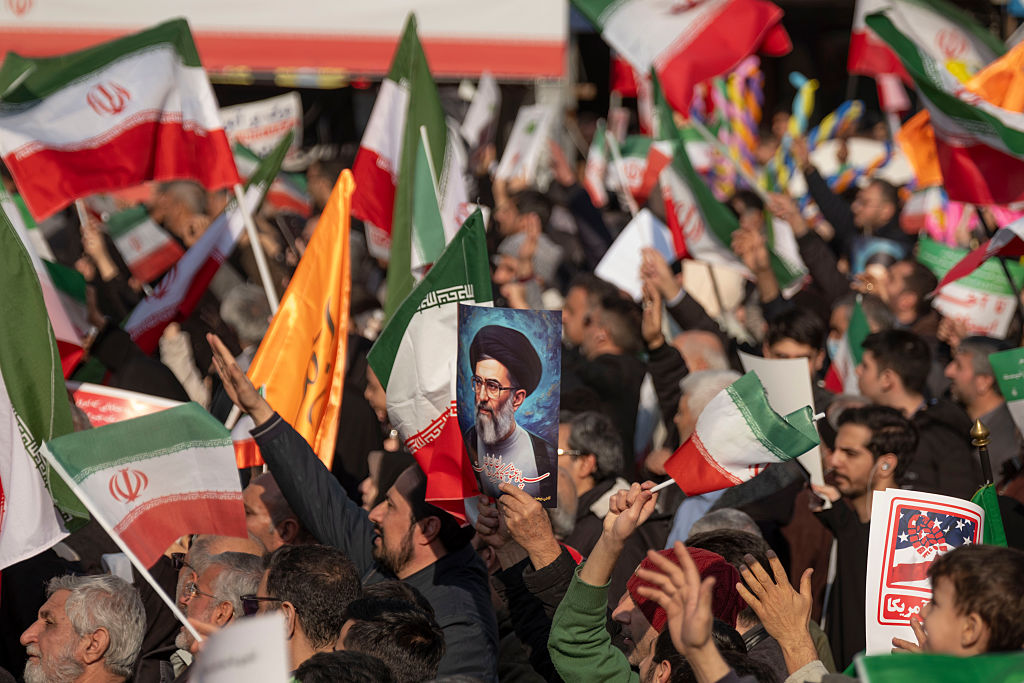
Despite the unrest, Iran’s leadership has publicly stood firm. Supreme leader Ali Khamenei, 86, publicly condemned the demonstrations on Friday, while authorities held counter-rallies, drawing thousands of supporters, on Monday.
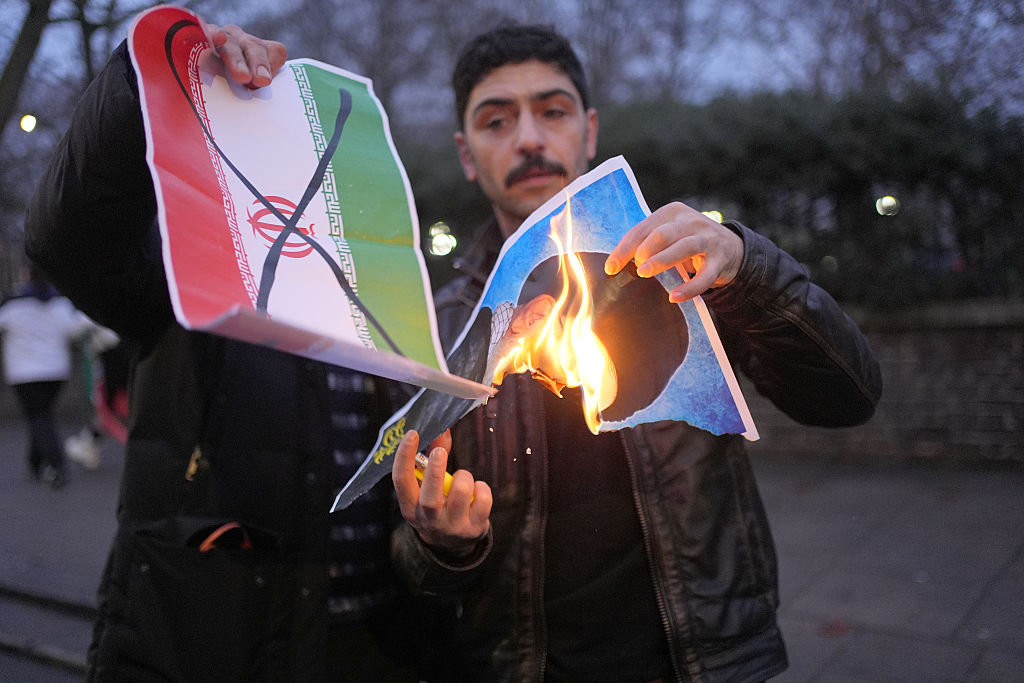
Strict action, lack of information
Iranian authorities shut down the internet for several days, making it difficult to independently verify the scale of the protests or casualties. Compared to previous revolutions, fewer videos and eyewitness accounts have emerged. Rights groups say hundreds have been killed, but a lack of connectivity has fueled uncertainty and competing stories.
Grajewski said “the depth and strength of Iran’s repressive apparatus” makes it unclear whether protests could oust the leadership. The current unrest is reminiscent of previous large protest waves, including the 2009 post-election demonstrations and the 2022–2023 protests that began after the custodial death of Mahsa Amini. Mahsa was arrested for allegedly violating Iran’s dress code.
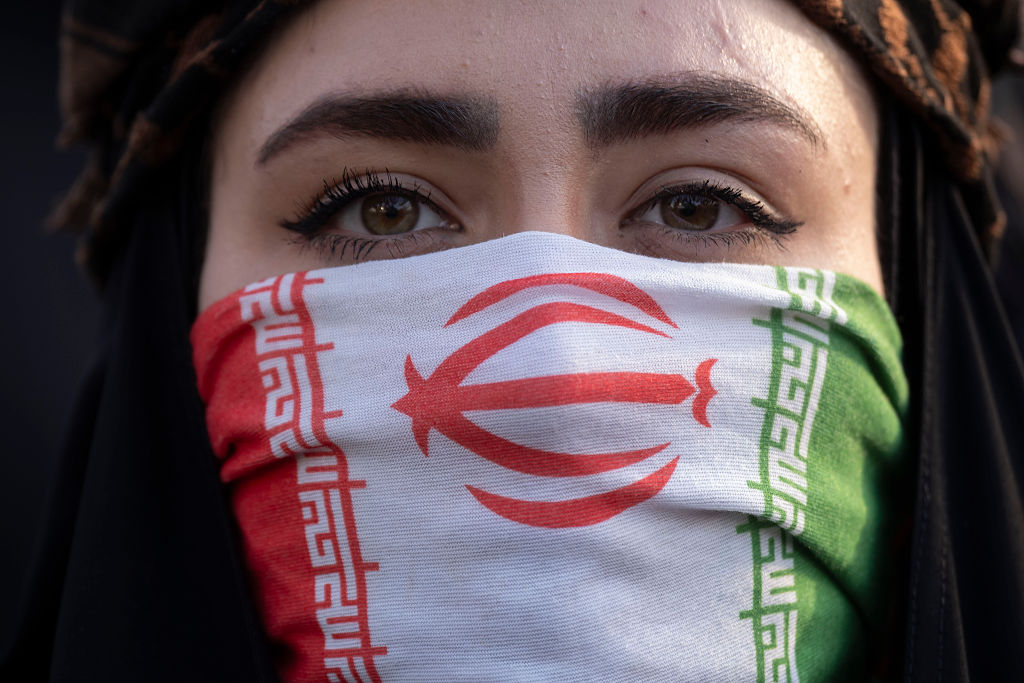
Continuous opposition but no turning point yet
Analysts say the future of the protests depends on whether they can reach a decisive number. “One main reason is just the size of the protests; they’re growing, but haven’t reached a decisive number that would represent a point of no return,” said Thomas Juneau, a professor at the University of Ottawa.
The movement’s lack of sustainable organization remains a weakness. “Protesters are still struggling with the lack of a strong organized network that can withstand repression,” said Arash Azizi, a lecturer at Yale University. He said one possible turn could be a strike in strategic areas, but he said that would require leadership that does not currently exist.
No cracks in the elite
While street mobilization is important, analysts say elite defection is often decisive in regime change – and so far, that does not appear to be the case. “At the moment, there are no clear signs of a mutiny in the military or divisions among high-level elites within the regime. Historically, these are important indicators of whether a protest movement could turn into the collapse of the regime,” Grajewski said.
Iran’s parliament, president, and IRGC have all publicly stood behind Khamenei. Jason Brodsky, policy director of the US-based group United Against Nuclear Iran, described the protests as “historic”, but said: “Some different things will be required to topple the regime,” including defections within the security services and the political elite.
External pressure and military risk
The crisis is unfolding amid a tense international backdrop. US President Donald Trump, who has threatened retaliation over the crackdown, on Monday announced 25 percent tariffs on Iran’s trading partners. Although the White House says Trump is prioritizing diplomacy, it has not ruled out military strikes.
The US briefly became involved in Israel’s 12-day war against Iran in June, a conflict that killed several top Iranian security officials and forced Khamenei into hiding, which analysts say revealed deep Israeli intelligence penetration. “A direct US military intervention would completely change the course of this crisis,” Grajewski said. Juno said: “The regime is at its weakest, both domestically and geopolitically, since the worst years of the Iran-Iraq war.”
The opposition is still divided
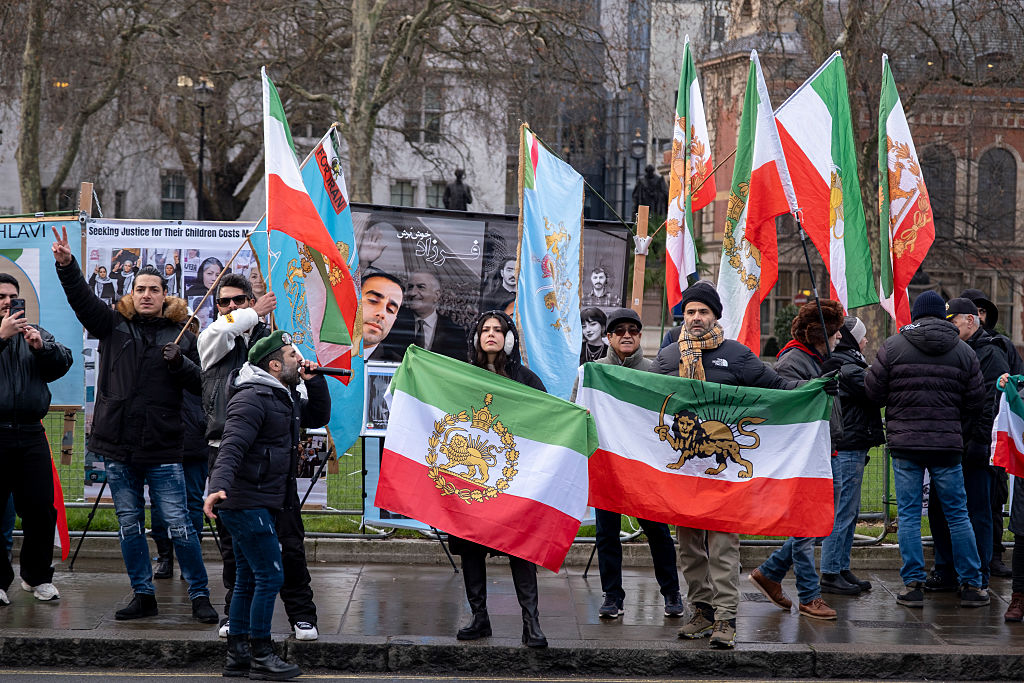
Opposition figures abroad have stepped up their calls for protests, including Reza Pahlavi, the US-based son of Iran’s last shah. Pro-monarchy slogans were also raised in the demonstrations. But analysts say the Iranian diaspora is still deeply divided. “There is a need for a leadership coalition that truly represents a large portion of Iranians, not just one political faction,” Azizi said.
question of succession
Khamenei has ruled since 1989, following the death of revolutionary founder Ruhollah Khomeini. Although he survived last year’s war with Israel, there is uncertainty over who might succeed him. Possible scenarios include the rise of his influential son Mojtaba Khamenei, or a transfer of power to a collective leadership – potentially dominated by the IRGC. Juno warned that such an outcome could lead to “a more or less formal seizure of power by the Revolutionary Guards”. For now, Iran’s future hangs between deepening repression and rising public anger – the outcome is still uncertain, but the stakes are undoubtedly high.
(With information from AFP)