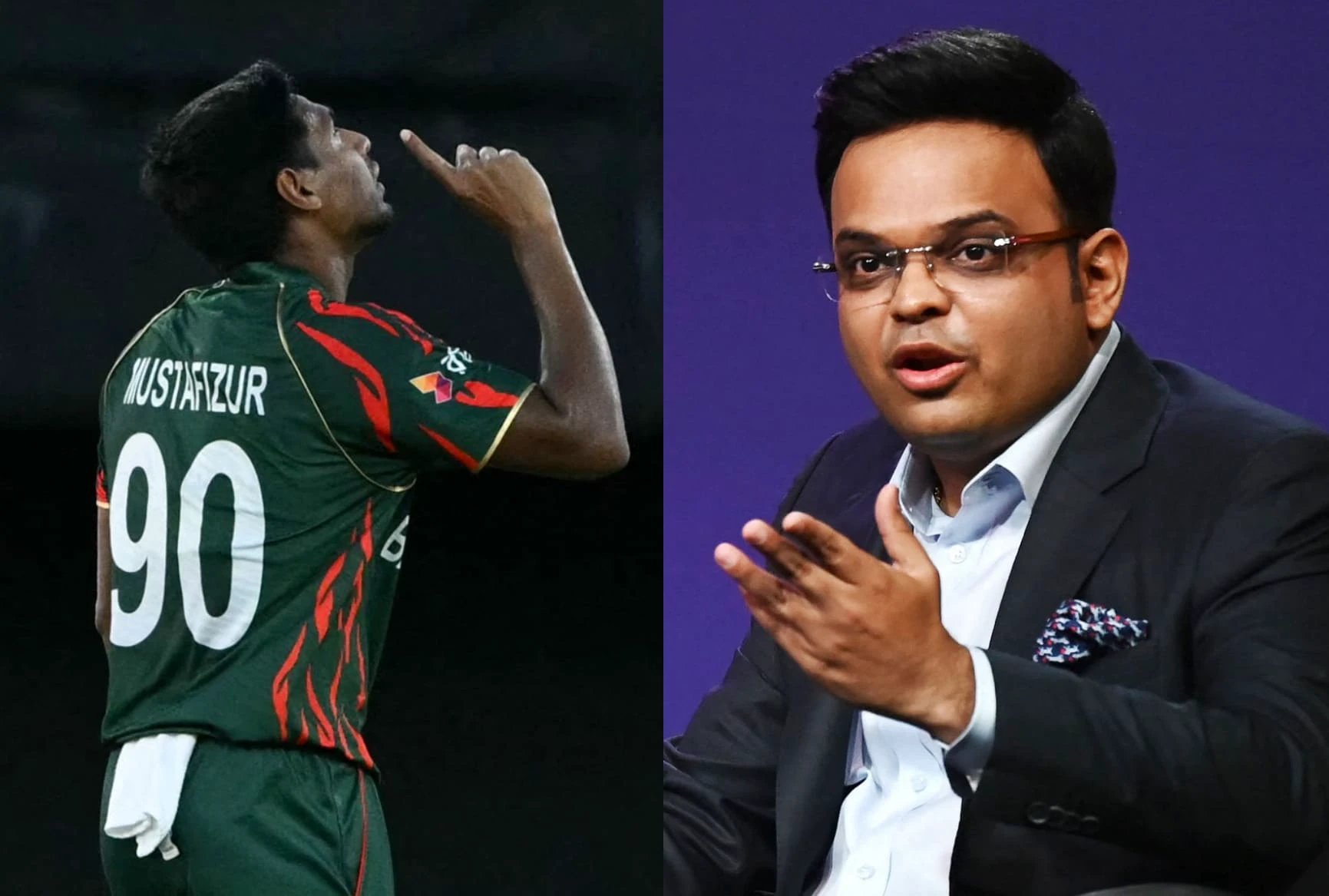
What started as a standard request has steadily escalated into a sensitive standoff. In its first communication to the ICC, the Bangladesh Cricket Board asked for a change of venue, preferring that its matches be shifted out of India, with Sri Lanka mentioned as a possible alternative.
The second letter, however, altered the landscape.
What Is Bangladesh’s Demand From ICC
Bangladesh made it clear that the issue now went beyond logistics. The board spoke of national pride being hurt – a sentiment widely linked to the fallout surrounding Mustafizur Rahman’s abrupt ouster from the IPL – and demanded man-to-man security for every member of its World Cup contingent if travel to India was unavoidable. Players, coaches, support staff, and officials were all included. The subtext was unmistakable: this was no longer just about safety, but about dignity.
That is the challenge now sitting on Jay Shah’s desk. The ICC has still not officially responded to the Bangladesh Board.
His first task will be internal – reviewing the existing tournament and security plan with the BCCI and the ICC’s operations team. That means identifying where Bangladesh feels ignored or inadequately reassured, and whether the ICC’s responses so far have sounded procedural rather than empathetic.
But a paper review alone will not solve this.
Why An Easy Solution Is Not In Sight
The harder work lies in engaging directly with the Bangladesh board to shape a plan they can accept without feeling pressured. Any solution must allow Dhaka to claim agency – whether through clearly defined security guarantees, transparent communication, or limited flexibility in match logistics – while still preserving the integrity of the World Cup.
Bangladesh’s importance in this equation cannot be overstated. They have qualified for the tournament, and excluding them would open a legal and political maze. Such a decision would require a vote of the ICC Board and risk destabilising equations within both the ICC and the Asian Cricket Council. It would also set a dangerous precedent for future tournaments.
Complicating matters further is resistance within Bangladesh’s own establishment. Sports Advisor Asif Nazrul has publicly opposed the current plan, framing the issue as an affront to national pride.
Jay Shah’s role is pivotal. He must act not as the face of Indian cricket, but as a neutral umpire of the global game – one who can lower tensions and rebuild trust,