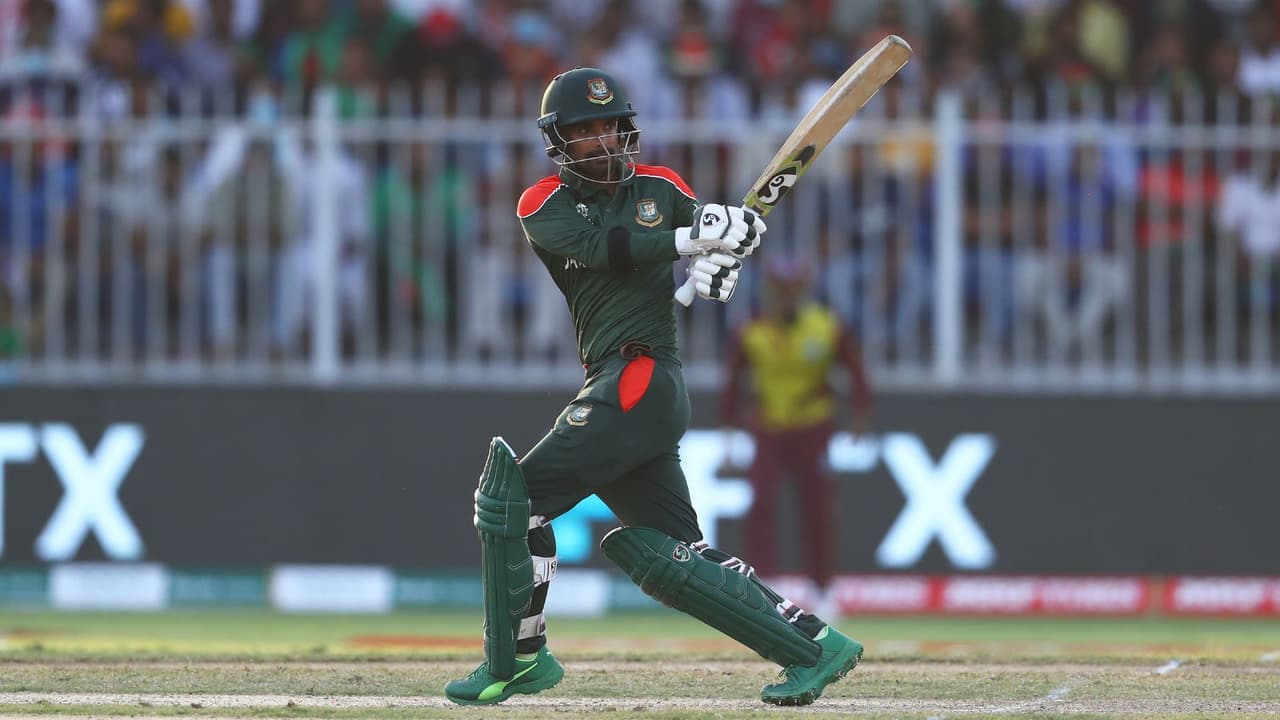
With the 2026 T20 World Cup weeks away, Bangladesh has asked the ICC to move its matches out of India citing government safety advice. The request raises questions over forfeits, replacements, and financial fallout if the board refuses to travel.
With just a month remaining before the 2026 ICC Men’s T20 World Cup, the competition has been thrown into turmoil after the BangladeshCricket Board (BCB) announced it will not send its team to India. The BCB has formally requested the International Cricket Council (ICC) to relocate its fixtures, citing government concerns over the safety of players and staff.
The controversy follows the release of pacer Mustafizur Rahman by Kolkata Knight Riders ahead of the IPL season, reportedly under instructions from the Indian board. The timing has intensified speculation about strained cricketing ties between the two nations.
If the ICC rejects Bangladesh’s request and the team complies, they will travel to India as scheduled. Drawn in Group C, Bangladesh are set to face England, West Indies, Nepal, and Italy. Their campaign is slated to begin on February 7 at Eden Gardens in Kolkata, with subsequent matches in Mumbai’s Wankhede Stadium.
Should the BCB refuse to travel despite the ICC’s stance, Bangladesh would forfeit all group fixtures. This would eliminate them from the tournament without earning a single point, marking an unprecedented case of a team forfeiting every match in one edition.
Past tournaments provide precedents. In the 1996 ODI World Cup, Australia and West Indies refused to play in Sri Lanka after a bomb blast, resulting in Sri Lanka being awarded points. Similarly, in 2003, England forfeited against Zimbabwe and New Zealand declined to play in Kenya, with both host nations receiving full points.
Relocating fixtures at this stage appears highly impractical. Travel arrangements for teams and fans are already in place, and altering venues could disrupt the wider schedule, especially if Bangladesh were to progress beyond the group stage.
The ICC does have the option of inviting a replacement team. At the 2016 U19 World Cup, Ireland stepped in after Australia withdrew over security concerns. Such a move would ensure Group C remains balanced, though it would raise logistical challenges.
Bangladesh’s refusal to participate could also impact future qualification. Having secured direct entry by finishing in the top eight at the 2024 edition, forfeiting matches now would push them well outside that bracket, jeopardizing automatic qualification for the next World Cup.
Financial consequences loom large as well. At the 2024 T20 World Cup, prize money ranged from $2.45 million for winners to $225,000 for lower-ranked teams, with additional earnings per match won. A group-stage exit would deprive the BCB of significant revenue, while the BCCI could seek compensation for losses from abandoned fixtures.
The ICC faces mounting pressure to resolve the dispute swiftly, balancing Bangladesh’s concerns with the integrity of the tournament schedule.