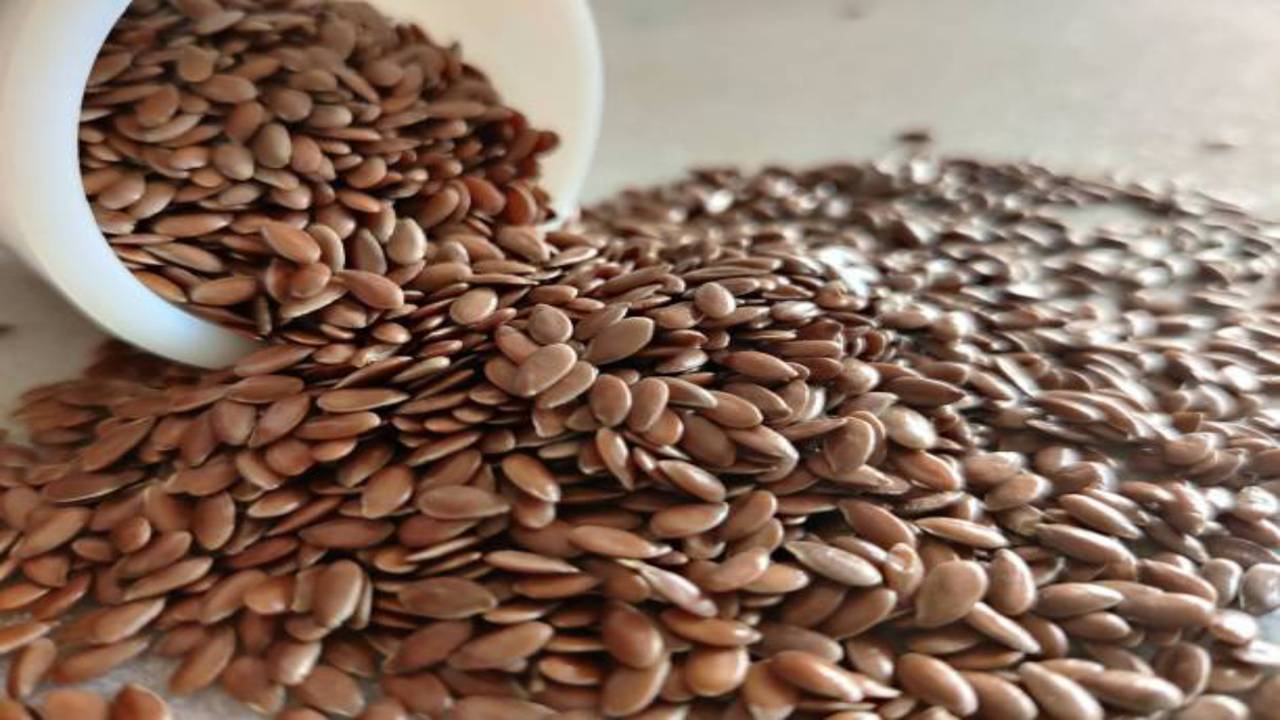
<p>Even though flax seeds are good for health, many people wonder if they can be eaten in winter. So, what happens if you eat flax seeds in winter? Who should avoid them? Let’s find out what experts say here.</p><img><p>Eating flax seeds in winter is good for health, but problems can arise without precautions. They are rich in protein, fiber, zinc, magnesium, and vitamins. Eating them helps maintain body temperature in winter and also boosts energy and immunity.</p><img><p>Eating flax seeds in winter boosts energy and hormonal balance. It can reduce issues like bleeding. The magnesium, zinc, and vitamins in them strengthen the immune system, protecting against colds and coughs.</p><img><p>The omega-3 fatty acids in flax seeds reduce bad cholesterol, benefiting heart health. Moderate intake improves digestion and moisturizes the skin, reducing wrinkles. They also curb appetite, helping control weight gain.</p><img><p>According to experts, you can have 1-2 tablespoons of flax seeds daily. They can be eaten for breakfast, after a meal, or as an evening snack. You can use them roasted or in powdered form.</p><img><p>Eating flax seeds in the right amount and way can be a power booster. Overconsumption can cause gas, vomiting, weight gain, or hormonal imbalance. Experts suggest pregnant women, those with digestive issues, or people on diabetes medication should avoid them.</p>