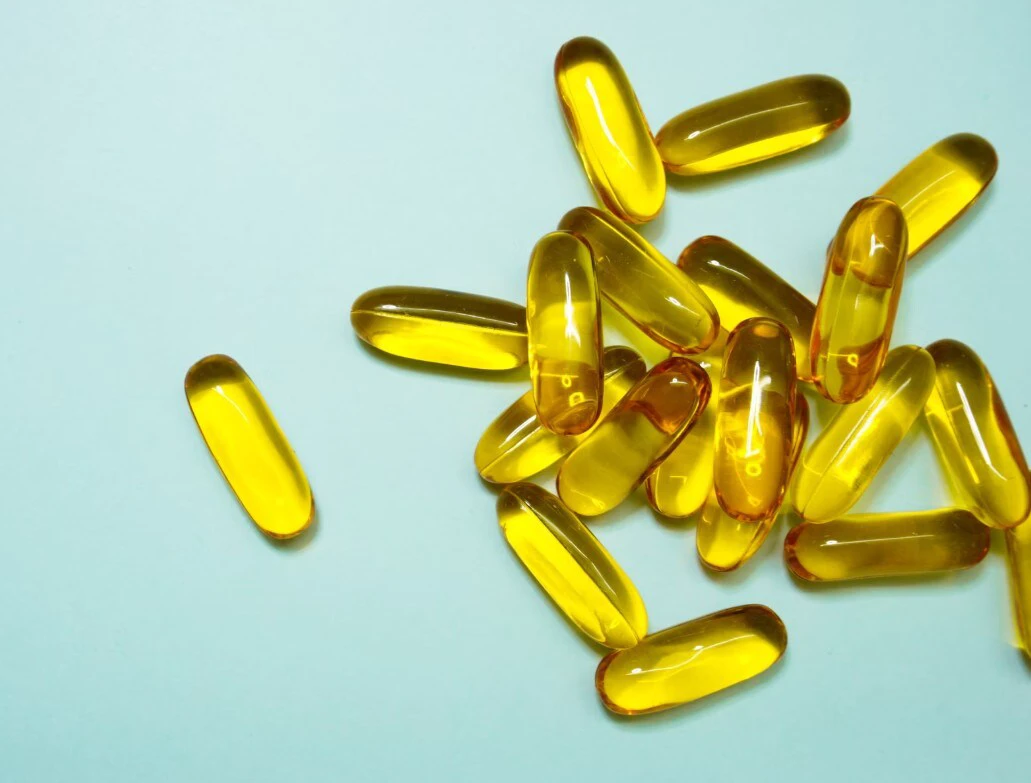
Just like protein and fibre, omega-3 fatty acids are incredibly important. Omega-3 fatty acids are essential fats that play a critical role in various bodily functions and in maintaining overall health.
Studies indicate that omega-3s can help reduce the risk of heart disease as they help lower triglycerides and blood pressure. These healthy fats are extremely crucial for your brain. Omega-3s help support cognitive functions, including memory and mood regulation. Additionally, omega-3 fatty acids reduce inflammation, support mental health, and ensure optimal eye health.
There are three main types of omega-3 fatty acids:
1. ALA (Alpha-linolenic acid): Found in plant sources like flaxseeds, chia seeds, and walnuts
2. EPA (Eicosapentaenoic acid): Oily fish like salmon are primary dietary sources
3. DHA (Docosahexaenoic acid): Also found primarily in fatty fish and fish oils, DHA is crucial for brain health and development.
Vegetarians and vegans are at a higher risk of omega-3 deficiency. Here’s why:
Vegetarians often have low levels of omega-3 fatty acids primarily because ALA is the main form they can consume through plant sources, while the more beneficial EPA and DHA are predominantly found in fish and seafood. The body can convert ALA to EPA and DHA, but this conversion process is inefficient, meaning vegetarians may struggle to meet their optimal levels of these essential fatty acids.
Should vegetarians consume omega-3 supplements regularly?
Not all vegetarians necessarily need to take supplements, but it may be beneficial, especially for those who do not consume enough plant sources rich in ALA or those who wish to support their EPA and DHA levels directly. A well-balanced vegetarian diet that includes sufficient amounts of ALA can help, but for individuals at higher risk of deficiency, like pregnant women or those with specific health concerns, taking a supplement can be a wise choice.
“A properly planned vegetarian diet should supply enough ALA from sources like chia and flax seeds and walnuts. Although ALA is converted to EPA and DHA in the body, that conversion is limited, and the factors that further reduce ALA to EPA and DHA conversion are stress, ageing, high amounts of omega-6 fatty acids, and several health problems, which can create a long-term deficiency,” says Dr. Subhasish Mazumder, Senior Director – Gastroenterology, Max Super Speciality Hospital, Vaishali
“If required, vegetarians can supplement their diet with omega-3 fatty acids. An Algal Oil supplement is an excellent choice since algae contains both EPA and DHA and is an alternative to taking fish oil. Though pregnant women, older adults, and women with heart disease, cognitive decline, or inflammation may benefit from taking omega-3 supplements, that does not mean everyone needs to take omega-3 supplements,” he added.
Safety tips
“Before beginning omega-3 supplementation(s), be sure the proper dosage is taken, as excessive consumption can increase the risk of bleeding, particularly for those taking blood-thinner medications. It is important to choose a reputable company that has undergone third-party testing for quality assurance and look at the labels to determine the EPA and DHA amounts. It’s also recommended that you consult with your physician before starting supplementation, especially if you are pregnant, suffer from chronic illness, or take any medications regularly,” Dr. Mazumder advised.
Some other tips:
Adhere to the recommended dosage on the label or as advised by your doctor.
- If allergic to seafood or shellfish, ensure the supplement is derived from algae or other plant sources to avoid allergic reactions.
- Before starting any supplement, particularly if pregnant, nursing, or on other medications, consult with your doctor to prevent potential interactions.
- Some individuals may experience mild side effects, such as digestive upset or a fishy aftertaste, if they take fish-derived supplements. If discomfort occurs, a different source or form of omega-3 may be warranted.
- Vegetarians can also boost their levels naturally with food sources like flaxseeds, chia seeds, walnuts, hemp seeds, algal oil, or soybean oil.
Omega-3s are crucial for overall health. Remember, you should always consult your doctor before starting any supplement. Consuming a well-balanced diet with enough food sources can help meet daily requirements easily.