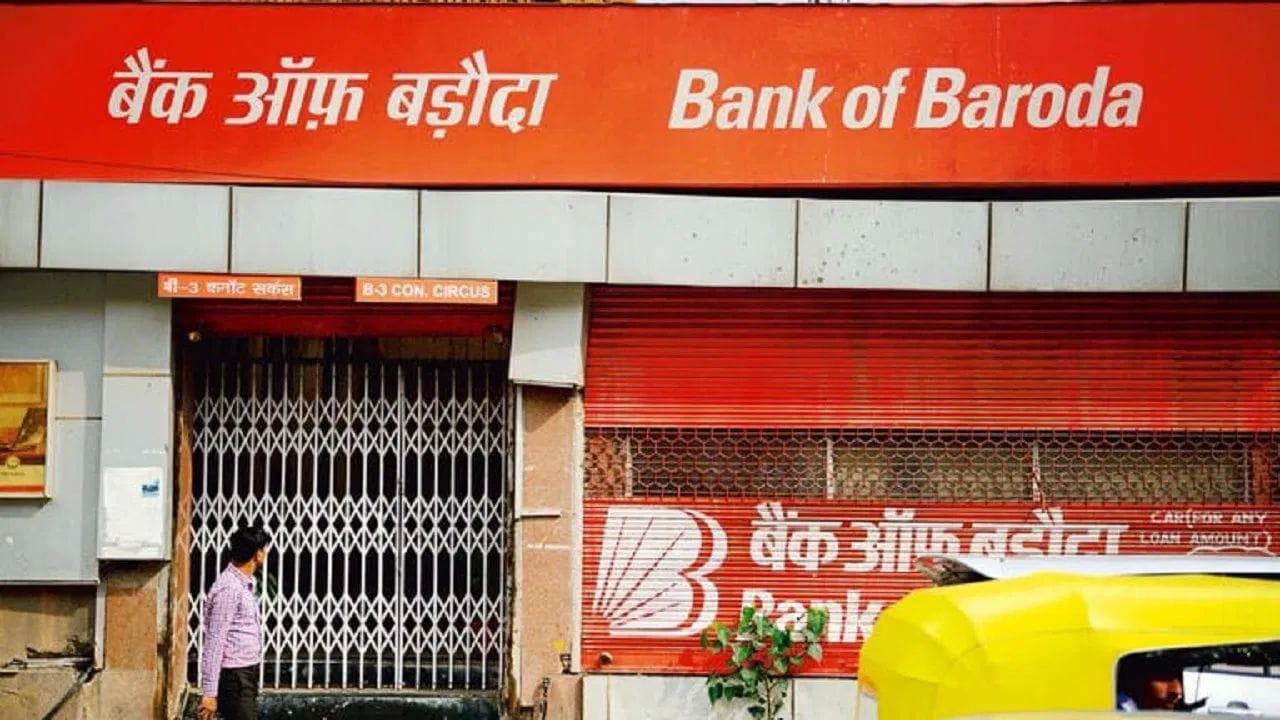
Bank of Baroda
The Reserve Bank of India (RBI) has imposed a fine of Rs 63.60 lakh on the government bank Bank of Baroda. According to RBI, in some cases the bank charged more interest from customers than the fixed rate and also did not follow KYC (Know Your Customer) rules properly. In view of these shortcomings, the Central Bank has taken this action.
For what reasons was the fine imposed?
RBI said that during the inspection, it was found that Bank of Baroda charged more interest than the fixed interest rate from customers in some loan accounts. Apart from this, the bank did not upload the KYC information of some customers on the Central KYC Records Registry (CKYCR) within the stipulated time limit. This was considered a violation of KYC rules of RBI.
Customer transactions will not be affected
RBI has clarified that this penalty has been imposed only due to lack of compliance with regulatory rules. This does not mean that the validity of any transaction or agreement between the bank and its customers has been questioned. That means bank customers do not need to worry about their accounts or deposits.
Decision taken after investigation
The central bank had earlier issued a show cause notice to Bank of Baroda on the basis of deficiencies found during the inspection. After receiving the reply and other documents from the bank, RBI reviewed the entire matter. If the allegations were found true in the review, it was decided to impose a fine of Rs 63.60 lakh on the bank.
RBI’s strict stance on following KYC rules
In recent months, RBI has been continuously asking banks to strictly follow the rules related to KYC and customer service. If any violation of rules is found in any bank during periodic inspection, then the Central Bank does not shy away from imposing fine on it. Its objective is to make the banking system more transparent and secure.
Experts say that customers should also keep updating the KYC of their bank account from time to time, so that they do not face any problem in future. This action is a message for banks that regulatory rules will have to be followed at all costs.