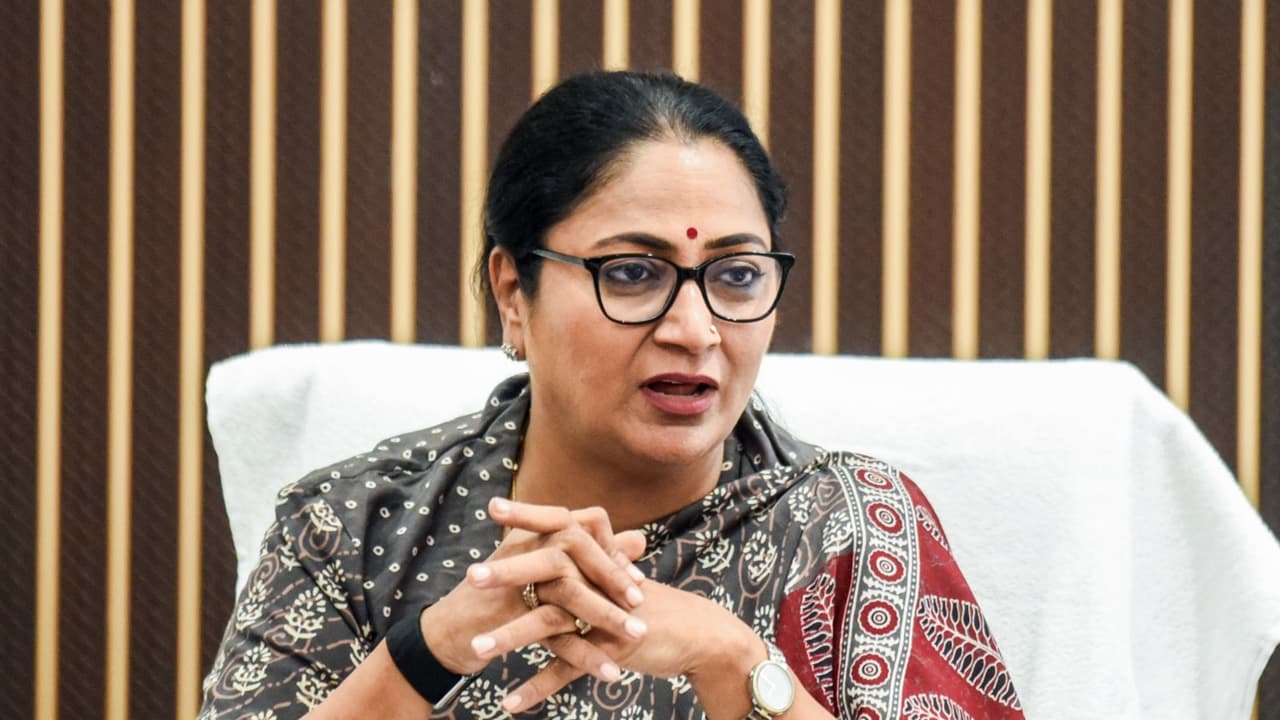
Delhi CM Rekha Gupta launched the ‘Swachh Hawa, Swasth Delhi’ project, a Rs 8,300 crore, 7-year plan with World Bank support to curb air pollution. She also visited a hospital, reviewing progress on healthcare infrastructure and digital reforms.
Delhi Chief Minister Rekha Gupta on Friday announced the launch of the ‘Swachh Hawa, Swasth Delhi’ project, a seven-year air pollution mitigation initiative to be implemented with financial support from the World Bank.
According to the Chief Minister’s Office (CMO), the project aims to accelerate the implementation of Delhi’s air pollution mitigation plan, advance the objectives of the National Clean Air Programme (NCAP), and contribute to the vision of ‘Viksit Bharat 2047’.
‘Swachh Hawa, Swasth Delhi’ Project Details
The project, scheduled to be implemented from September 2026 to August 2033 across all districts of the national capital, has an estimated cost of Rs 8,300 crore. The World Bank will provide 65 per cent of the funding, while the remaining 35 per cent will be borne by the Delhi government.
Chief Minister Rekha Gupta said a workshop would be held on July 10 to finalise preparations for the project and establish coordination among all stakeholders. The workshop will bring together officials from various government departments, key implementing agencies and senior World Bank representatives to discuss roles, responsibilities and the roadmap for the timely execution of the project.
Gupta said the initiative would focus on major sources of pollution, including transport emissions, road dust, construction and demolition (C&D) waste, solid waste management, industrial emissions, green cover and water pollution. Calling it a long-term investment in Delhi’s future, the Chief Minister said the project aims not only to curb pollution but also to provide cleaner air, improved public health and a more sustainable urban environment.
Two Pillars of the Initiative
The Chief Minister stated that this ambitious project rests on two key pillars. The first focuses on strengthening air quality management through the establishment of a dedicated Project Management Unit (PMU); deployment of advanced air quality monitoring systems; data analytics; and an Integrated Command and Control Centre (ICCC), along with enhanced inter-departmental coordination, scientific planning, public awareness, training and promotion of innovation.
The second pillar focuses on reducing emissions from major pollution sources through the phased removal of older and highly polluting vehicles, promotion of electric vehicles, improvement of public transport systems and the development of an advanced Pollution Under Control (PUC) monitoring system.
Key Stakeholders and Partners
The CMO said the project will involve multiple departments and agencies, including the Environment Department, Delhi Pollution Control Committee (DPCC), Transport Department, Public Works Department (PWD), Municipal Corporation of Delhi (MCD), Delhi Jal Board (DJB), Delhi Transco Limited (DTL), Delhi Transport Corporation (DTC), Delhi Traffic Police, Delhi Development Authority (DDA), New Delhi Municipal Council (NDMC), Delhi Cantonment Board (DCB), DSIIDC, DTTDC, DIMTS, and other relevant bodies. Furthermore, the Department of Economic Affairs (DEA) of the Government of India and the World Bank will also be key partners in this project.
Strengthening Delhi’s Healthcare Infrastructure
Earlier in the day, Delhi Chief Minister Rekha Gupta also visited the construction site of the new block at Lajpat Nagar Colony Hospital and said the government was strengthening the national capital’s healthcare infrastructure through digital reforms and improved medical facilities.
During the visit, Gupta said the hospital serves as a lifeline for residents of the area and that a new ward has been constructed to enhance healthcare services. “Lajpat Nagar Colony Hospital provides immediate medical facilities to people in the area. A new ward has been built here, and it will work like a lifeline for the people,” she said.
The Chief Minister said several reforms had been undertaken over the past year to improve the health system. “Health is a very important subject. We have been working to improve it over the past year. The system had been infested with problems for years. Today, we have digital records of all patients in Delhi. For the first time, digital appointments have been started in government hospitals,” she said.
“We are creating a new system under which both private and government hospitals will be connected on a single platform so that information on emergency bed availability can be accessed easily,” Gupta said.
The Chief Minister also said the government was launching a dedicated platform for organ donation.
(Except for the headline, this story has not been edited by Asianetnews Editorial staff and is published from a syndicated feed.)