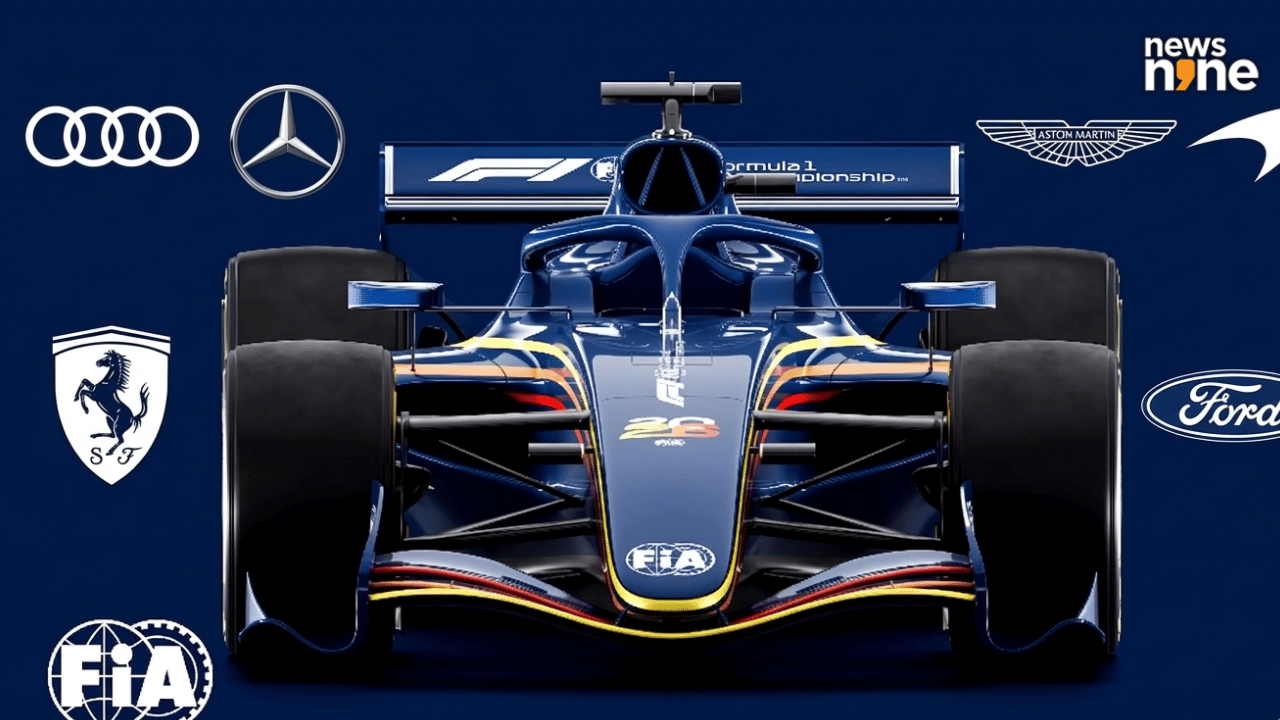
New Delhi: What a year it was in the Formula One season 2025, with the finale in Abu Dhabi marking an end to many things. While last year was the end of Red Bull and Mercedes’s 14 years of domination, this year was about bidding farewell to the norms. For a start, this was the final season calendar featuring Imola, and we don’t know when it will return.
However, the most critical points remain in the mechanics of the car that we are saying goodbye to. This season happens to be the last we saw the DRS, and instead, we are now coming with the Active Aerodynamics that functions on both front and back wings and will adjust the angles on the fly instead. Another big change is the powertrain as it goes to a split of 50/50, with ICE and electrical power unit sharing the job equally.
Division of powertrain in the cars
Earlier, the power sharing was 80 per cent on ICE and 20 on the electric, but now the V6 internal combustion engine’s output will be falling down to 544 bhp and the Kinetic Energy Recovery System (MGU-K) will triple its output to 350 kW. F1 has further removed the complex, and frankly, a very expensive Heat Energy Recovery System (MGU-H), the F1 engines are closer to having relevance with the actual road-going cars.
In fact, for manufacturers like Ford and Audi, this was the primary reason to enter motorsport. The technology they make in F1 can finally be going to the production cars, and that means investments in research make more sense. What it also does is, it makes a clean slate for all manufacturers and it could be anyone’s game.
The death of fossil fuels in F1
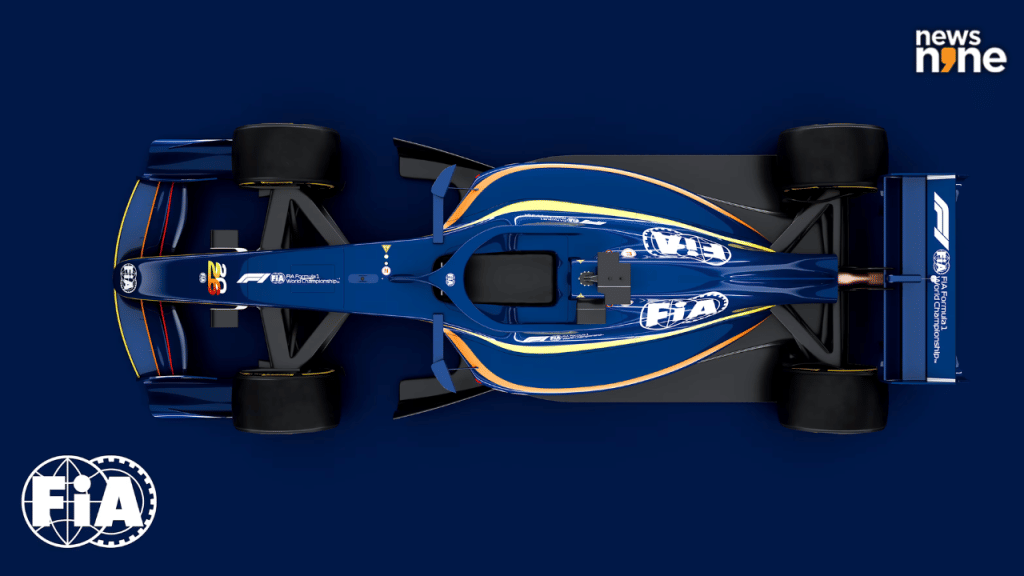
F1 shifts from fossil fuels blended with 10 per cent ethanol to synthetic fuels
The biggest change comes in what is being used to power the engines, as the 2026 mandate states the use of 100 per cent advanced sustainable fuels. Currently, motorsport uses E10 fuels, which are 10 per cent ethanol. The new rules mean the fuels have to be carbon-neutral, coming from non-food biomass, waste or carbon capture.
With 1.4 billion ICE vehicles on the road, this is the best news we could have. Even though there is a push for EVs, these cars, driving on fossil fuels, exist and will for some foreseeable time period. So the 2026 season has become the ultimate playground for testing synthetic fuels, fuels that can run in a standard engine without modification.
Partnerships between Aramco and Aston Martin are looking for ways to pull CO2 from the atmosphere to make liquid fuel. If F1 can deliver the same performance in the cars that are being driven under extreme heat in the space of 15,000 RPM, it could become a blueprint for decarbonisation of the existing ICE fleet, without requiring every driver to go towards EVs.
We already have manufacturers like Mercedes, Aston Martin, McLaren, and Ferrari that make production cars. There is Ford joining as engine engine-making partner for Red Bull, Honda delivering engines to Aston Martin and Audi coming into the world of F1, the big boys will have the technology that can go from the big players to the small players.
While the season can be anyone’s game in terms of managing with the hybrid powertrain and ICE power delivering, it is a pivotal moment of the likes of Motor World in general.