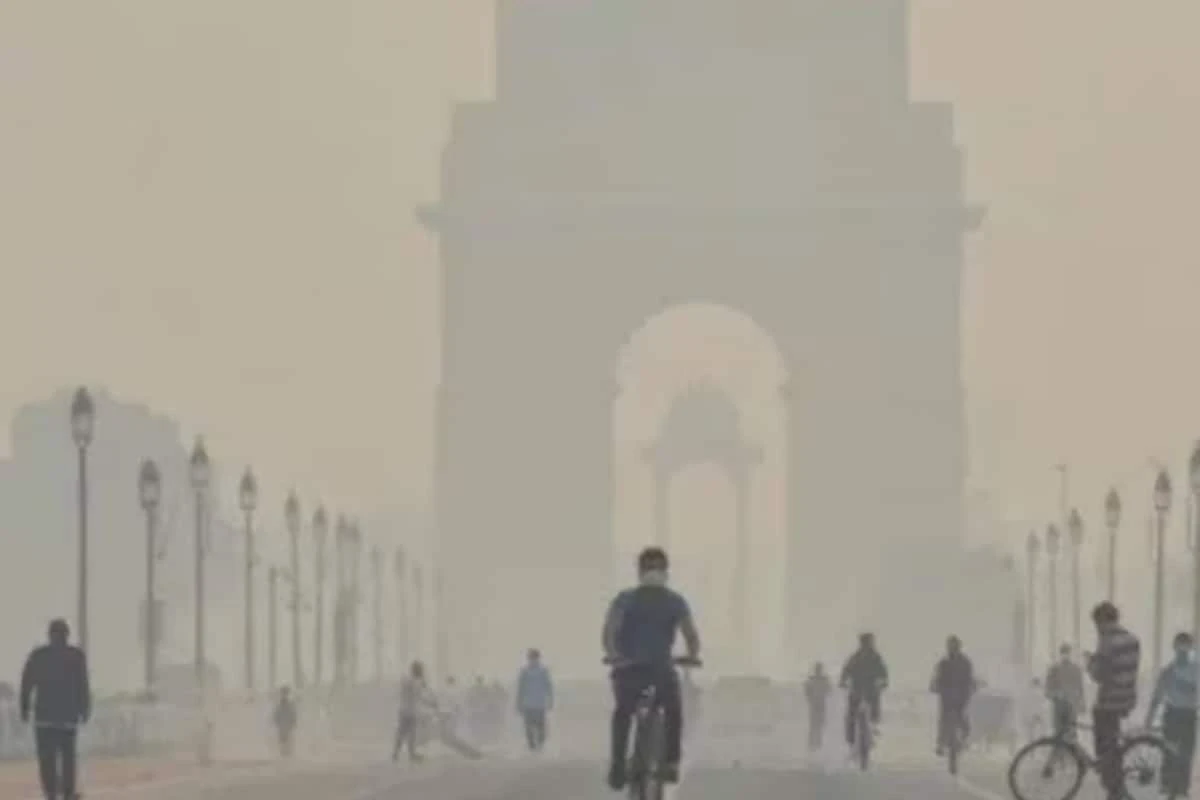
In Delhi, air pollution is no longer a seasonal inconvenience, but it has become a persistent backdrop to daily life. For months at a stretch, air quality levels remain far above safe limits, shaping not just physical health outcomes but emotional and psychological well-being as well.
Mental health professionals across the city are observing a troubling pattern: rising cases of anxiety, depression, sleep disturbances and cognitive fatigue that appear closely tied to prolonged exposure to polluted air.
What makes this trend particularly concerning is that these symptoms are increasingly seen in people with no prior history of mental illness. The air people breathe, it seems, is quietly reshaping how they think, feel and cope.
What Doctors Are Seeing In Clinics
Psychiatrists report a consistent spike in mental health complaints during prolonged high-AQI periods. Dr. Vinay Saini, Psychiatrist at Maarga Mind Care, Gurugram, explains, “People in Delhi are exposed to very poor air quality for long periods, not just a few bad days. This prolonged exposure causes inflammation in the body and brain, affecting brain chemicals that regulate mood, sleep, concentration and stress response.”
He adds that during peak pollution months, clinics see a noticeable increase in anxiety disorders, depressive symptoms and sleep-related complaints. “Importantly, these symptoms are not limited to individuals with pre-existing psychiatric illness. Even people with no prior mental health history present with persistent low mood, irritability and heightened health anxiety,” he notes.
The Brain On Polluted Air
Scientific evidence increasingly supports what clinicians are observing. Dr. Neha Aggarwal, Consultant Psychiatrist at Adayu, a Fortis Network Hospital in Gurugram, points out that fine particulate matter such as PM2.5 and gases like nitrogen dioxide can enter the bloodstream and cross into the brain. “This triggers neuro-inflammation and oxidative stress, damaging brain cells and disrupting chemical pathways that regulate mood, attention and emotional stability,” she explains.
Over time, this invisible damage can manifest as unexplained anxiety, emotional heaviness and mental fatigue. These symptoms develop gradually and are often dismissed or misunderstood.
Sleep, Stress And Cognitive Fatigue
One of the most under-recognised effects of air pollution is its impact on sleep. Polluted air frequently causes coughing, nasal congestion and breathing discomfort at night, leading to fragmented sleep. According to Dr. Aggarwal, “Poor sleep quality worsens mood, concentration and stress tolerance, creating a vicious cycle.”
Cognitive fatigue is another growing concern, particularly among working professionals. Complaints of brain fog, reduced attention span, and faster burnout are becoming increasingly common. Chronic inflammation combined with poor sleep may impair areas of the brain responsible for focus and memory, making everyday tasks feel disproportionately exhausting.
Children And Vulnerable Populations At Greater Risk
The psychological toll of pollution is even more alarming among children. Dr. Ekta Puri, Chief Clinical Psychologist at Indraprastha Apollo Hospitals, Delhi, highlights that developing brains are especially sensitive to environmental toxins. “Children raised in polluted environments often present with attention difficulties, learning challenges, emotional dysregulation and behavioural issues,” she says.
Restricted outdoor play, sleep disruption, and constant exposure to smog further compound these challenges. Older children and adolescents, more aware of environmental risks, may also experience eco-anxiety and chronic worry about their future.
Beyond its biological effects, pollution creates a constant psychological stress environment. Smog-filled skies, repeated health advisories and fear for children’s and elders’ health contribute to emotional exhaustion and helplessness. The rising link between air pollution and mental health in Delhi is no longer speculative. It is clinically visible and deeply concerning.