Global growth becomes easier when your CRM supports multiple languages and currencies from the start.
For any business, understanding and managing relationships with customers is the lifeline of growth. This is where Customer Relationship Management (CRM) software plays a critical role. CRM tools are designed to store customer data, track interactions, and help teams provide better service while identifying sales opportunities.
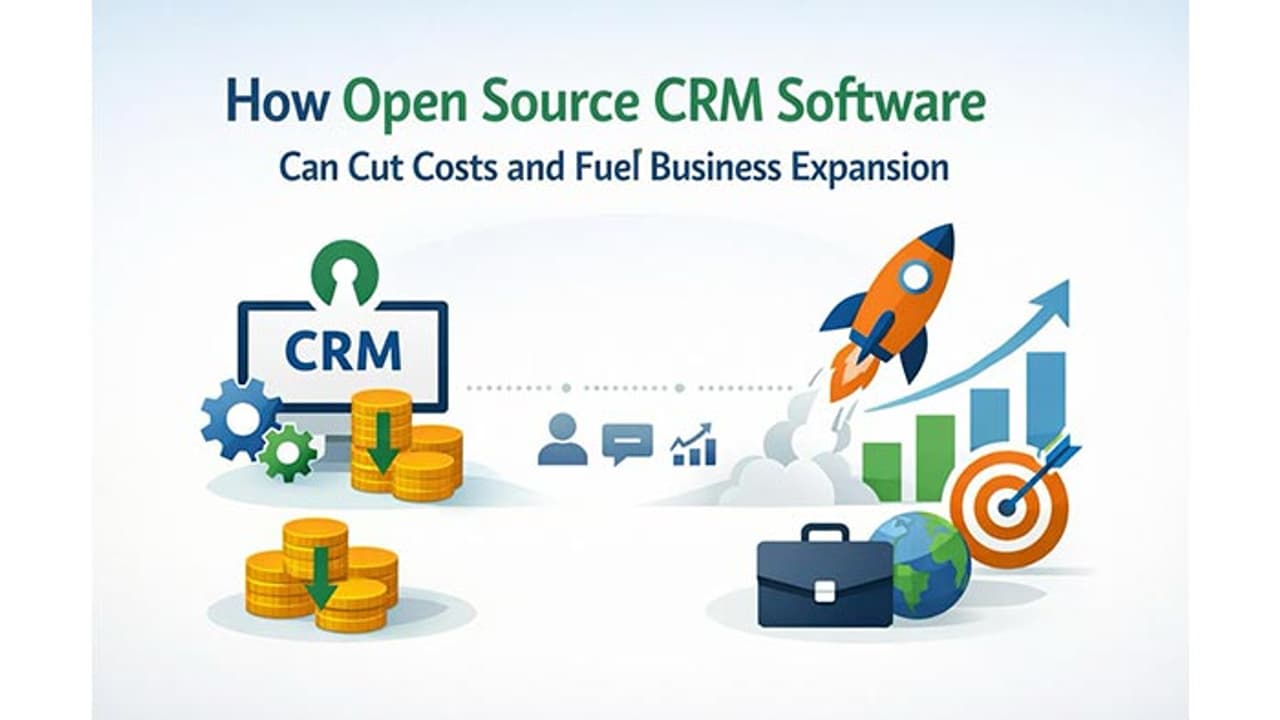
Among the different types of CRM available, open source CRM software stands out for its ability to give businesses complete control over their system without locking them into costly vendor contracts. It is not just a cheaper alternative to proprietary software but a strategic enabler for sustainable business growth. Open source CRM transforms into a long-term asset rather than merely another tool in your tech stack by providing both cost-effectiveness and scalability.
Understanding Open Source CRM Software
In simple terms, open source CRM is a type of customer management software whose source code is freely available for anyone to view, modify, and enhance. Unlike proprietary CRM systems, which come with strict usage restrictions and licensing fees, open source platforms allow businesses to tailor every feature to their needs.
Most platforms out there provide ready-to-use features for sales tracking, marketing automation, and customer service, while allowing developers to create entirely new functions. This flexibility means companies can adapt the system as they grow rather than adjusting their processes to fit the software.
How Can Open Source CRM Help In Cutting Costs
Cutting costs is often the first big win businesses notice after switching to an open source CRM. Businesses always look for gaps to save money and redirect the spending toward growth-driven improvements instead of routine software expenses. The following benefits explain how open source CRM helps trim budgets without sacrificing performance.
No Licensing Fees
With proprietary CRM platforms, businesses are locked into recurring license payments; often charged per user and renewed annually. These costs can quietly balloon into thousands over time. An open source CRM removes that entire expense category. Instead of paying for the right to use the software, you only allocate funds for hosting, customization, or optional support. This shift in cost structure means you invest directly in improvements that matter to your business rather than in maintaining a software subscription.
Reduced IT Overheads
When you own the source code, you also own the power to modify it. Internal IT teams can implement updates, fix bugs, and add features without waiting for the vendor’s development cycle or paying extra for professional services. That independence shortens timelines for changes and sidesteps the hefty service contracts that proprietary CRM providers often push. The result is a leaner IT budget and a system that evolves exactly as fast as your business needs it to.
Flexibility with Integration
Most companies don’t run on a single software platform, they rely on a mix of tools for marketing, sales, finance, and customer service. A good open source CRM is built with this reality in mind, offering APIs and integration options that connect seamlessly with your existing stack. This means you avoid costly rip-and-replace situations or paying extra licensing just to use a compatible tool. Your tech ecosystem stays intact, while your CRM becomes the central hub without straining the budget.
Community Support That Saves Money
Behind every successful open source CRM is a community of developers, contributors, and users who actively improve the software. This network constantly produces free plugins, shared code snippets, and step-by-step guides to troubleshoot common issues. Instead of hiring a consultant for every small problem, businesses can tap into this pool of collective knowledge. It’s like having a 24/7 global support team, without the monthly retainer.
Freedom from Vendor Lock-In
Switching away from a proprietary CRM can be a financial and logistical nightmare, often involving steep migration fees, data export charges, or even contractual penalties. Open source CRM gives you full control over your data and hosting environment from day one. You can change providers, scale infrastructure, or re-platform entirely without begging for access or paying for the privilege. This flexibility keeps you in charge of both costs and future direction.
How Does Open Source CRM Fuel Business Expansion
Growth brings new challenges, and open source CRM helps businesses face them with ease. It helps businesses scale smoothly, innovate faster, work better across teams, and even expand into global markets. The points below explain how it supports long-term business expansion.
Scalability Without System Overhauls
When a business grows, its CRM requirements grow too. An open source CRM adapts effortlessly by letting you add new modules, integrate additional tools, or expand features without tearing apart your existing setup. This means you can handle rising customer volumes and complex workflows without pausing operations or investing in costly rebuilds.
How Scalability Future-Proofs Your CRM
- Supports Seasonal Spikes: Handles sudden traffic or sales surges without extra licensing costs.
- Multi-Brand Management: Lets growing companies manage different product lines under one CRM.
- Custom User Roles Expansion: Easily add new teams or departments as the workforce increases.
Accelerated Innovation on Your Terms
Direct access to the CRM’s source code puts you in full control of innovation. Whether it’s embedding AI-powered sales forecasting, building interactive dashboards for better decision-making, or automating repetitive tasks, you can implement changes at your own pace instead of waiting for a vendor’s next release. This freedom shortens development cycles and allows faster market response.
Practical Ways Innovation Drives Advantage
- Early Adoption of New Tech: Quickly integrate tools like blockchain or IoT as industries evolve.
- Faster Pilot Testing: Run trial versions of new features on smaller user groups before scaling company-wide.
- Market-Specific Customization: Adapt CRM workflows for niche industries (healthcare, real estate, fintech) faster than vendor-led updates.
Seamless Collaboration Across Locations
An open source CRM’s web-based and multi-user capabilities ensure that every team member, whether in-office, remote, or in the field – can access and update the same customer information in real time. This transparency keeps communication tight, eliminates data silos, and maintains productivity no matter where your teams operate.
Collaboration Features That Add Extra Value
- Shared Knowledge Base: Teams across locations can contribute to a single repository of customer insights.
- Real-Time Performance Dashboards: Everyone views live KPIs, reducing reporting delays.
- Cross-Team Task Linking: Sales, support, and marketing can link tasks together to track a customer journey end-to-end.
Prepared for International Expansion
Global growth becomes easier when your CRM supports multiple languages and currencies from the start. This capability enables customer service, marketing, and sales teams to operate smoothly in different regions without having to overhaul systems or build separate platforms.
Additional Global Capabilities That Matter
- Currency Conversion Built-In: Auto-converts deals and invoices for international clients.
- Global Customer Support Routing: Directs queries to regional teams based on location or language.
- Regional Data Storage Options: Store customer data in compliance with local data laws (like GDPR).
Actionable Customer Insights for Strategy
Custom analytics and reporting go beyond basic dashboards. Businesses can tailor tracking to focus on specific KPIs, spot behavioral trends, and identify untapped opportunities. Turning raw data into meaningful, goal-oriented insights helps refine strategies and strengthen market positioning.
Ways Insights Push Strategy Further
- Campaign ROI Measurement: Pinpoints which campaigns bring the highest returns per region or segment.
- Customer Lifetime Value Forecasting: Identifies which accounts deserve long-term nurturing.
- Competitor Benchmarking Inputs: Compare internal data against industry trends for sharper positioning.
Potential Challenges and Solutions
Open source CRM brings plenty of advantages, but it also needs the right approach. With smart planning to overcome hurdles that are already accounted for, companies can avoid setbacks and keep their CRM running effectively.
Security and Data Privacy Misconceptions
The openness of the code often sparks security concerns, but in reality, large developer communities act as constant watchdogs. Bugs and vulnerabilities are identified quickly, with patches and updates rolled out far faster than many proprietary systems. Pairing this with robust internal security practices; such as access controls, encryption, and regular audits—keeps customer data safe.
Technical Skills for Customization
While open source CRMs are highly flexible, tailoring them to your business may require skilled developers. Fortunately, most platforms provide thorough documentation, step-by-step setup guides, and pre-built modules contributed by the community. This shared knowledge base can significantly reduce both the time and expertise required for customization.
Understanding the True Cost
Eliminating license fees is a major cost advantage, but businesses must factor in hosting, customization, and training costs. Building a realistic total cost of ownership (TCO) model ensures that the project stays within budget and delivers maximum ROI without surprise expenses later.
The Role of CRM in Strategic Business Growth
The true CRM meaning in a growth strategy is not just managing contacts, it’s using customer data to cut unnecessary costs and scale faster. Open source CRM software takes this further by removing expensive licensing fees and offering full control over features. Businesses can automate routine processes, minimise manual errors, and streamline operations, directly reducing operational expenses.
At the same time, deeper customer insights help identify profitable markets, improve retention rates, and boost sales conversions. This balance of cost savings and targeted growth potential makes open source CRM a smart investment for companies aiming to expand without overspending.