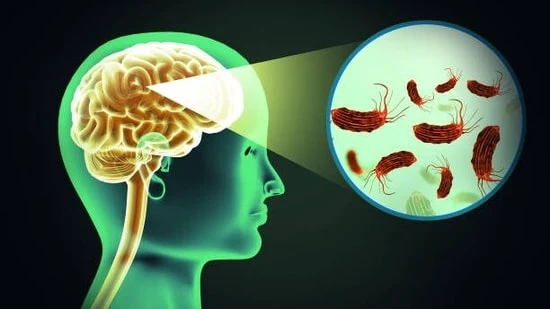
Brain health is often taken for granted, but certain infections can pose serious risks if ignored. Among these, parasitic worms can invade the brain, leading to severe neurological complications.
Understanding the risks and prevention methods is key to staying safe.
Dr Priyanka Sehrawat, general physician and neurologist at The Neuromed Clinic, Gurugram, and MD Medicine, DM Neurology from AIIMS Delhi, shared in a December 26 podcast with Param Chaudhary crucial insights on protecting the brain from worm infections and maintaining long-term neurological health.
What are ‘brain worms’ and how do they affect children
“These days, a fairly common disease is circulating. What exactly are ‘brain worms’? The condition caused by brainworms is called Neurocysticercosis, which is actually the most common infectious cause of seizures in children. In simple terms, it’s a worm infection of the brain caused by Taenia solium,” explains Dr Priyanka.
How do these worms enter the body and trigger seizures
“The eggs of this worm are found in soil, so if we don’t wash or cook vegetables properly, like lettuce or cabbage, these eggs can enter the body. There are children whose seizures are caused by this very reason,” she adds.
“It’s not that worms are actively crawling inside our brains all the time. What happens is that some foreign particles enter the brain, and the brain reacts to them. A swelling forms around the worm or particle to contain it. This swelling is what triggers seizures or headaches,” Dr Sehrawat concludes.