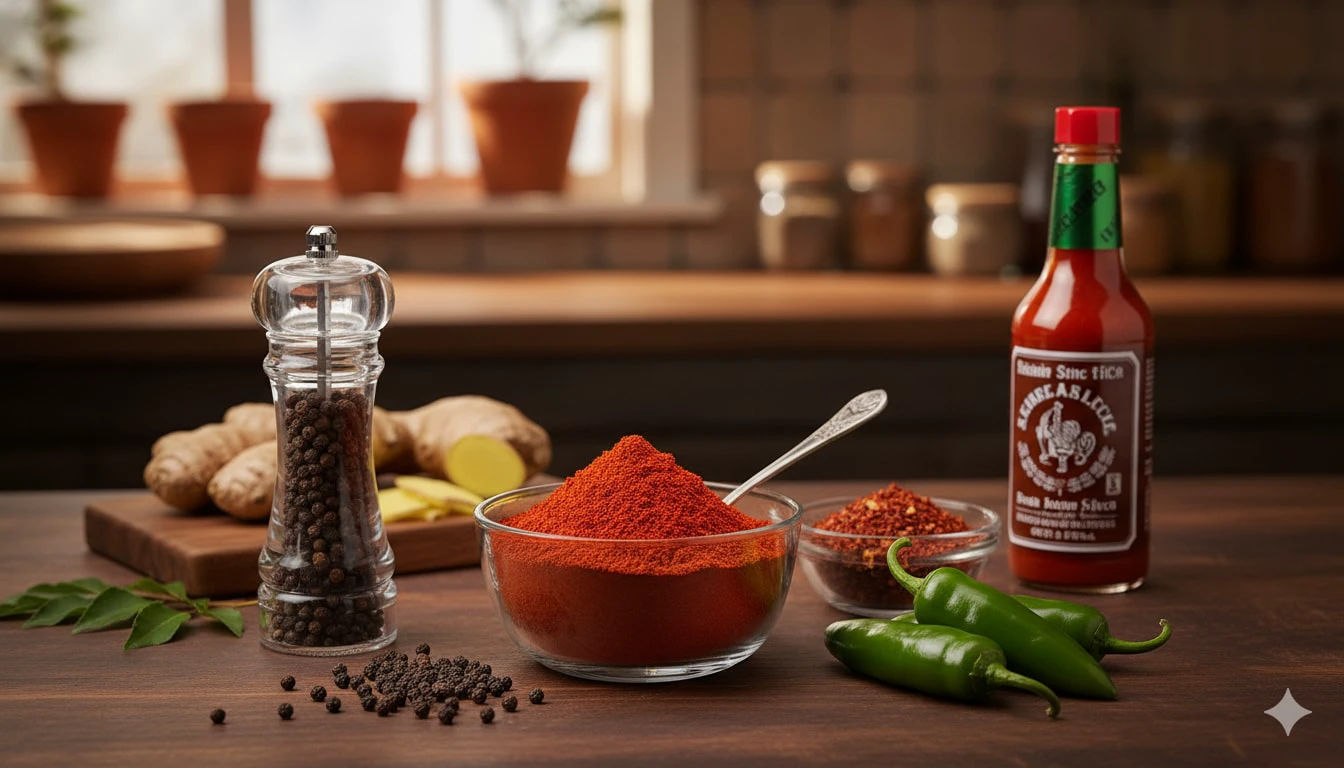
You are halfway through cooking when you realise it. The red chilli container is empty. No colour, no heat, no backup. For many Indian kitchens, that moment feels dramatic.
Red chilli powder is not just a spice; it is muscle memory. But this is where most home cooks underestimate their own pantry. Red chilli powder is the only way to bring heat into a dish. Spice can be sharp, smoky, earthy, or slow-building. Most kitchens already have ingredients that can step in, if you know how they behave. The trick is not chasing identical heat, but choosing the right kind of heat for the dish you are cooking.
This guide breaks down six easy substitutes, how hot they really are, where they work best, and how to use them without ruining your meal.
Red Chilli Substitutes At A Glance
| Ingredient | Heat Level | Type Of Heat | Best Used In |
| Black pepper | Medium | Sharp, lingering | Rasam, chicken, soups |
| Paprika | Mild to medium | Smoky, gentle | Curries, marinades |
| Cumin | Low to medium | Earthy warmth | Dal, gravies, rice |
| Cayenne pepper | Very hot | Direct, intense | Extra-spicy dishes |
| Hot sauce | Variable | Tangy, layered | Gravies, fusion |
| Crushed chillies | Medium to high | Textured heat | Stir-fries, oils |
1. Black Pepper: Sharp And Lingering Heat
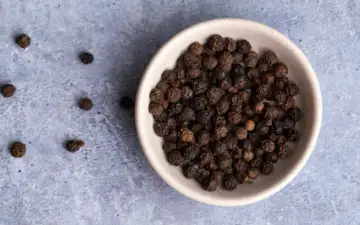 Photo Credit: Unsplash
Black pepper delivers a very different kind of spice. Instead of burning instantly like red chilli, it builds slowly and stays longer. It is the backbone of dishes like rasam and pepper chicken, where warmth matters more than colour.
How hot is it?
Medium, but sharp.
How to substitute
- Use 1 teaspoon freshly ground black pepper for every 1 teaspoon red chilli powder
- Always grind fresh for best results
Works best in
- Rasam and clear soups
- Chicken and meat dishes
- Simple dal, rice, and vegetable stir-fries
Pro tip
Dry-toast whole peppercorns for 30 seconds before grinding. The flavour deepens and the heat feels stronger without becoming harsh.
2. Paprika: Colour With Gentle Heat
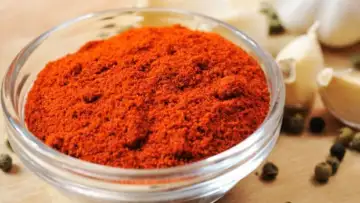 Paprika is made from dried peppers and comes in several varieties, from sweet to hot. While it does not always match red chilli’s heat, it delivers colour and a soft warmth that works beautifully in Indian cooking.
How hot is it?
Mild to medium, depending on the variety.
How to substitute
- Use 1.5 teaspoons paprika for every 1 teaspoon red chilli powder
- Mix sweet paprika with a pinch of cayenne if you need extra heat
Works best in
- Curries and gravies
- Tikkas and marinades
- Dishes where colour matters
Pro tip
If you have smoked paprika, use it. The smoky note adds depth that regular red chilli powder often lacks.
3. Cumin: Earthy Warmth, Not Burning Heat
 Cumin does not burn the mouth, but it creates warmth that fills the dish. It is already present in most Indian masalas, but using it deliberately as a chilli substitute changes how your food tastes.
How hot is it?
Low to medium, more warmth than heat.
How to substitute
- Use 2 teaspoons cumin powder for every 1 teaspoon red chilli powder
- Combine with black pepper for added bite
Works best in
- Dal and lentil dishes
- Gravies and rice
- Vegetable curries and stews
Pro tip
Toast whole cumin seeds before grinding. This releases oils that make the flavour richer and more pronounced.
4. Cayenne Pepper: Maximum Heat, Minimal Margin
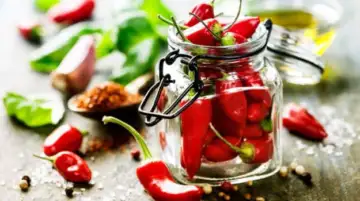 Cayenne is where things get serious. It delivers intense heat with very little flavour complexity. This is not a casual substitute. It is a controlled weapon.
How hot is it?
Very hot.
How to substitute
- Use 1/4 teaspoon cayenne for every 1 teaspoon red chilli powder
- Always start small and adjust
Works best in
- Very spicy curries
- Marinades that need a kick
- Dishes where heat is the priority
Pro tip
Never use cayenne alone in large quantities. Pair it with paprika or cumin to keep the flavour balanced.
5. Hot Sauce: Liquid Heat With Personality
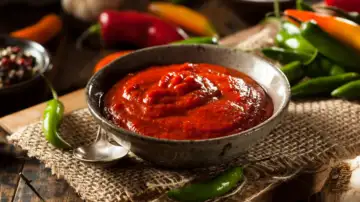 Photo Credit: istock
Hot sauce brings heat plus tang, sweetness, or smokiness depending on the brand. It is not traditional, but it works surprisingly well in many Indian dishes.
How hot is it?
Varies by brand.
How to substitute
- Start with 1 teaspoon hot sauce per teaspoon red chilli powder
- Reduce other liquids slightly
Works best in
- Gravies and curries
- Soups and stews
- Fusion dishes and marinades
Pro tip
Different sauces behave differently. Sriracha adds sweetness, Sambal Oelek is cleaner, Tabasco is sharp and intense. Adjust accordingly.
6. Crushed Red Chillies: Heat With Texture
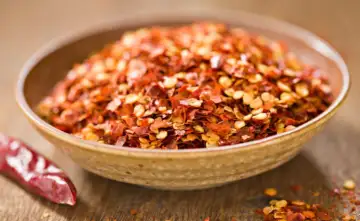 Crushed or whole dried chillies give you more control than powder. You can adjust heat by removing seeds or changing the variety.
How hot are they?
Medium to high, depending on the chilli.
How to substitute
- Use 1 whole dried chilli or 1 tablespoon fresh chilli per teaspoon red chilli powder
- Slice, crush, or flake based on texture preference
Works best in
- Stir-fries
- Oil-based gravies
- Marinades where texture matters
Pro tip
Toast dried chillies briefly before crushing. It releases oils and deepens flavour.
How To Build Heat When Red Chilli Is Missing
Spice works best in layers, not shortcuts.
Closest red chilli substitute
- 1 teaspoon paprika
- 1/4 teaspoon cayenne
- 1/2 teaspoon cumin
For gentle, complex heat
- Paprika + black pepper + cumin
For serious spice lovers
- Cayenne + black pepper
Each combination serves a different purpose. Choose based on the dish, not habit.
Running out of red chilli powder is not a disaster. It is a reminder that spice is broader than one ingredient. Black pepper brings sharp warmth. Paprika adds colour and softness. Cumin builds depth. Cayenne delivers intensity. Hot sauce adds character. Crushed chillies offer control and texture.