Kapurthala witnessed a politically vibrant 2025, with major parties keeping governance, development, and public accountability at the forefront.
The ruling Aam Aadmi Party (AAP) rolled out key initiatives, while opposition parties-including Congress, BJP, Shiromani Akali Dal (SAD), and Bahujan Samaj Party (BSP)-scrutinised government performance. The district saw a continuous contest of narratives, claims of achievements, and sharp political rivalry throughout the year.
The Aam Aadmi Party, which heads the Punjab government, remained highly visible across Kapurthala, Phagwara, Sultanpur Lodhi and surrounding rural belts. AAP leaders including MP Dr Raj Kumar Chabbewal, Former minister Joginder Singh Maan, repeatedly highlighted the state government’s focus on education reforms, Mohalla clinics, anti-corruption measures and infrastructure upgrades. Senior leaders and ministers visited the district to inaugurate projects, review civic works and hold public meetings, often projecting Kapurthala as a district benefiting from governance reforms.
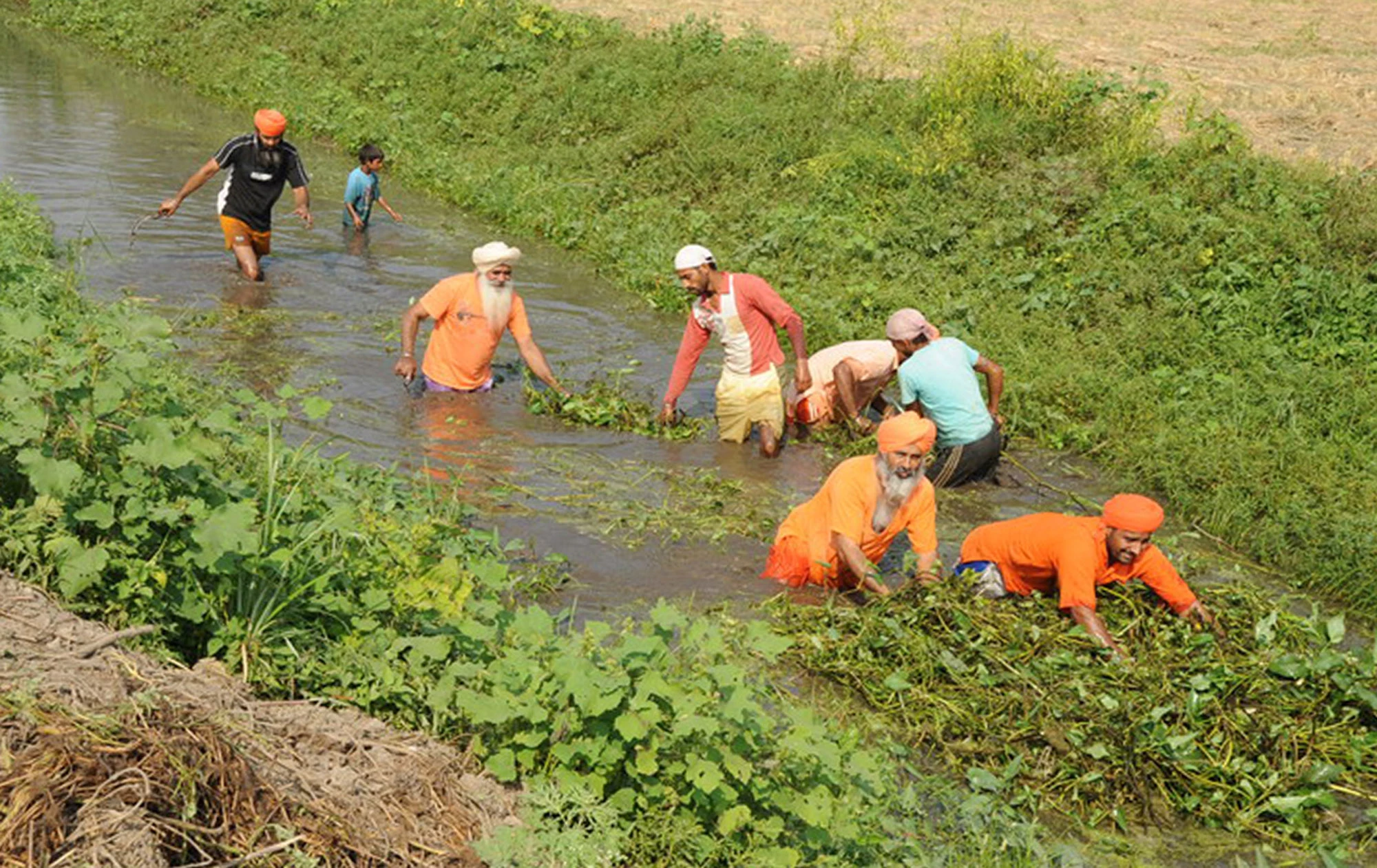
AAP’s Rajya Sabha Member of Parliament Balbir Singh Seechewal played a notable role throughout the year, particularly through his sustained focus on environmental protection and river rejuvenation. His continued advocacy for cleaning the Kali Bein and spreading awareness on water conservation resonated strongly in Sultanpur Lodhi and nearby areas. Seechewal’s initiatives, coupled with public meetings and grassroots engagement, reinforced AAP’s image of blending spiritual leadership with social reform and environmental responsibility.
The district administration, under the leadership of Deputy Commissioner Amit Kumar Panchal and SSP Gaurav Toora worked in close coordination with elected representatives. Panchal’s role in overseeing development projects, managing flood preparedness during the monsoon season, and ensuring coordination between civil departments remained a constant backdrop to political activity. His handling of administrative challenges, including disaster management during heavy rains and monitoring welfare schemes, frequently found mention in political speeches and public discussions.
The Congress party remained a vocal opposition force in the district. Senior Congress leaders and local MLAs including Rana Gurjit Singh and Balwinder Singh Dhaliwal organised meetings and press conferences questioning the pace of development and alleging gaps between government announcements and ground-level implementation. Issues related to municipal governance, employment, farmers’ concerns and rising prices were repeatedly raised. Congress leaders often accused the ruling party of indulging in publicity-driven politics while ignoring long-pending civic problems, particularly in urban local bodies.
The Bharatiya Janata Party (BJP) also stepped up its organisational activities during 2025. BJP leaders including Former Union Ministers Som Parkash and Vijay Sampla focused on strengthening the party’s urban base in Kapurthala and Phagwara, holding outreach programmes and highlighting national-level initiatives related to infrastructure, digital governance and welfare schemes. The party frequently targeted the AAP government over law-and-order issues, economic pressures and municipal inefficiencies, while attempting to position itself as a disciplined alternative with a development-oriented approach.
Shiromani Akali Dal (SAD) drawing on its traditional support base, remained active particularly in rural areas. SAD leaders like Ranjit Singh Khurana raised issues concerning farmers, irrigation, religious institutions and Punjabi identity. Throughout the year, Akali leaders accused both the ruling AAP and previous Congress governments of neglecting agrarian concerns and undermining federal principles.
The Bahujan Samaj Party (BSP), while relatively quieter compared to larger parties, continued to raise issues of social justice, representation and welfare of marginalised communities. BSP leaders like Avtar Singh Karimpuri,Lekh Raj Jamalpuri, Harbhghan Singh Balalon participated in commemorative events and local meetings, emphasising the need for equitable development and warning against the marginalisation of Dalit concerns in mainstream politics.
Municipal politics remained one of the most contentious arenas during the year. Problems related to sanitation, pensions, staff shortages, financial approvals and civic amenities dominated debates in the Phagwara and Kapurthala municipal bodies. Political leaders across party lines often traded blame for stalled projects, delayed payments and administrative bottlenecks, while simultaneously seeking credit for grants and approvals. These exchanges, both on the ground and on social media, kept local politics sharply polarised.
Despite the rivalry, moments of political convergence were also visible. Leaders from different parties shared platforms during national commemorations, religious events and social initiatives, reflecting Kapurthala’s tradition of civic coexistence even amid intense competition. By year-end, Kapurthala’s political landscape remained in constant motion, marked by ambition, criticism, public outreach, and active administrative engagement.