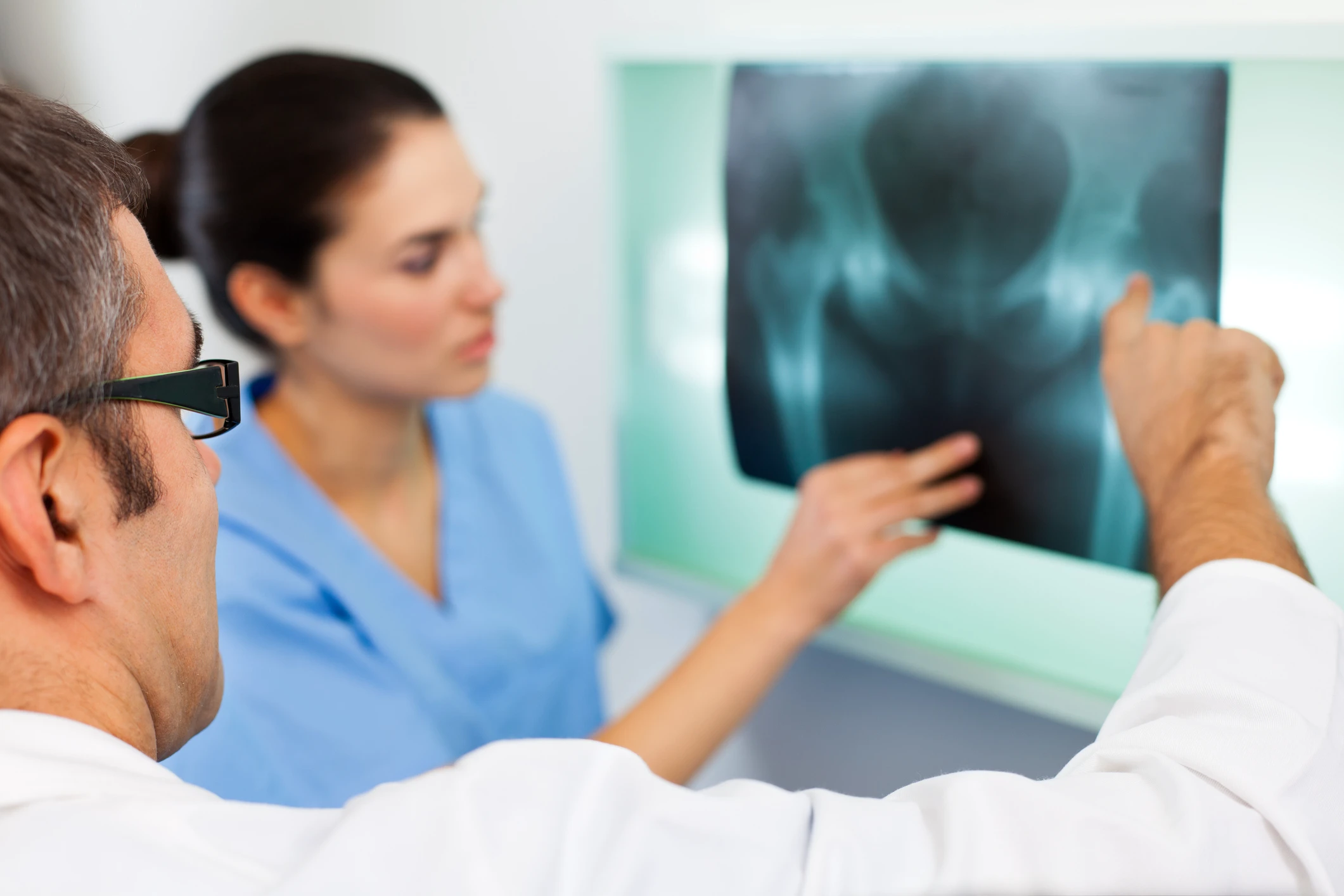
Hip fracture among the elderly is a significant health crisis. Frequently resulting from a simple fall in individuals with weakened bones due to osteoporosis, the mortality rate after such a fracture is striking, according to experts.
This serious injury, a break in the upper part of the thigh bone – femur, near the hip joint, almost always necessitates surgical intervention, followed by extensive physical therapy. According to doctors, one-year mortality rates after a hip fracture range from 14 per cent to 36 per cent.
Dr Abhimanyu Kumar, a consultant orthopaedic at the Sitaram Bhartia Institute of Science and Research (SBISR) said the risk of hip fracture rises with age, with women being particularly susceptible due to accelerated bone loss after menopause.
“Beyond osteoporosis, other risk factors include poor vision, balance problems, osteoarthritis of the knees, muscle weakness (sarcopenia), use of multiple medications, and underlying chronic conditions like Parkinson’s disease or stroke,” he said.
Symptoms include sudden and severe pain in the hip or groin, inability to bear weight on the affected leg, bruising or swelling, and the injured leg appearing shorter or turned outward.
According to Dr Kumar, hip fractures carry a high rate of complications, which can be life-threatening. Prolonged immobility without surgery drastically increases the risk of blood clots, pneumonia, bedsores, and further muscle wasting, he said.
Many elderly patients lose independence, requiring long-term care or assistance with daily living, even though proper rehabilitation can help many regain mobility.
Falls are a major public health concern among older adults and are a leading cause of injury, disability, loss of independence, and mortality, said Dr Aman Sachdeva, head and consultant at the department of physiotherapy at SBISR.
Physiotherapy plays a preventive, restorative, and educational role in reducing falls among older adults.
“Regular strength training, particularly of the lower limbs and core muscles, enhances stability and the ability to recover from balance disturbances. Balance and coordination exercises, such as weight-shifting activities and controlled movements, improve postural control and reduce instability during daily tasks,” Dr Sachdeva said.
Flexibility exercises maintain joint mobility and proper posture, while aerobic activities improve endurance and reduce fatigue-related falls.
In addition to physical benefits, regular exercise increases confidence and reduces fear of falling, encouraging continued participation in daily activities, the doctor said, adding that when appropriately prescribed and performed consistently, exercise programmes play a vital role in maintaining independence and improving the quality of life in older adults.
Dr Vijay Kumar Gurjar, a senior consultant, geriatric medicine, at Shardacare Healthcity Greater in Noida, said hip fractures are detrimental to the quality of life and a major setback not only for the patients but also for the caregivers.
Their confidence to live independently takes a backseat. “It leads to loss of independence and integrity of senior citizens,” the doctor said. It is important that surgical interventions should be done as soon as possible to avoid complications like delirium, infection or aspiration pneumonia, he stressed.
“One should always try to get these surgical procedures done at multi-speciality hospitals under the supervision of geriatric medicine specialists who will take care of these senior citizens holistically, focusing on sarcopenia, frailty and cognitive health,” Dr Gurjar said.
Listing prevention strategies, he said, “Most importantly, we should focus on prevention by reducing the risk of injuries by modifying the home and society environment.” Management of blood sugar and hypertension is of utmost importance as hypoglycaemia or low blood sugar levels are one of the major causes of falls, Dr Gurjar said.