
New Delhi: New Year traditions around the world herald a thrilling countdown to 2026, where global New Year’s Eve customs blend ancient rituals with vibrant festivities. From eating 12 grapes in Spain for monthly good fortune to smashing plates in Denmark for prosperity, these unique New Year celebrations spark curiosity about how cultures bid farewell to the old year. As the New Year 2026 approaches on 31 December, families and friends worldwide embrace diverse New Year’s Eve traditions, promising luck, love, and fresh beginnings through fireworks, symbolic foods, and communal joy.
Imagine incorporating these international New Year customs into your own revelry—perhaps donning white attire like Brazilians or ringing in the year with soba noodles as in Japan. These time-honoured practices not only enrich New Year’s Eve parties but also invite reflection on prosperity and unity for the year ahead.
Most popular New Year traditions to try in 2026
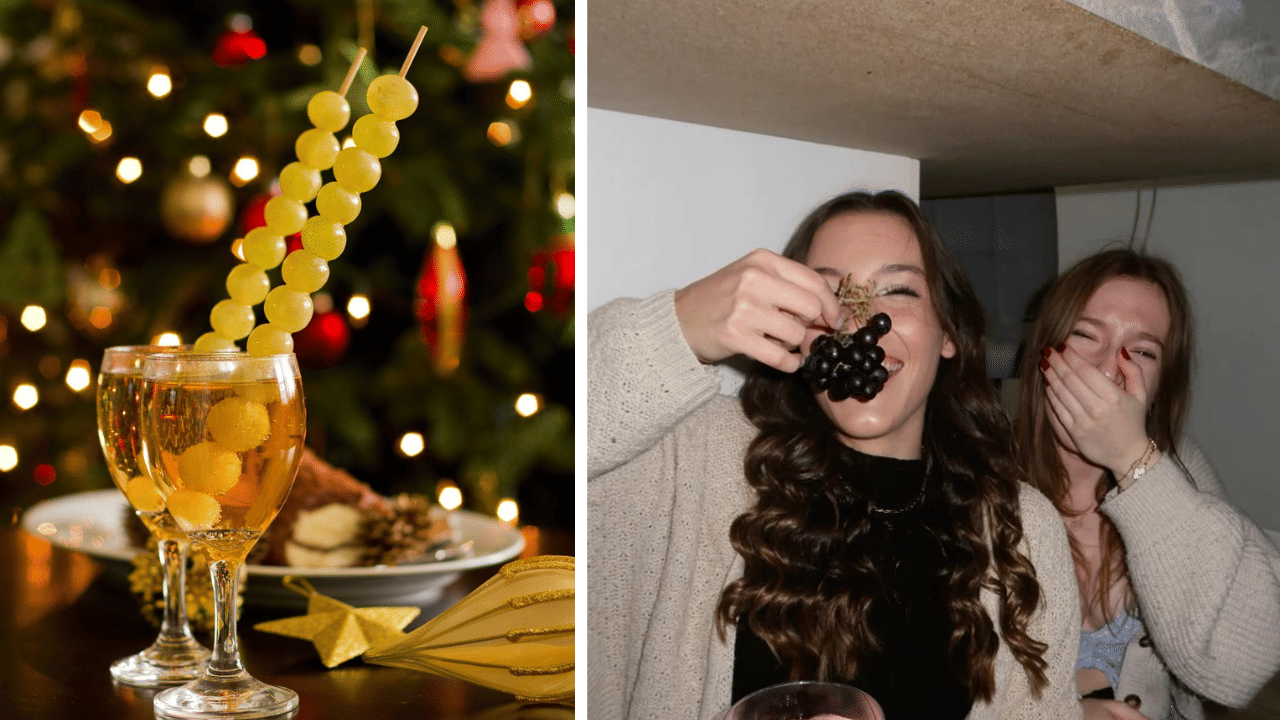
1. Spain’s 12 Grapes ritual
At midnight on New Year’s Eve, Spaniards hurriedly eat one grape per clock chime, totalling 12 for each month of 2026. This fast-paced tradition, rooted in 1909, symbolises good luck and prosperity; revellers often prepare grapes in advance to keep pace with Puerta del Sol bells in Madrid.
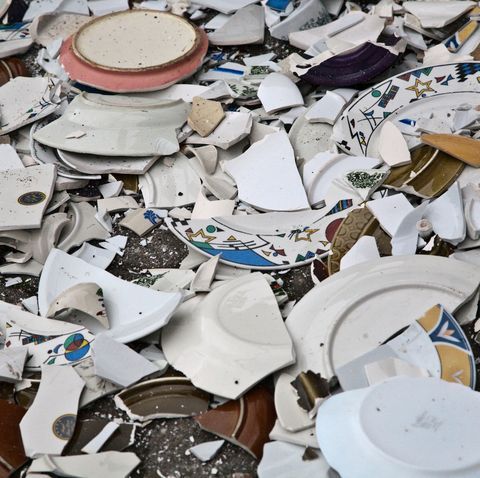
2. Denmark’s plate-smashing custom
Danes smash old crockery on friends’ doorsteps during New Year’s Eve celebrations, believing the largest pile of shards brings the most fortune. This noisy ritual clears past negativity, filling streets with broken pieces as communities embrace chaos for a prosperous 2026.
3. Scotland’s first-footing practice
In Hogmanay festivities, the first person crossing a threshold after midnight—ideally tall, dark-haired—carries coal, whisky, or shortbread for warmth and wealth. This Scottish New Year tradition fosters community bonds, ensuring homes start 2026 with goodwill and abundance.
4. Brazil’s white waves ritual
Millions gather on Copacabana Beach in white garb, symbolising peace, then jump seven ocean waves at midnight to honour sea goddess Iemanjá. Each leap grants a wish, blending Afro-Brazilian roots with fireworks for spiritual cleansing into New Year 2026.
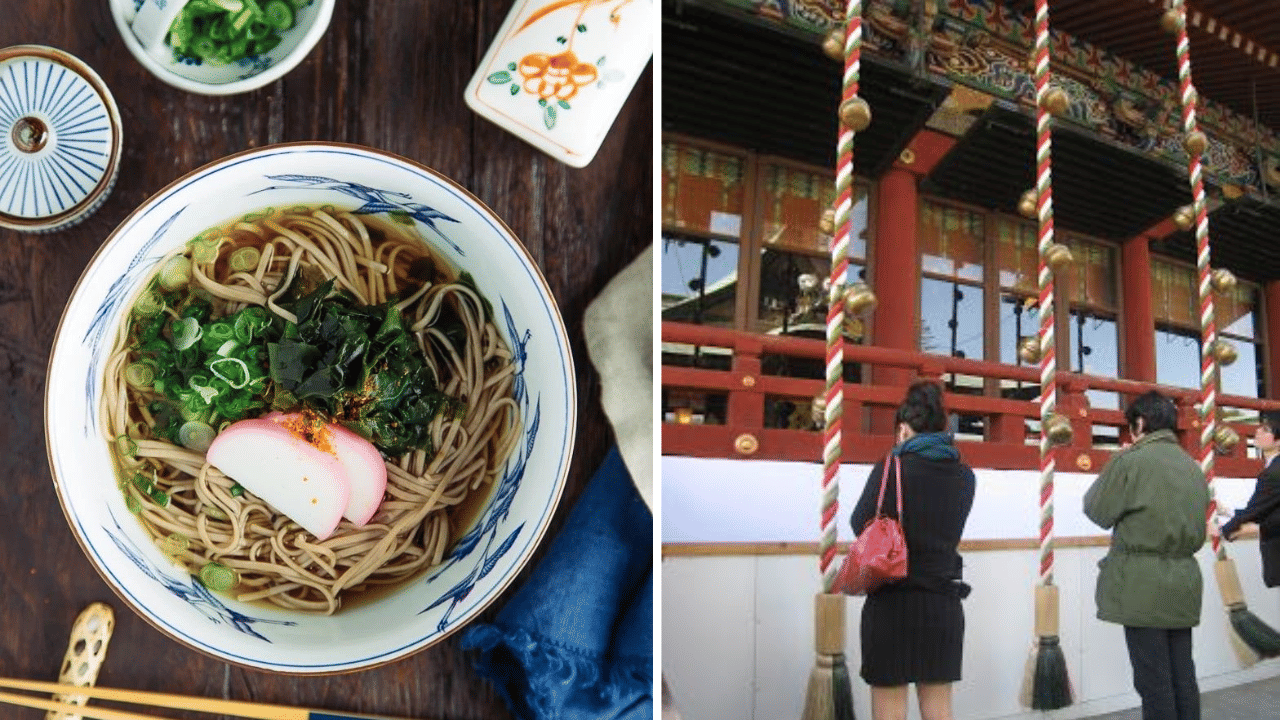
5. Japan’s Toshikoshi Soba and Bells
Families slurp buckwheat soba noodles on New Year’s Eve for longevity, while temples ring bells 108 times to purge desires. This serene Oshogatsu custom ushers in 2026 with reflection, shrine visits, and hopes for resilience and fertility.
6. Philippines’ round objects mania
Filipinos surround themselves with round fruits, coins, and polka-dot attire to attract wealth, as circles mimic prosperity. Noisy fireworks and round foods dominate New Year’s Eve, warding off evil spirits for a coin-filled 2026.
7. Ecuador’s scarecrow burning
Giant effigies stuffed with regrets and old notes ignite at midnight, symbolising banishment of misfortune. Families parade these Años Viejos before torching them, paving the way for renewed hopes and adventures in New Year 2026.
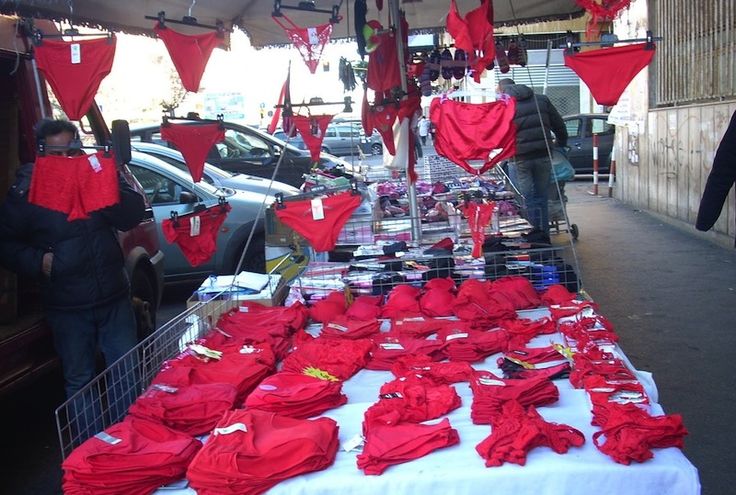
8. Italy’s red underwear luck
Wearing red lingerie beneath festive outfits promises romance and vitality. This playful New Year’s Eve tradition, tied to passion, pairs with lentils for fortune, making Italians’ 2026 celebrations steamy and symbolic.
9. South Africa’s furniture toss
Residents hurl old furniture from windows at midnight to discard the past, embracing minimalism for luck. This bold custom, amid cheers, clears space—literally—for positive energies and fresh starts in 2026.
10. Colombia’s suitcase trot
Suitcase in hand, Colombians circle the block seven times before midnight to summon travel adventures. This whimsical New Year tradition fuels wanderlust, ensuring globetrotting opportunities fill the calendar for 2026.
These vibrant New Year traditions around the world inspire us to blend cultures, creating personalised rituals for a fortunate 2026 ahead.