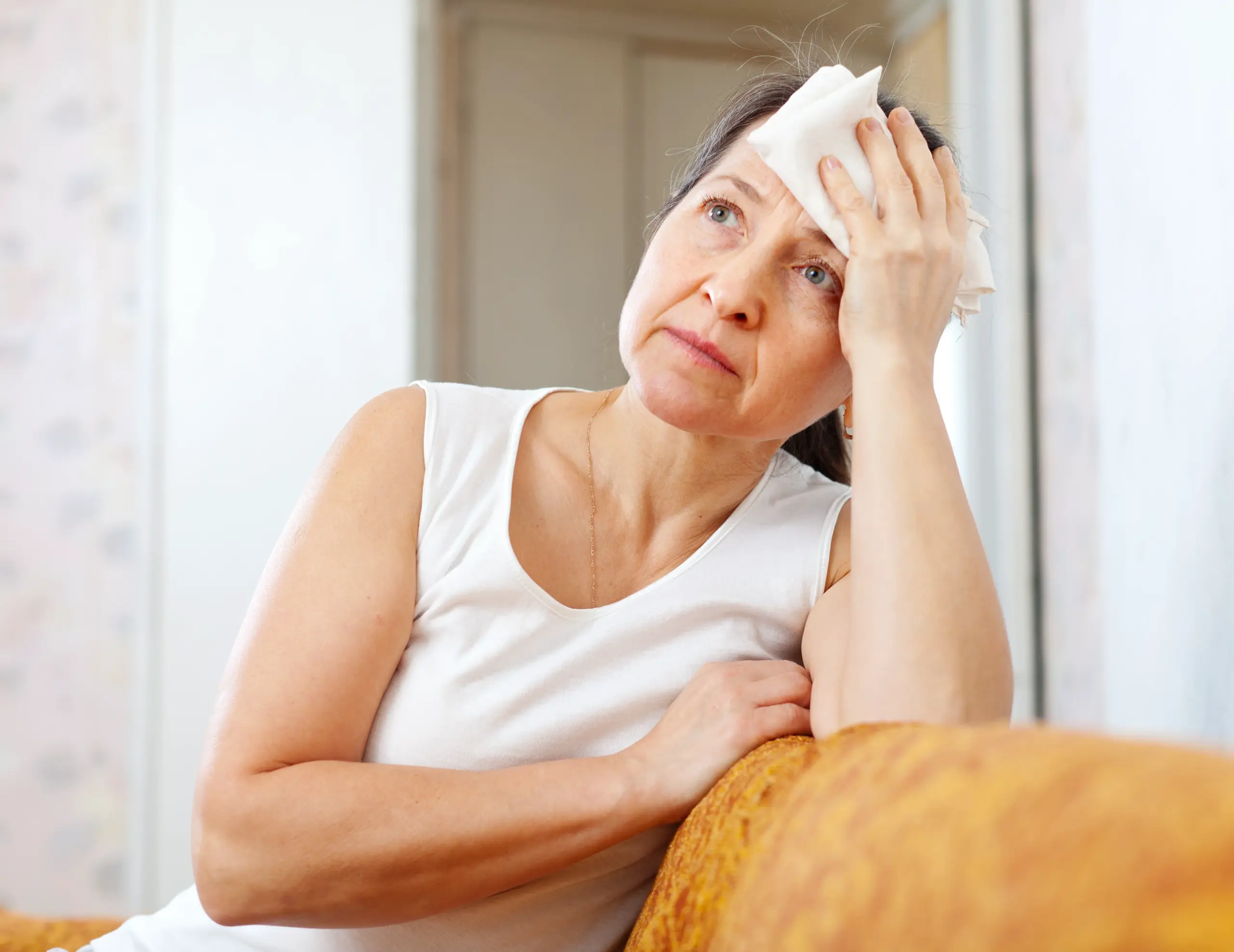
Menopause is often spoken about in bits and pieces. Hot flashes, mood swings, missed periods – that is usually where the conversation stops.
But for many women, the transition is far more layered. Changes in hormones, especially estrogen, quietly affect digestion, nerves, muscles and even the mouth. These symptoms may feel random at first, but they are not. There is a strong biochemical reason behind them.
What often gets overlooked is how much food can help during this phase. Nutrition cannot stop menopause, but it can reduce how intense and uncomfortable the symptoms feel. Small, targeted changes can support the body when hormones start fluctuating.
Nutritionist Lovneet Batra has dropped a post on Instagram to address some lesser-talked-about menopause symptoms. Her focus is simple. Understand the symptom. Then eat in a way that supports the underlying issue. “Menopause symptoms are not random. They’re biochemical,” she explains.
Here is a breakdown of what Lovneet Batra states:
Burning Mouth Syndrome (BMS)
Some women experience a burning or tingling sensation in the mouth during menopause. Lovneet Batra explains that falling estrogen reduces saliva production, which increases nerve sensitivity.
What helps:
- Staying well hydrated through the day
- Adding omega-3 fats like flaxseed, chia seeds, and walnuts to calm nerve inflammation
What to avoid:
- Spicy, acidic, and very hot foods that can irritate oral tissues
Sudden Food Sensitivities And Histamine Reactions
Hormonal shifts can increase histamine release and reduce DAO activity. This can lead to bloating, itching, rashes, or headaches after eating certain foods.
What helps:
- Low-histamine vegetables like cucumber, zucchini, and kale
- Vitamin C-rich foods to support mast cell stability
- Quercetin-rich foods such as onions and apples
What to avoid:
- Aged, fermented, and highly processed foods
Tingling Hands And Feet
Estrogen decline can affect nerve conduction and reduce absorption of key nutrients.
What helps:
- Vitamin B12 for nerve health
- Magnesium to support nerve relaxation and muscles
- Omega-3 fats to reduce nerve inflammation
- Anti-inflammatory spices like turmeric and ginger
Urinary Incontinence
Lower estrogen weakens pelvic tissues and bladder control, which can lead to leaks or urgency.
What helps:
- Adequate protein to support pelvic floor muscles
- High-fibre foods to improve gut health and reduce bladder pressure
- Hydrating earlier in the day to reduce nighttime urgency
What to avoid:
- Excess caffeine, alcohol, fizzy drinks, and spicy foods
Lovneet Batra’s message is reassuring. Menopause does not mean losing control over your body. When symptoms are understood properly, they can be managed with the right nutrition. The goal is not perfection, but better comfort and quality of life.