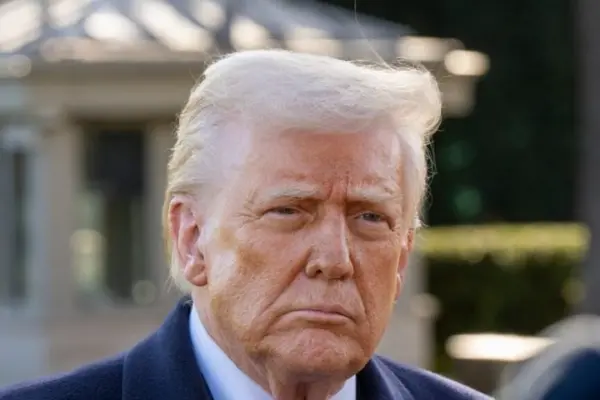
While President Donald Trump has warned the oil companies to reduce gas prices at the pump to reflect the drop in crude oil costs, GasBuddy analyst Patrick De Haan says reducing fuel costs might be more complicated than it seems.
Heat Waves, Attacks On Russian Refineries
In an interview with Yahoo Finance on Tuesday, De Haan hailed Trump’s push to reduce prices, saying that Americans have been grappling with high fuel costs since the war in Iran kicked off.
De Haan said that oil prices were around $70/bbl almost 15 years ago, which resulted in a much lower national average price of gas. However, factors like the gas taxes that have “gone up in virtually every state,” as well as the “heat wave” that has impacted refinery production, were not taken into consideration.
“You can have all the oil in the world, but if you don’t have enough refineries, that’s going to keep prices higher,” De Haan said. He outlined that the movement of refined products out of the Strait of Hormuz was impacted, as well as the “wild card” of Ukraine’s attacks on Russian refineries, which were “keeping refined product prices elevated,” the analyst said.
“The President would love to see this magic ratio return, but that’s probably not gonna happen any time soon,” De Haan said. He also added that gas stations were currently offering more expensive summer blends. “Demand is higher as well,” he said.
Democrats Slam High Prices
Trump’s top economic advisor, Kevin Hassett, said earlier that gas prices would see a drop once regular movement of traffic begins through the Strait of Hormuz. However, Hassett warned that Iran will test Trump’s “resolve,” following the Memorandum of Understanding (MoU) signed between Washington and Tehran.
Sen. Ed Markey (D-Mass.), on the other hand, expressed staunch criticism of Trump, saying that the “reckless war with Iran” had driven up costs for Americans.
Iran Refuses Trump Admin Meet
Meanwhile, officials from Iran rejected direct talks with senior Trump administration officials, U.S. envoy Steve Witkoff and the President’s son-in-law Jared Kushner, instead choosing to communicate through Qatari mediators.
The move comes following the two parties exchanging missile strikes over the weekend, which has cast doubts over a fragile ceasefire agreement.