
AT 47, Meena started experiencing irregular periods, along with mild hot flashes, disturbed sleep and mood changes. Ritu was 36 when she began experiencing extreme fatigue, anxiety, night sweats and skipped periods.
Her doctor dismissed these symptoms as burnout. However, tests confirmed these as indications of an early menopause, linked to her family history. Anjali was only 33 when her periods stopped abruptly. For the next two years, she experienced severe hot flashes, joint pain, vaginal dryness and brain fog. Her case was eventually diagnosed as premature ovarian insufficiency.
Though different in age and severity, all three women reflect a growing reality: Indian women are experiencing menopause earlier than previous generations, often after months, sometimes years, of vague and seemingly unrelated symptoms like irregular menstrual cycle, sleep disturbance, mood swings, weight gain around the abdomen, reduced stress tolerance, headache, forgetfulness and persistent fatigue.
Untimely onset
Earlier, the expected period of menopause was between mid-40s and early 50s. In recent years, however, the average age at which Indian women are now experiencing menopause is 45-46 years, nearly five years earlier than the western average of 51. This change is not merely biological; it has significant physical, emotional and long-term health consequences.
Perimenopause & menopause
Menopause marks the permanent end of menstrual cycles and is diagnosed after 12 consecutive months without a period, when there is no other medical cause. It results from a gradual decline in estrogen and progesterone production by the ovaries and typically occurs between 45 and 55 years.
Most women experience perimenopause before menopause, a transition phase that can begin four to eight years earlier. During perimenopause, hormone levels fluctuate unpredictably. Women may continue menstruating but experience irregular cycles, hot flashes, night sweats, sleep disturbances, mood changes, fatigue, weight gain, and cognitive fog. Because these symptoms appear gradually and inconsistently, these are often mistaken for stress, overwork or ageing rather than being recognised as hormonal changes.
Family history
One of the most underestimated predictors of menopausal timing is the family or genetic history. The age at which a woman’s mother entered menopause strongly impacts her own menopausal timeline. Women with a maternal history of early menopause have a higher likelihood of experiencing it themselves. Awareness enables earlier monitoring, informed fertility planning, and timely preventive care.
Reasons for early menopause
Early menopause is rarely due to a single factor. Sedentary lifestyles reduce metabolic efficiency and increase inflammation, while poor nutritional choices, especially diets low in protein, calcium, vitamin D, healthy fats and antioxidants, weaken hormonal resilience. Repeated crash or fad diets and prolonged calorie restriction can also stress the body and suppress reproductive hormones.
Chronic stress also plays a central role. Many women manage demanding careers, caregiving responsibilities and household duties with minimal recovery time. Persistently high cortisol levels interfere with estrogen and progesterone production, accelerating ovarian ageing.
Environmental exposure adds another layer of risk. Air pollution, pesticides, plastics, heavy metals and other endocrine-disrupting chemicals can damage ovarian follicles and disrupt estrogen signalling. Smoking, including passive exposure, is a well-established contributor.
Medical issues such as thyroid disorders, autoimmune diseases, endometriosis, repeated ovarian surgeries, chemotherapy or radiation can also hasten ovarian decline.
Implications of early onset
When menopause occurs early, women spend more years in a low-estrogen state. Estrogen plays a protective role in bone health, cardiovascular function, and metabolic balance. Its early loss increases the risk of osteopenia, osteoporosis, fractures, heart disease, insulin resistance and type 2 diabetes.
Cognitive and emotional health may also be affected. Some women experience anxiety, low mood, memory lapses and reduced concentration. Urogenital symptoms such as vaginal dryness, recurrent urinary infections and discomfort during intercourse can persist, and worsen if left untreated.
Managing symptoms
On an average, menopausal symptoms can continue for two to five years. However, these can last for eight to 10 years or even longer in many cases. Severity of symptoms depends on genetics, lifestyle, mental health and the pace of hormonal decline.
Hormone Replacement Therapy (HRT) remains one of the most effective options for moderate to severe symptoms, particularly in early or premature menopause. However, HRT could be risky for women with a genetic history of breast and endometrial cancers, blood clots, stroke, heart disease and gallbladder disease.
In such cases or those who prefer not to use hormones, lifestyle changes like maintaining a healthy weight, regular exercise, a nutritious diet that includes phytoestrogen-containing foods (e.g. soy) and avoids triggers like spicy foods, caffeine, alcohol and hot drinks can help manage symptoms. Mind-body techniques like deep breathing, yoga, etc, some non-hormonal medications and supplements, over-the-counter remedies like lubricants, including low-dose vaginal estrogen are also helpful. Avoiding or quitting smoking and practising sleep hygiene can also help manage menopausal symptoms.
Early recognition of symptoms, awareness of family history and personalised medical care can transform this transition into a healthier and a manageable phase of life.
– The writer is associate director, Department of Obstetrics & Gynaecology, Cloudnine Group of Hospitals, Chandigarh
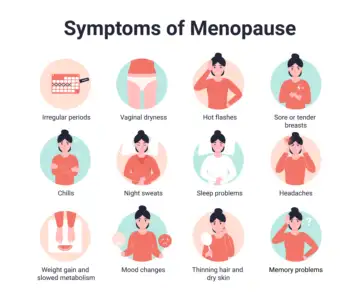 COMMON SYMPTOMSMenstrual changes
– Irregular periods (early, delayed, or skipped cycles)
– Heavier or lighter bleeding
– Complete stoppage of periods
– Hot flashes & heavy sweating
– Night sweats
Other Changes
– Poor sleep quality
– Persistent fatigue & low energy
– Mood swings, irritability, anxiety
– Difficulty in concentrating /brain fog
Physical Changes
– Weight gain, especially around the abdomen
– Joint and muscle aches
– Frequent headaches
– Vaginal dryness or burning
– Pain during intercourse
– Frequent urination or urgency
– Recurrent urinary infections
– Dry skin
– Hair thinning
– Reduced libido
Important note: Symptoms vary widely – some women have very mild changes, whileothers experience severe symptoms that significantly affect daily life.
Factcheck: Indian studies show menopause often occurs younger (around 46) than in the West, with higher rates of premature menopause (before 40), especially in rural areas, linked to lower education, poverty, lifestyle factors (diet, pollution, smoking), and higher surgical menopause rates due to factors like sterilisation. Key findings highlight significant rural-urban divides, links between education/socioeconomic status and onset, common emotional/physical symptoms (depression, joint pain, headaches), and a lack of awareness about treatments like HRT, despite its prevalence.