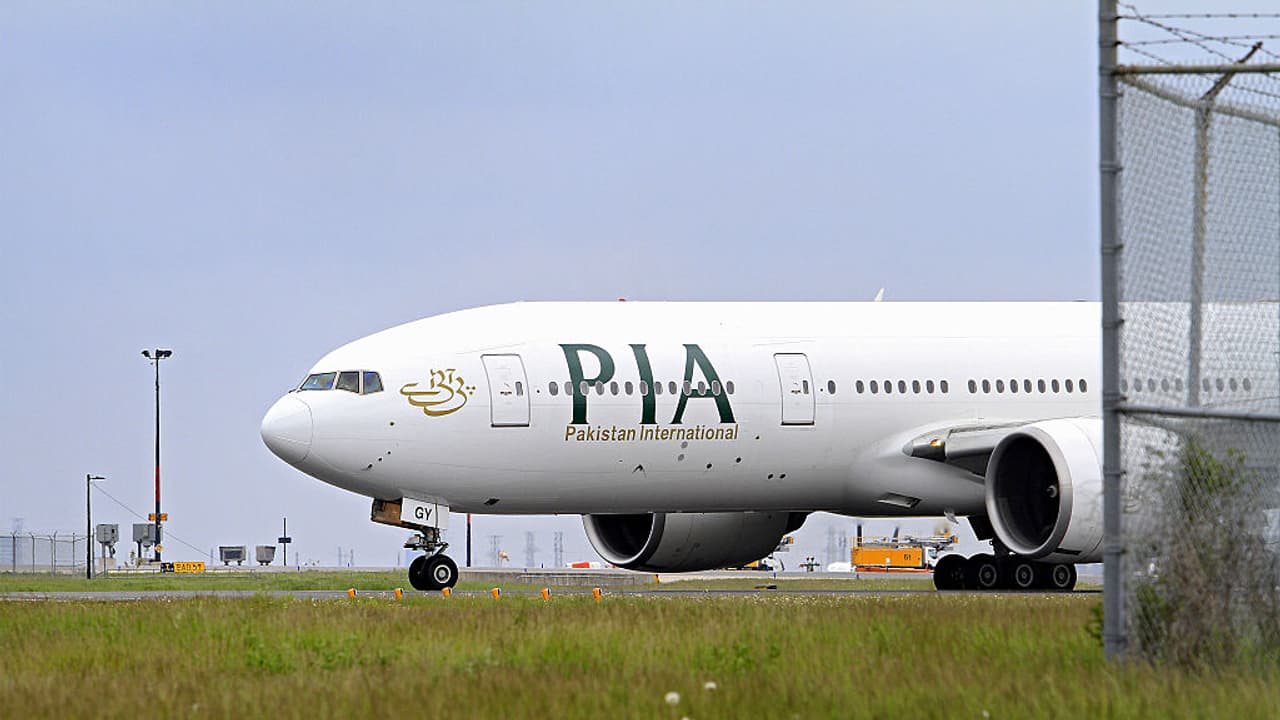
After years of losses and mismanagement, Pakistan finally sells PIA for PKR 135 billion. A “transparent” auction, taxpayer bailouts, and a forced sale expose the true cost of failure.
After decades of political interference, chronic losses and public money burn, Pakistan on Tuesday pushed through the long-delayed privatisation of its national carrier, Pakistan International Airlines (PIA), selling the loss-making airline for PKR 135 billion. The deal, touted by the government as “historic”, also shed light on how badly mismanaged national assets have become in the country.
A Heavily Scripted “Transparent” Sale
The privatisation ceremony, held in Islamabad and broadcast live on local television, was designed to project transparency — a word Pakistani authorities repeatedly leaned on. All three pre-qualified bidders — Lucky Cement, private airline Airblue and investment firm Arif Habib — deposited sealed bids into a transparent box, an image clearly meant to reassure a sceptical public.
When the envelopes were opened, Arif Habib emerged as the highest bidder with an initial offer of PKR 115 billion, followed by Lucky Cement at PRK 105.5 billion. Airblue’s PKR 26.5 billion bid barely entered the contest.
Only after opening the bids did the government reveal the “reference price” of PRK 100 billion — a move that raised eyebrows even among observers familiar with Pakistan’s privatisation playbook.
A Last-Minute Bidding War
Under the auction rules, the two highest bidders were allowed to compete further. What followed was a brief but aggressive bidding war between Arif Habib and Lucky Cement, with offers raised step by step.
Eventually, Arif Habib Group pushed the price to PKR 135 billion — a figure Lucky Cement chose not to match.
“We congratulate Arif Habib group,” a member of the Lucky Cement team said while yielding to the massive final offer.
The government had originally put 75 per cent of PIA’s shares on the block. The winning bidder will have 90 days to buy the remaining 25 per cent, effectively handing over full control of Pakistan’s national carrier to private hands.
Billions Lost, Taxpayers Still Pay
While Islamabad celebrates the sale price, the deeper story is far less flattering. Before the auction, the government quietly absorbed PIA’s staggering liabilities — PKR 654 billion — last year, ensuring the airline was “cleaned up” for buyers.
Under the deal, 92.5 per cent of proceeds from the initial 75 per cent sale will go back into PIA for reinvestment. Only 7.5 per cent will reach government coffers, raising questions about how much relief the exchequer actually gains after years of bailouts.
The investor will also be required to inject PKR 80 billion over the next five years — a tacit admission of how badly the airline’s fleet, operations and finances have deteriorated under state control.
Second Attempt, Same Story
This was Pakistan’s second attempt to offload PIA. A previous effort last year collapsed after the government failed to attract what it considered an acceptable price. This time, urgency — driven by IMF pressure and a collapsing economy — left Islamabad with little room to manoeuvre.
Prime Minister Shehbaz Sharif thanked officials and the Privatisation Commission, insisting the process was “transparent” and calling it the “largest transaction” in Pakistan’s history. The emphasis on optics reflected the government’s need to sell the sale — politically, not just financially.