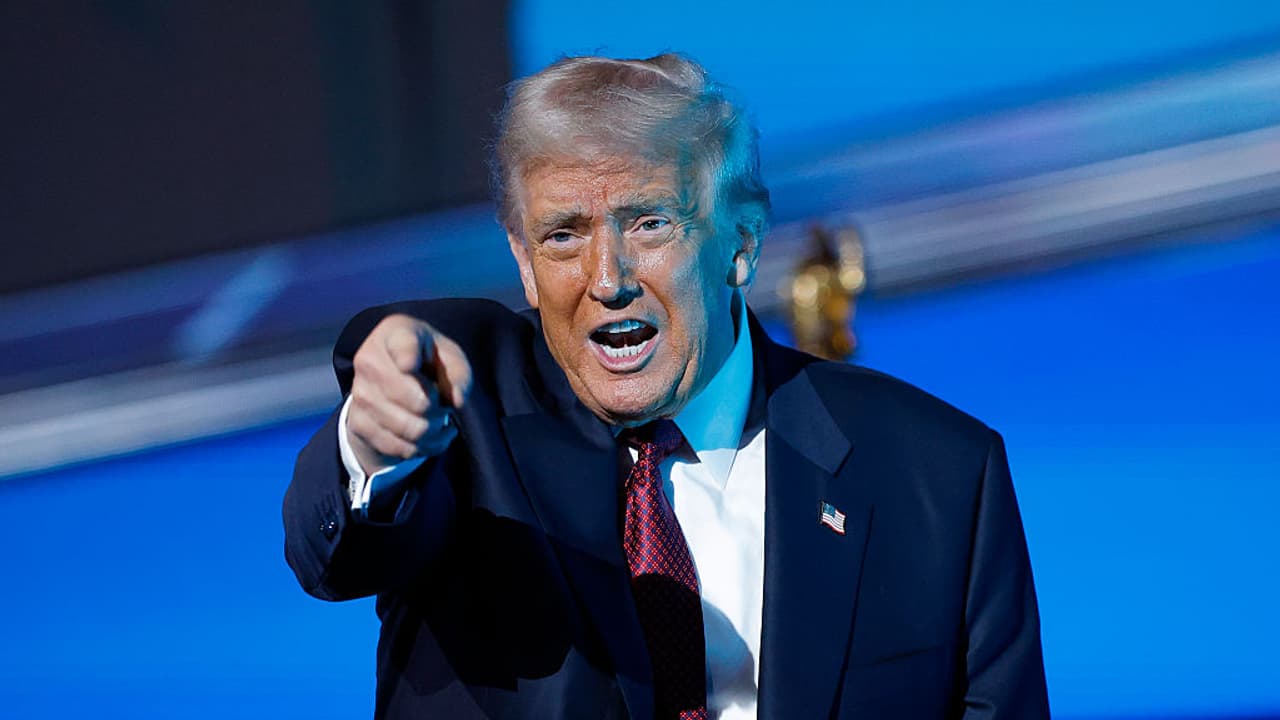
Trump’s envoy appointment to Greenland sparks Danish anger and EU solidarity, teasing whether his annexation dream edges closer.
Donald Trump has reignited tensions with Denmark by appointing Louisiana Governor Jeff Landry as special envoy to Greenland, the Arctic territory he has repeatedly expressed interest in annexing. The move has triggered sharp criticism from Copenhagen and Greenland’s leadership, who insist the island’s future must be determined by its own people.
Responding to questions about the appointment, Trump said the United States needed Greenland for “national protection” and declared “we have to have it.” He added that Landry would “lead the charge” in advancing American interests in the semi‑autonomous territory, which remains part of the Kingdom of Denmark.
Denmark’s government reacted angrily, summoning the US ambassador for an explanation. Foreign Minister Lars Lokke Rasmussen described the appointment as “deeply upsetting” and warned Washington against undermining Danish sovereignty. Greenland’s Prime Minister Jens‑Frederik Nielsen echoed those concerns, stressing that “territorial integrity must be respected” and asserting that “Greenland belongs to Greenlanders.”
Landry, meanwhile, celebrated the role on social media, calling it an honour to serve in a “volunteer position to make Greenland a part of the US.” A military veteran and former congressman, Landry insisted his new responsibilities would not interfere with his duties as governor.
Trump has revived his long‑standing interest in Greenland since returning to the White House in January, citing its strategic location and mineral wealth. He has refused to rule out using force to secure control, a stance that has shocked Denmark, a NATO ally. Trump specifically pointed to Chinese and Russian naval activity in nearby waters as justification for Greenland’s importance to US national security.
Greenland’s Political Status and Independence Sentiment
Greenland, with a population of about 57,000, has enjoyed extensive self‑government since 1979, though defence and foreign policy remain under Danish control. While many Greenlanders favour eventual independence from Denmark, opinion polls show overwhelming opposition to joining the United States.
EU Commission President Ursula von der Leyen voiced support for Denmark, posting that the bloc stood in “full solidarity with Denmark and the people of Greenland.” The dispute showcases the broader geopolitical competition in the Arctic, where melting ice is opening new shipping routes and access to valuable resources.
Trump’s determination to pursue Greenland echoes his earlier attempt to purchase the island in 2019, a proposal rejected by both Denmark and Greenland’s government with the blunt response: “Greenland is not for sale.” His latest move signals that the ambition remains undimmed.
The United States has maintained a military presence in Greenland since World War Two, when it established bases after Nazi Germany occupied Denmark. The US reopened its consulate in Nuuk in 2020 during Trump’s first term, reinforcing its strategic interest in the territory. Vice‑President JD Vance visited Greenland earlier this year, urging locals to “cut a deal with the US.”
Envoys are informal appointments and do not require host country approval, but the symbolism of Landry’s role has heightened concerns.