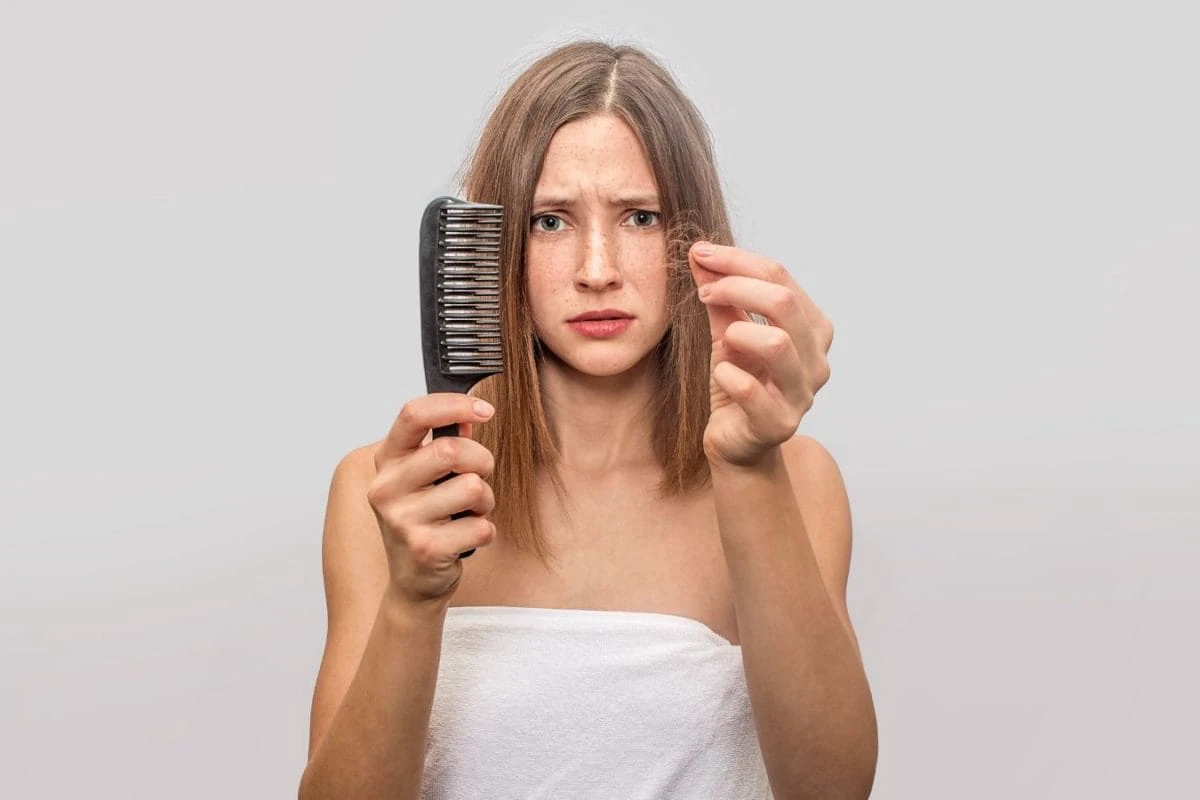
Exosome therapy has grown popular for its role in beauty and health this year. It’s everywhere-pitched as a high-tech, science-backed alternative to the usual anti-ageing creams and hair-growth treatments.
Exosomes are tiny bubbles packed with proteins, growth factors, and signalling molecules. Think of them as the body’s own little messengers, passing important notes between cells. Clinics from Seoul to Mumbai are offering treatments claiming these messengers wake up your skin and hair, helping them heal and regenerate.
What Is Exosome Therapy?
Exosome therapy has rapidly emerged as one of the most talked-about developments in regenerative medicine and cosmetics. Exosomes are small biological messengers-microscopic vesicles holding proteins, growth factors, and signalling molecules-that aid in cell communication and self-healing, compared to topical skincare treatments or supplements.
The therapy is appealing for both anti-ageing and hair-restoration objectives since its cellular “text-messaging” technology uses the body’s own processes for regeneration and renewal.
Exosomes are often injected or micro-needled into the skin or scalp at cosmetic clinics, boosting collagen and elastin for better skin quality and perhaps rejuvenating hair follicles to promote growth.
Anti-Ageing Claims: What Science Says
Plenty of clinics and experts claim exosome therapy can smooth wrinkles, firm up your skin, improve texture, and even help fade scars and pigmentation. The buzz centres on how exosomes stimulate collagen and elastin-those crucial building blocks of youthful skin.
Experts outside the marketing community advise caution. Exosomes have potential for cellular communication and repair, but the beauty industry’s excitement has eclipsed reliable evidence, according to scientists.
Regulatory and scientific bodies have expressed concern about the lack of standardised manufacturing, clear dosage guidelines, and long-term safety data in cosmetic use.
Hair Thinning and Regrowth: Potential and Limitations
The use of exosome therapy in hair regeneration has sparked significant attention, particularly in cases of early to moderate thinning when follicle structures are still present.
According to clinical studies, exosome therapies can increase hair thickness and density, especially in cases of androgenetic alopecia. They usually demonstrate benefits over a period of weeks to months, and maintenance is advised.
An exosome-rich formulation significantly increased hair growth when compared to a placebo, according to one randomised controlled trial. Participants reported both quantifiable increases in hair count and subjective satisfaction.
However, it is not a miracle treatment. Exosome therapy is less likely to be effective in severe baldness with substantial scarring or in places that are entirely bald and lack follicles. Anecdotal forums and client feedback also show a broad range of experiences; some people claim significant regrowth, while others observe little difference even after several sessions.
Safety, Costs, and Expert Guidance
Exosome therapy typically appears safe when administered by trained specialists in clean clinical conditions. The most frequent adverse effects are temporary redness or pain. However, uncontrolled and substandard products-particularly those made from human cells-pose potential risks and have even been outlawed in some areas
Additionally, costs are typically high, and several sessions are often required to achieve the best outcomes.
Bottom line: Exosome therapy is cutting-edge and has real science behind it, but it’s no miracle fix for aging or thinning hair. The field’s still new, and researchers have a lot more work to do before we really know what works, what’s safe, and what’s just hype.